
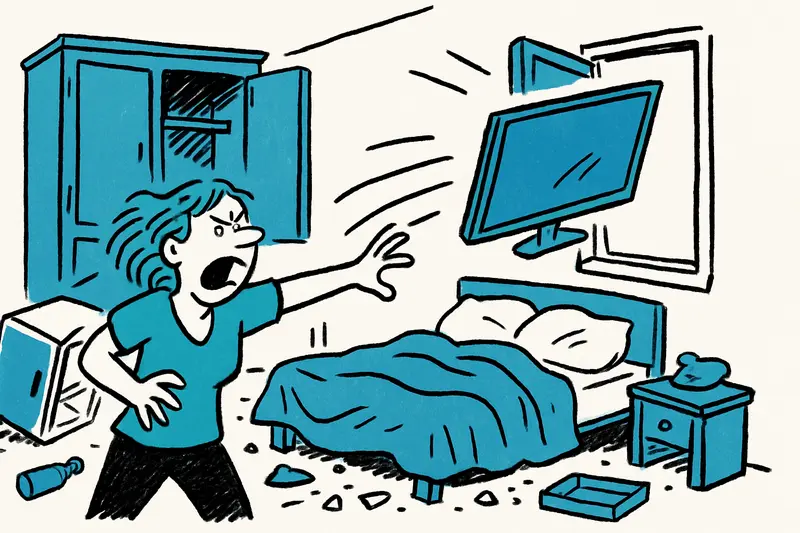
In Magaluf a tourist apparently went berserk: a hotel room wrecked, the television thrown out the window — police intervene. A look at causes, costs and possible countermeasures.
Riot in Magaluf: TV out the Window, Room Like After a Storm — What Now?
In the cool morning silence of an October day, on the usually rather empty Avenida de Magaluf, there was no peaceful tidying up — but the crash and clatter of a ransacked hotel room. At around 03:30 the staff alerted the Guardia Civil: wardrobe doors had been torn off, a refrigerator overturned, broken items and cables lay on the carpet. And the television? Missing — parts on the terrace of the room below indicated that someone had thrown the device out of the window.
The facts, briefly
The emergency teams from Calvià found a 29-year-old woman in the room, described in the report as very agitated and initially uncooperative. During the arrest there was said to have been resistance; the woman was later taken into custody on charges of criminal damage and resisting officers. Luckily, no one on the terrace below was injured. But the images remain: a wrecked room, a traumatised employee, and a hotel now weighing up costs and potential damage to its reputation.
The often overlooked bill
When a television is broken, furniture destroyed and carpets soiled, hoteliers quickly talk of "several thousand euros." Replacements, tradespeople's hours, cleaning and potential lost bookings add up. What is rarely discussed in public is the extra workload for staff, possible psychological strain and the bureaucratic hurdle with insurers. Some policies cover vandalism by guests, others do not — and often a substantial deductible remains.
The immediate consequences affect more than just material damage. Staff later report sleepless nights after such incidents, the sound of the TV hitting the ground lingering in their minds. Nearby restaurants or other guests experience unrest and unease — it has become commonplace for many operators to take a tougher stance after such events.
Why does this happen in Magaluf?
Magaluf has a reputation as a party destination. That attracts a specific tourist clientele: young, eager to celebrate, often with little local knowledge and sometimes excessive alcohol or drug consumption. But that does not explain everything. Causes also include precarious working hours in the night economy, intoxicated groups, lack of clear rules in holiday accommodations and, occasionally, the expectation that "everything is allowed on holiday."
Little discussed is the role of hotel bookings via platforms: short-term guests are more often involved in parties; additionally, reliable communication between intermediaries, hotels and local police can be lacking, especially at night.
What really helps? Concrete proposals
There are concrete solutions. In the short term, hotels can increase deposits or pre-authorisations on credit cards. CCTV in corridors and on balconies (installed in a legally compliant way) deters and provides evidence. Staff should receive de-escalation training — often a calm voice is enough to defuse situations.
At the municipal level, better coordination is needed: hotels, bars and police should create joint night plans with clear contacts. More proactive tourist information, such as behavior guidelines and notice of potential costs for damages included in booking confirmations, can prevent some escalations. And yes: stricter controls on the amount served in bars or limiting bottle promotions on certain streets would reduce excessive alcohol consumption.
Finding the balance
Magaluf depends on tourism. Loud nights are part of the business model — but not every night has to become dangerous. The challenge for Calvià, hoteliers and local businesses is to find the balance: safe nights for guests and staff, clear rules, reliable sanctions for violations and preventive measures that do not ban everything but limit damage.
Some quick measures could include mandatory security briefings for night staff, simple reporting chains for escalations, binding deposit rules at booking and closer cooperation with short-term rental providers, who often cause similar problems.
A local perspective
Walking along the Avenida de Magaluf early in the morning, you hear the clatter of bins, the rumble of a delivery van and now and then the distant laughter of a group on their way home. The Guardia Civil is present, more often than some tourists realise. Still the question remains: do we want the party with unregulated risks — or do we create clear rules that ensure a middle ground?
Conclusion: Isolated riots are rare, but their impact is large. Beyond punishment and compensation, preventive solutions are needed — for people's safety and for the future of a lively but responsible Magaluf.
Similar News
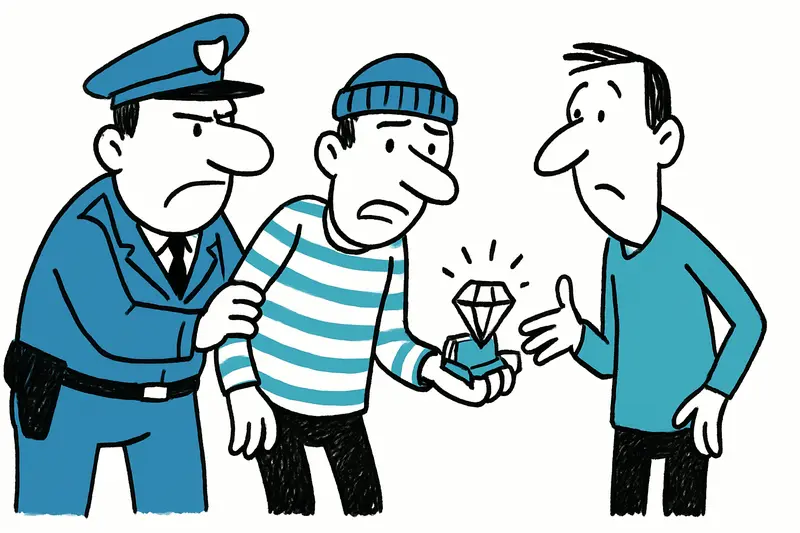
Arrest after Jewelry Heist in Palma: Questions Remain
A 38-year-old man was apprehended in Barcelona. The theft on the Paseo del Born targeted a shipment of Bulgari jewelry w...
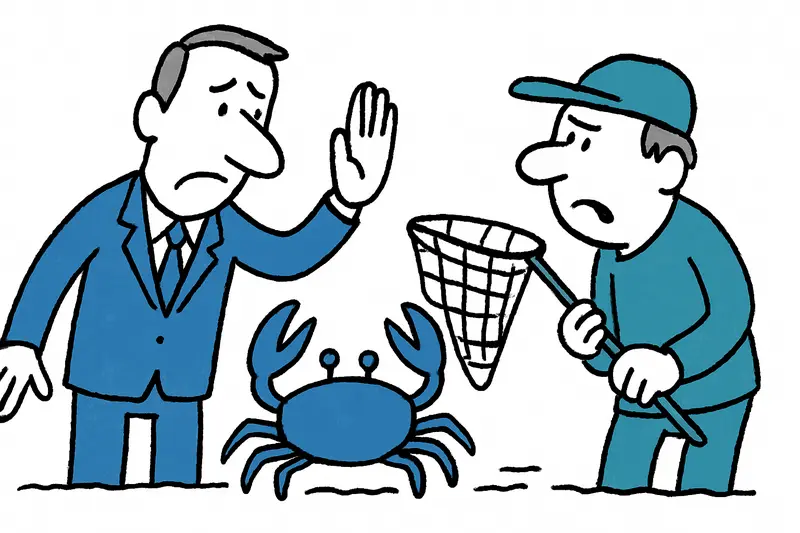
Island council wants to contain the blue crab — is the new package of measures enough?
The Consell will now allow the catching of the invasive blue crab in almost all waters of Mallorca and deploy more fishi...

Ja Era Hora: Gastrofest fills Binissalem parking lot with flavors and music
Instead of a classic Christmas market: In Binissalem the municipality celebrates a gastrofest with local cuisine, dance ...

Nadal's Gift to Juan Carlos: A Photo That Connects Majorca
In his memoir 'Reconciliation', former King Juan Carlos shows a personal gift from Rafa Nadal: a wedding photo with a de...
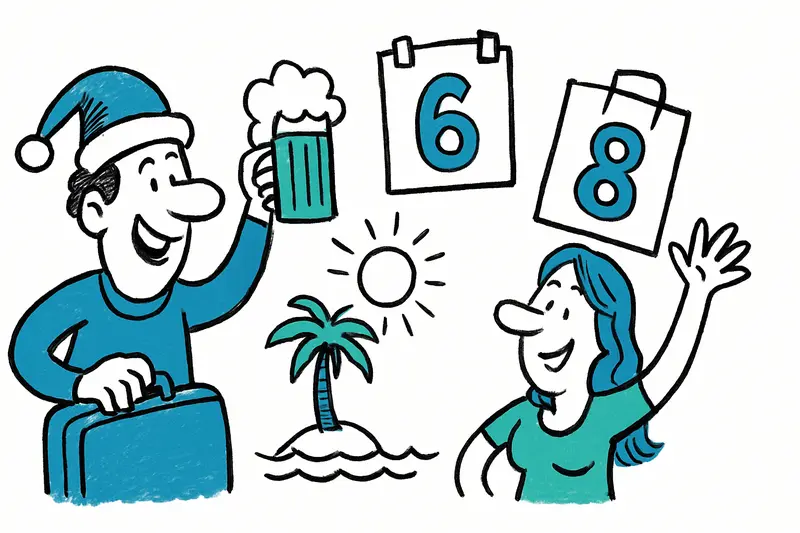
Two holidays, a long weekend: How Mallorca celebrates on December 6 and 8
Mallorca gets a long weekend: December 6 is Constitution Day and December 8 is the Feast of the Immaculate Conception. W...
More to explore
Discover more interesting content

Experience Mallorca's Best Beaches and Coves with SUP and Snorkeling

Spanish Cooking Workshop in Mallorca
