
Palma de Mallorca
Diana Huete of Bondian Living – The Practical Designer in Palma's Old Town
A personal look at Bondian Living: showroom, style and an ambitious old town project by Diana Huete in Palma.
Share:
MM
Mallorca Magic
Guides
December 28, 2025
5 min reading time
0 views
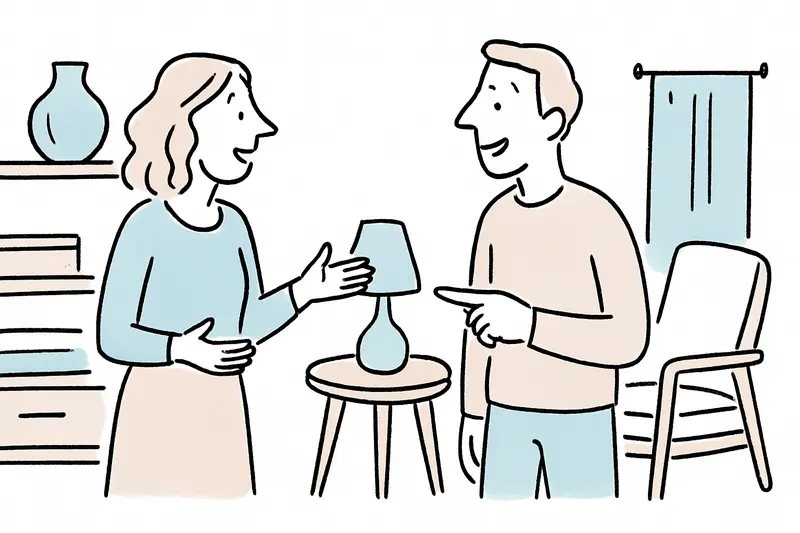
I meet Diana Huete in her showroom in the heart of Palma, and everything instantly feels familiar: warm wood tones, linen fabrics, and a relaxed professionalism that comes with years of practice. Since opening her store in 2013, Bondian Living has become a destination for people who like a clear, Mediterranean style with a cosmopolitan touch. Diana commutes regularly to Madrid and brings influences from there and from her travels — furniture, textiles and details you don't find everywhere. Her approach is pragmatic: solid materials, good light and a mix of old finds and new pieces that work together. In this piece I describe where the showroom is, how Diana works, what kind of clients come to her and why an elaborate townhouse renovation in Palma's Casco Antiguo is her current focus. It's less about grand design theories and more about craft decisions, specific materials and the small restoration pitfalls that ultimately give a house its personality.
Bondian Living – Showroom in Palma's Old Town
The Bondian Living showroom is located at Calle Can Verí 5, right in the winding Casco Antiguo of Palma — a small part of the old town best explored on foot. Stepping into the shop, you immediately realize this is not a sterile display space but living with character. Across about 400 m², Diana shows furniture, lamps, fabrics and accessories that she selects herself or acquires on her travels. There are corners with heavy wood pieces, tables with worn edges, shelves with ceramics and collectables. Colors at Bondian are generally restrained; the foundation is light, neutral tones, complemented by selective color accents and natural textures like linen, wool and aged metal.
Practical notes for a visit: the showroom is cosy, so allow time — half an hour is hardly enough if you are interested in fabrics and furniture. The team speaks Spanish, English and German; consultations can be arranged by phone, and in summer it is advisable to come in the morning when the light streams through the old windows. If you plan to take larger pieces, ask about storage or delivery options; Bondian often organizes transport across Europe. For locals, the showroom is a good address to find special pieces; for planners and architects it is a place to inspect materials and collect samples. A coffee nearby completes the visit — Palma has plenty of small cafés where you can let what you saw settle.
Diana's style: Mediterranean meets cosmopolitan
The Bondian Living showroom at Calle Can Verí 5 sits in Palma's winding Casco Antiguo — a small quarter best explored on foot. Entering the shop you notice right away: it is not about sterile showrooms but living with character. Across roughly 400 m², Diana displays furniture, lighting, fabrics and accessories she selects herself or acquires while traveling. There are corners with heavy wooden pieces, tables with worn edges, shelves with ceramics and collectibles. Colors are generally restrained at Bondian; the base consists of light, neutral tones, joined by deliberate color accents and natural textures like linen, wool and aged metal.
Practical visiting tips: the showroom is intimate, so bring time — half an hour is barely enough if you're interested in fabrics and furniture. The team speaks Spanish, English and German; consultancies can be arranged by phone, and in summer it's best to come in the morning when light pours through the old windows. If you plan to take larger items, inquire about storage or delivery services; Bondian often arranges transports across Europe. For locals the showroom is a great place to find special pieces; for designers and architects it’s a meeting point to check materials and take samples. A nearby coffee shop rounds off the visit.
Typical clients and Diana's working method
At Bondian Living there is no single 'typical' client — and that says a lot about the variety of the work. In Palma many clients are international: couples, families, seasonal residents, but also developers who seek authenticity in new homes. At the same time the team runs an office in Madrid, so larger renovations and projects can be managed across regions. Diana frequently commutes and thus combines local knowledge with urban influences.
The working method is hands-on: an initial on-site conversation, followed by moodboards, material samples and a clear schedule. Coordination with local craftsmen is crucial — carpenters, stonemasons, tilers — because restorations require precision. Bondian works with suppliers in Europe and beyond; for special pieces the team organizes procurement and transport. Communication is a priority: regular site meetings, digital updates and sample discussions ensure the project stays on track.
For clients who are not local, the team offers tiered service packages: from pure design advice to full project management. Budget transparency and realistic timelines are part of the offer. Diana always emphasizes that good design needs time and respect for craft — a simple renovation can quickly become complex when historical fabric must be preserved. That makes her projects labour-intensive but also especially rewarding.
A current project: Townhouse in Palma's Casco Antiguo
The project that currently excites Diana most is the complete renovation of a townhouse in the Casco Antiguo for international clients. The task: preserve the house's original atmosphere — wooden beams over 200 years old, stone foundations and historic details — while introducing contemporary comfort. The team secured, restored and reinserted old doors and beams at striking points. They added custom stone sinks, decorative marble columns and handcrafted hydraulic tiles in the kitchen used deliberately as a focal point.
The challenge was to harmoniously combine traditional and new materials. Furniture from different eras and countries was arranged so the pieces could 'speak' with each other: a simple sofa in front of a wall with aged plaster texture, a handmade dining table beside restored built-in cabinets. All fittings were planned down to the last detail — from interior shutters to custom door frames. Work on the house took several months; many decisions were made during joint inspections with the owners, often accompanied by late calls because of time differences.
In the end there is a house that shows its history without turning into a museum: livable, full of light and with many small, carefully placed surprises. For Diana the recipe for success in such projects is the combination of respect for what exists, the courage to try unusual combinations and a sharp eye for craft quality.
Categories
Interior Design
MM
About Mallorca Magic
Expert guide to Mallorca's most beautiful places, experiences and hidden gems.
Book a rental car
Book your flight
Share
Quick info
Location:Palma de Mallorca
reading time:5 minutes
views:0
Published:December 28, 2025
More to explore
Discover more interesting content

Activity
Same category
Boat Tour with BBQ along Es Trenc Beach
50% relevance

Activity
Same category
Private transfer from Mallorca Airport (PMI) to Pollensa
50% relevance

Activity
Same category
FUN Quad Mallorca
50% relevance
Activity
Same category
Mallorca Grand Tour by Land & Sea: Valldemossa, Sóller & Calobra
50% relevance
Activity
Same category
Catamaran cruise in Mallorca with stunning views and BBQ
50% relevance
Activity
Same category
Canyoning in Mallorca
50% relevance