
Mallorca
Made in Mallorca: A Personal Guide to Craft and Cuisine
A handy, personal overview of the best things made in Mallorca — food, crafts and small producers worth supporting locally.
Share:
MM
Mallorca Magic
Guides
December 16, 2025
5 min reading time
0 views

I've lived on the island for years and have a soft spot for things with a clear origin: a crispy ensaimada from a small bakery, a bottle of cold-pressed oil from a 300-year-old olive tree, or hand-woven baskets from Capdepera. This guide isn't a sterile list but recommendations from someone who knows the markets, farms and workshops. It highlights producers who share what they've harvested or made — often in small batches, sometimes only seasonally. Take your time wandering through Palma, Inca or Pòrtol; ask about the story behind the product. I'll tell you where the best ensaimadas are hidden, when the almond blossom is at its most impressive and which winemaker in Binissalem has a bottle that ages wonderfully in a cool cellar. Small note: many producers open only in the mornings or by appointment — calling ahead is worth it. And yes, save room for a portion of pa amb oli along the way. That's Mallorca's simple but honest delight.
Gastronomy: Classics and Small Producers
Mallorca's food culture isn't a cliché — it's solid and often very local. When I stroll the Mercado de l'Olivar in the morning I smell fresh ensaimadas alongside stacked oranges from Sóller. Try a small one as a mid-morning snack with coffee, or take a larger one for a picnic in the Tramuntana hills. Sobrassada belongs in every kitchen; slathered thickly on country bread it's my weekend indulgence. My tip: buy from a family butcher who still seasons salt and paprika with care.
The island is rich in pistachios, almonds and honey — from these come gató d'ametlles (an almond cake I love with a scoop of almond ice cream) and various turrones that are indispensable at Christmas. Quely biscuits are practical travel favorites; you'll see them in small packets at bus and train stations.
Buy fish and seafood where the fishermen land them — early morning is the best time. And if you're up for something special: Flor de Sal d'Es Trenc with herbs elevates simple dishes; a few grains on a tomato salad add instant character.
Season tip: don't miss the almond blossom in January/February — inland villages briefly turn into fragrant, snowy fields. For market and direct-sale addresses it's worth calling before you go; many small producers open only in the mornings.
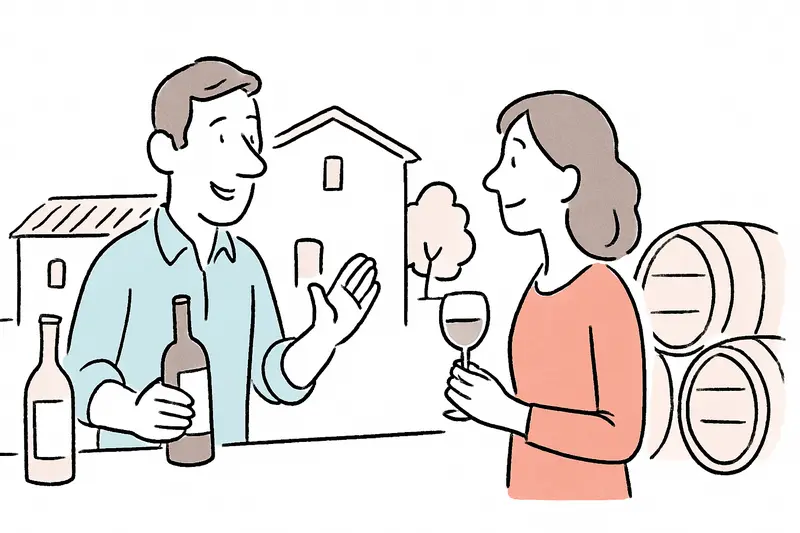
Can Cavall Blau – Farm, Wine and Community
Mallorca's food culture isn't a cliché — it's solid and often very local. When I stroll the Mercado de l'Olivar in the morning I smell fresh ensaimadas alongside stacked oranges from Sóller. Try a small one as a mid-morning snack with coffee, or take a larger one for a picnic in the Tramuntana hills. Sobrassada belongs in every kitchen; slathered thickly on country bread it's my weekend indulgence. My tip: buy from a family butcher who still seasons salt and paprika with care.
The island is rich in pistachios, almonds and honey — from these come gató d'ametlles (an almond cake I love with a scoop of almond ice cream) and various turrones that are indispensable at Christmas. Quely biscuits are practical travel favorites; you'll see them in small packets at bus and train stations.
Buy fish and seafood where the fishermen land them — early morning is the best time. And if you're up for something special: Flor de Sal d'Es Trenc with herbs elevates simple dishes; a few grains on a tomato salad add instant character.
Season tip: don't miss the almond blossom in January/February — inland villages briefly turn into fragrant, snowy fields. For market and direct-sale addresses it's worth calling before you go; many small producers open only in the mornings.
Crafts in Inca, Pòrtol and Pollença
Mallorca's craft traditions are surprisingly alive. In Inca you feel the leatherwork everywhere: cobblers' workshops, family-run ateliers and shops that have been making boots and bags for decades. I once watched a cobbler sew the seam of a boot by hand — thrilling because every movement is precise. Shoe lovers should visit the workshop address, not just the shop.
Pòrtol is the ceramics hub: small studios where siurells and cast-iron pots are made. I once joined a workshop that miraculously yielded a small bowl from my clumsy hands — perfect for olives on the terrace. The colors there, the red and green flecks of the siurells, seem simpler than they are; each figure often carries a story the potter will tell.
In Pollença and Santa María del Camí the weaving tradition continues: woven textiles with classic Mallorcan patterns can be found in small shops. And don't forget the straw vendors around Capdepera — their baskets are hard-wearing and much prettier than plastic bags. My tip: go early in the morning, have a cup of coffee and watch the makers at work — they usually enjoy sharing anecdotes about their techniques and family history.
Oil, Wine and Salt – the island's liquid treasures
When I think of Mallorca's liquid products I think of olive oil, wine and the unmistakable Flor de Sal. Olive groves with ancient trees produce oils you can recognize by their fruitiness or slight peppery bite. Many small mills offer tastings: bring a baguette and try different varieties — you'll quickly find your favorite. My advice: buy a jar directly from the producer, not the supermarket; it's often fresher and fairly priced.
In the wine world Binissalem and Pla i Llevant lead the way, but small bodegas in lesser-known valleys are doing exciting things with native grapes like Manto Negro or Premsal Blanc. A winemaker in Binissalem once explained to me how sea breezes and limestone soils shape a grape — you can taste it in the glass. Visit a cellar at sunset when the temperature drops and the vineyards glow golden.
The Flor de Sal from Es Trenc is not just a seasoning but a texture and flavor enhancer; a little on grilled fish or dark chocolate works wonders. Some producers mix in herbs or citrus peels — ideal as a gift.
A small logistics tip: pack oil and wine in your carry-on or well-protected in your suitcase; delicate bottles dislike temperature swings. And don't forget to ask producers how they work — the stories behind the bottles are often as rewarding as their contents.
Categories
Gourmet & Handwerk
MM
About Mallorca Magic
Expert guide to Mallorca's most beautiful places, experiences and hidden gems.
Book a rental car
Book your flight
Share
Quick info
Location:Mallorca
reading time:5 minutes
views:0
Published:December 16, 2025
More to explore
Discover more interesting content

Activity
Same category
Boat Tour with BBQ along Es Trenc Beach
50% relevance

Activity
Same category
Private transfer from Mallorca Airport (PMI) to Pollensa
50% relevance

Activity
Same category
FUN Quad Mallorca
50% relevance
Activity
Same category
Mallorca Grand Tour by Land & Sea: Valldemossa, Sóller & Calobra
50% relevance
Activity
Same category
Catamaran cruise in Mallorca with stunning views and BBQ
50% relevance
Activity
Same category
Canyoning in Mallorca
50% relevance