
Mallorca, Balearen
Mallorca wine guide from the neighborhood
A compact, honest guide to wineries, D.O. regions and insider tips — ideal for a relaxed day of wine tasting in Mallorca.
Share:
MM
Mallorca Magic
Guides
December 13, 2025
5 min reading time
0 views
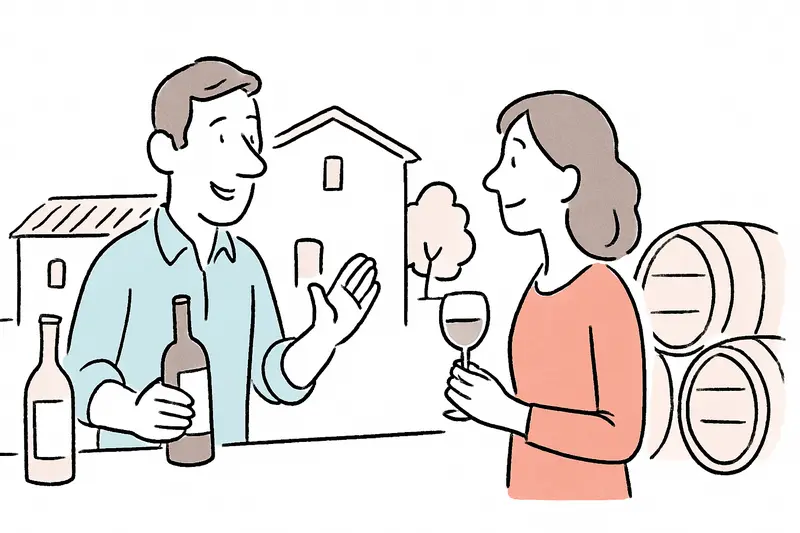
Mallorca is not just beaches and the Tramuntana — it also has a small, very independent wine scene. In recent years I have spent more time than planned among vines and cellars — usually with olive-bread stains on my shirt and a glass of Callet in hand. The island has two official D.O. areas, Binissalem and Pla i Llevant, but the best discoveries often happen in hidden courtyards and young bodegas. If you like wine, plan at least half a day per region: arrive in the morning, take a cellar tour, slowly taste three to five wines and have a late lunch with local sobrasada or grilled fish.
Practical tips: many bodegas require reservations, especially in spring and autumn. Afternoons are hot in summer — it’s better to taste in the morning. Organic and low-intervention winemakers are increasing, and some offer short harvest workshops. In this guide I share my favorite places, some dates (like the Pollensa wine festival) and clever tips so you don't come back empty-handed.
Binissalem, Pla i Llevant and what lies behind them
When I think of Mallorca’s wine landscape, Binissalem comes to mind first — narrow streets, stone fincas and wineries that stay surprisingly calm in heat and Tramuntana wind. D.O. Binissalem has real classics: red blends from Callet, Manto Negro and international varieties that age surprisingly well here. Nearby lies Pla i Llevant: more open, with soils that favor Chardonnay, Moll and other white varieties.
What I like: small bodegas where you can speak directly with the winemaker. Most explain vintages without marketing buzz — you often hear stories about a particularly wet season or an unexpected late frost. Visit two to three estates in a day; many offer a simple tapas package: some olives, hard cheese and freshly baked bread.
Tasting tip: start with the whites, work your way to the reds and note one or two bottles that really stick. Prices are fair — between €8 and €25 per bottle, depending on quality. At harvest time (September to October) the island is alive: staff in wellies, crates full of grapes and the scent of fermenting must. That’s the best time to see real activity.
If you want a relaxed plan, combine a bodega with a walk through a nearby village and a late coffee. Many winemakers sell directly from the estate — handy if you have space in your suitcase. And yes: the small tasting rooms often have surprisingly good rosés, perfect for the trip back to the coast.
Categories
Activities
MM
About Mallorca Magic
Expert guide to Mallorca's most beautiful places, experiences and hidden gems.
Book a rental car
Book your flight
Share
Quick info
Location:Mallorca, Balearen
reading time:5 minutes
views:0
Published:December 13, 2025
More to explore
Discover more interesting content

Activity
Same category
Boat Tour with BBQ along Es Trenc Beach
50% relevance
Activity
Same category
Private transfer from Mallorca Airport (PMI) to Pollensa
50% relevance

Activity
Same category
FUN Quad Mallorca
50% relevance
Activity
Same category
Mallorca Grand Tour by Land & Sea: Valldemossa, Sóller & Calobra
50% relevance
Activity
Same category
Catamaran cruise in Mallorca with stunning views and BBQ
50% relevance
Activity
Same category
Canyoning in Mallorca
50% relevance