
Almost 70 Euros for Just Under Three Hours of Parking: The Trap at Son Sant Joan
Almost 70 Euros for Just Under Three Hours of Parking: The Trap at Son Sant Joan
A short work errand at the airport ended with a surprisingly high parking bill. Why the two-hour tariff limit raises so many questions and how the situation could be improved.
Almost 70 Euros for Just Under Three Hours of Parking: The Trap at Palma de Mallorca Airport (Son Sant Joan) - Wikipedia
Key question: Is the parking tariff system at Palma airport (Son Sant Joan) still appropriate, or is there a business model hiding behind the clear two-hour limit that comes at the expense of users?
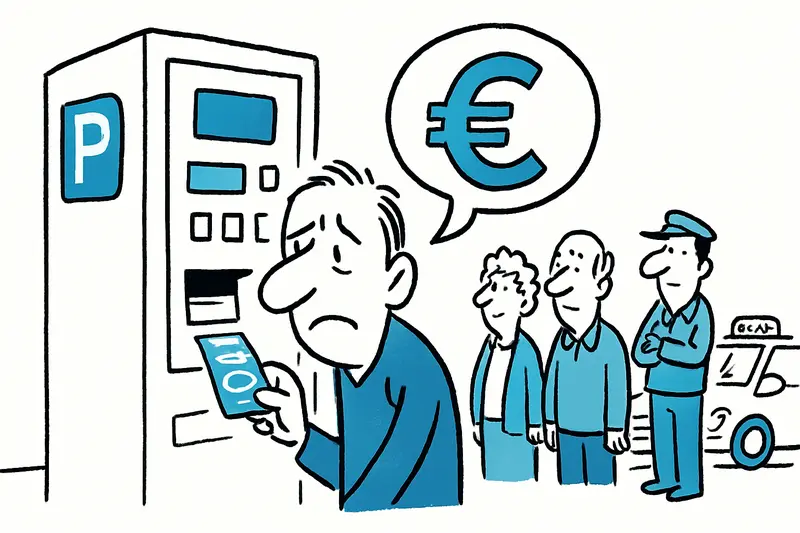
Saturday morning, departures level at Son Sant Joan: the soft beeping of barrier-card readers, a few rolling suitcases, taxi drivers waiting for customers, and a queue of travelers and commuters at the ticket machines. Exactly here, in the short-stay/express area, a routine assignment for a member of the editorial team ended with a bill of more than 60 euros. Not for a whole day or a weekend — for just under two hours and 40 minutes.
What the technical issue is
The principle is simple and can be read on the websites of the airport operator AENA website: the first ten minutes are usually free, afterwards charges apply according to the tariff, and the maximum stay in the express parking area is two hours. If this limit is exceeded, the terms of use apparently trigger the full daily maximum rate and measures such as towing may be threatened.
The result is a large jump in the bill, even if only a few minutes over the limit are involved. For many users it feels like a binary system: under two hours = moderate fee, over two hours = full daily price. For inspections, service trips or unforeseen delays this constitutes a considerable risk.
Critical analysis
First: the tariff logic rewards precise timing instead of fairness. A driver who stays two hours and one minute pays significantly more than someone who stays one hour and fifty-nine minutes. That is economically rational for the operator, but hard to justify from a consumer perspective. Second: information deficits. Ticket machines and signs at the airport are often small, their readability suffers, and those carrying luggage or under time pressure can easily overlook the payment rules. Third: lack of goodwill mechanisms. A discount was granted in this individual case, apparently after a complaint; however, a formal, obvious gesture of concession is not visible.
What is missing in the public debate
There is a lot of talk about the level of parking fees, but rarely about the tariff structure itself: the sharp edge at two hours, the lack of minute-accurate billing and the practical consequences for commuters, taxi drivers, tradespeople or journalists. Also hardly debated is whether the express area still makes sense if small delays immediately convert customers into full-day payers.
Everyday scene from Palma
On Passeig Mallorca in the morning: the smell of bakeries, buses rolling toward the airport. A delivery driver mutters under his breath because he is stuck at a traffic light; at an airport that can mean exceeding the two-hour mark. Travelers stand at the ticket machine, an elderly couple studies the display, a young man patiently explains the steps to his father at the payment terminal — despite the hustle you can see how easily misunderstandings arise.
Concrete solutions
1) Better signage and larger notices directly at the entrance and at the ticket machines: clearly visible displays with a countdown and precise explanation of the consequences, not just fine print. 2) Minute- or hour-pro-rata billing instead of an "all-or-nothing" tariff: a graduated model reduces jump costs and appears fairer. 3) A grace period of, for example, 15 minutes after the deadline before the daily price applies; this creates breathing room for delays. 4) App or SMS notifications when approaching the limit: users could be automatically reminded. 5) Transparent receipts with a tariff breakdown and information on legal remedies and contact options. 6) A public campaign by AENA and the island administrations to clearly communicate common pitfalls.
Who could act?
Formally the regulation lies with the airport operator; complaint mechanisms and European Consumer Centres Network can review individual cases. At the municipal level, representatives could demand clearer information obligations. In the long term, an investigation by the responsible transport or European Commission consumer policies authority would be sensible to determine whether the tariff design is transparent and proportionate.
Conclusion
The combination of a hard tariff cutoff and unclear information creates a cost trap at Son Sant Joan that can surprise many users. Small delays should not automatically lead to financial hardship. A few pragmatic changes — better notices, graduated prices, a short grace period and digital reminders — would make the system far more consumer-friendly without completely cutting off the airport's revenue stream. In the end it's about proportionality: an airport must function, but users should not feel that every minute carries a financial risk.
Frequently asked questions
What is the best time to visit Mallorca for sunny days and outdoor activities?
Do I need a car to explore Mallorca, or are trains and buses enough?
What should I pack for a trip to Mallorca?
Are Mallorca beaches safe for swimming, and what should I watch out for?
What family-friendly activities does Mallorca offer?
What language is spoken in Mallorca and what should I know about local etiquette?
Is the water in Mallorca suitable for swimming year-round?
Where are some quieter spots to visit in Mallorca away from the crowds?
Similar News
Goodbye Megayachts: Why Palma's Port Is Now Focusing on Small Luxury Liners
Four smaller luxury liners berthed in Palma at the same time recently — around 1,600 passengers on board, plus about 2,0...
Fear in the Sa Teulera Forest: Youth Groups Harass Cruising Zone in Palma
In the wooded area of Sa Teulera, those affected report verbal attacks, property damage and intimidation. How safe is th...
Axa opens first health center in Palma: €3 million, 650 m² and more local access for La Vileta
In the heart of La Vileta, Axa has opened its first own health center in Mallorca. On around 650 square meters and with ...
30 Years of Nit de l'Art: What Palma's Art Night Really Shows — and Conceals
Nit de l'Art celebrated its thirtieth anniversary: full galleries, young visitors — and the quiet tensions between the a...
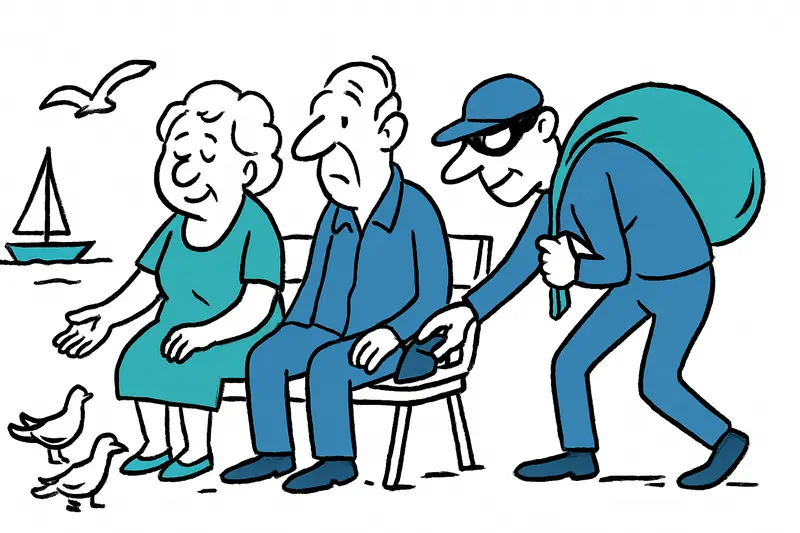
Hunt for Older Holidaymakers: Arrests after Suspected Pickpocketing in Port d'Andratx and Bellver
Five suspects were arrested after investigators accuse them of targeted pickpocketing of elderly tourists in Port d'Andr...
More to explore
Discover more interesting content

Can Cap de Bou

Townhouse Lleo 72
