
Assault in Palma: Three Arrests After Attack on 76-Year-Old
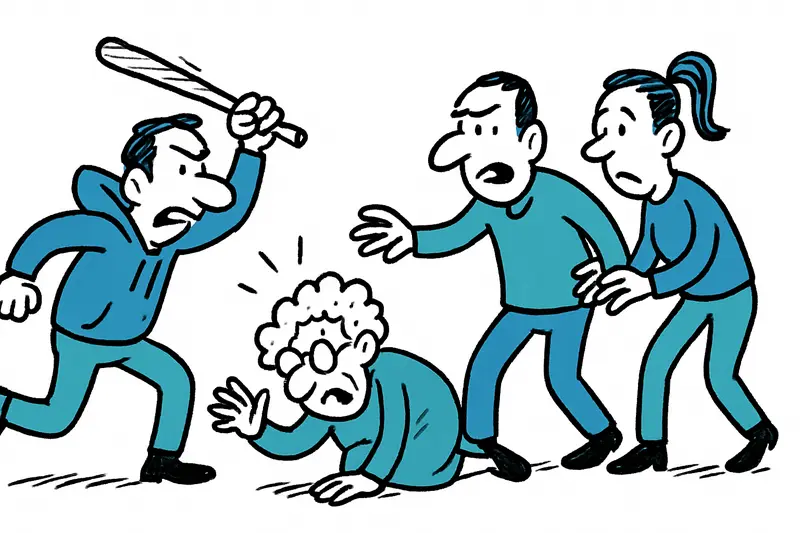
In Palma, three people were arrested after a 76-year-old woman was robbed in front of her home and injured with a wooden stick. Two neighbors were also attacked.
Assault in Palma: Three Arrests After Attack on 76-Year-Old
Key question: How safe are older people in Palma — and what must change to make such cases less frequent?
On the evening of May 6, a 76-year-old resident of Palma became the victim of a brutal assault: after she apparently struck up a conversation with three people in a bar, they followed her to her home. In front of her door, the attackers are said to have stolen two gold chains and a bracelet from the woman; the total value of the jewelry is estimated at around €16,000. The senior was hit with a wooden stick. Two neighbors who tried to intervene were also attacked. The local police were able to locate and arrest the suspects nearby shortly afterward. Similar rapid arrests have been reported in other Palma cases, for example a robbery spree in which two suspects were held in custody.
These figures are cold, but the scene remains in the mind: a narrow sidewalk, the streetlights casting long shadows, somewhere the glass of a bar still clinking — and a woman who simply wants to live in peace suddenly standing in shock. On Mallorca we see these images less often in the headlines, but when they do occur, they shake trust in one’s own neighborhood.
Critical analysis: At first glance the case looks like a raw robbery. However, the facts raise several questions that are often neglected in public discussion. First: Why do older people so often find themselves in situations where they can be physically overwhelmed? Social isolation, walking alone at night and the willingness to make casual contacts in bars can play a role. Second: How quickly are police patrols on site, and how good is the communication between neighborhoods, bars and security forces? Third: Why is the value of jewelry so prominently reported — and doesn’t that distract from the physical and psychological harm suffered by the victim?
What is missing in the public discourse: We often talk about safety for tourists, pickpockets in pedestrian zones and parties in the summer season. Less visible are attacks on older residents who live here permanently and who are vulnerable off the main routes. There is a lack of reliable data on violence against seniors on the island, as well as clear prevention programs that specifically reach this group. Local reporting on different types of crime, such as a Palma car-theft series that led to three juveniles being arrested, has also raised questions about prevention efforts.
An everyday scene from Palma: on a mild May evening in Santa Catalina the neighbor sits on the balcony railing, hears the honk of a Vespa and the clink of bar glasses from the street. She knows almost everyone on her street, but not every new acquaintance. This is how gaps arise: people who are new or only seek short acquaintances fall more easily through the social net. It was exactly this gap that the perpetrators exploited in the current case.
Concrete solutions that could work here and now:
1) More presence, not just on paper. Foot patrols in the evenings in residential areas with many older residents help create deterrence. That means not only short-term deployments at major events, but regular, scheduled patrols.
2) Awareness in bars and cafés. Innkeepers are often the first point of contact. Simple trainings on how to assess situations and when to intervene or call the police could have a preventive effect. Small measures — a discreet panic button, clear notices about risky situations — are practical.
3) Strengthen neighborhood networks. Digital groups or analogue notices in entrances, together with fixed contact persons, reduce isolation. Simple actions like an “evening-walk buddy” or a phone circle for older neighbors create vigilance.
4) Better data basis. The municipality should systematically record incidents: ages of victims, locations, times. Only those who measure can steer effectively — otherwise much remains a matter of feeling.
5) Immediate support measures for victims. Outpatient follow-up care, uncomplicated psychological support and practical help (e.g. accompaniment to authorities) are important so that victims are not left alone.
Conclusion: The assault in Palma is more than an isolated case; it is a wake-up call. It is not only about the arrest of suspects — which the police achieved quickly and which is necessary — but about how we as a city prevent people who have been at home here all their lives from becoming victims of violence. Practical neighborhood help, engaged innkeepers, visible patrols and better recording of incidents would make the island safer. What is needed is not more surveillance rhetoric, but concrete, locally anchored measures — quiet, practical and effective.
Frequently asked questions
How safe is Palma for older residents at night?
What should I do if I witness an assault in Palma?
Are older people in Mallorca more at risk of street crime?
What can bars and cafés in Palma do to prevent violent incidents?
How can neighbourhood networks improve safety in Mallorca?
What support is available after a violent attack in Palma?
Why is better reporting of incidents important in Mallorca?
What precautions should older people in Palma take when going out in the evening?
Similar News

More water than last year: Mallorca's reservoirs breathe easier
September rain refilled the Tramuntana's reserves: overall fill around 35 percent, Cúber at 40.42 percent, Gorg Blau at ...
Three Luxury Hotels in Banyalbufar: Lots of Money, Many Questions
A Danish investor plans three exclusive accommodations in Banyalbufar — including the historic Son Valentí. The announce...
2.1 tonnes of cocaine on sailing yacht off Spain's coast – a reality check for the coastguard
A 14-metre yacht was seized with 2.1 tonnes of cocaine. Who monitors the ports, how does the international hunt succeed ...

Heat Bonus in Mallorca: 100 Euros Extra for Outdoor Staff at MarSenses
MarSenses pays employees who worked outdoors in August an extra €100 as recognition. Lighter uniforms, reduced hours for...
Renovating in Mallorca: What You Really Can Do Without Neighbour Consent
Many think they can do whatever they want in their apartment. That's partly true — but only as long as structural elemen...
More to explore
Discover more interesting content

Can Cap de Bou

Townhouse Lleo 72
