
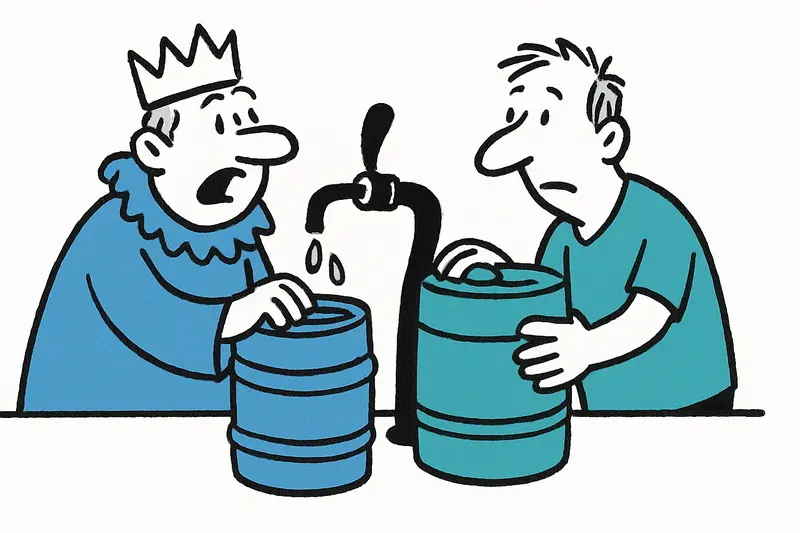
Bierkönig switches beer: More than a label change on Schinkenstraße
Bierkönig switches beer: More than a label change on Schinkenstraße
The beverage change at the Bierkönig is a fact: from April 16 Krombacher will flow. Why the news raises more questions than just those about taste, and what consequences this can have for the Playa, neighbors and the industry.
Bierkönig switches beer: More than a label change on Schinkenstraße
Key question: What does the switch from König Pilsener to Krombacher mean for the Playa — beyond tap logistics and social media reactions?
In the early morning, when the garbage trucks are still rattling down Schinkenstraße and the rising smell of coffee from open doors replaces the last partygoers, the news first seems oddly abstract: a brand changes in a venue. But the Bierkönig is not a normal venue. On peak days, up to 20,000 people gather there according to known figures, spread across halls with around 20 bars, about 250 taps and thousands of meters of beer lines. That is stadium-sized infrastructure — and therefore a topic for the whole island.
Critical analysis: changing the beer supplier is more than marketing. Exclusive partnerships shift sales flows, influence purchasing networks and alter supply chains. If only one brand flows at the Playa in the future, this affects small retailers, competing hospitality businesses and logistics: what cooling capacity will be needed, how many additional truck trips will there be, how long will the existing beer lines run before they need maintenance or cleaning? Figures like "around 2,000 meters of beer line" and "250 taps" are not anecdotes — they stand for material consumption, cleaning cycles and energy demand.
What is often missing from public discourse: concrete consequences for residents and the environment. On one side are fans arguing online about taste; on the other are noise, parking pressure and packaging waste, which increase in spring with the season opening. Also rarely discussed: the power position that large venues secure for their suppliers through exclusive contracts. This can push local breweries and small suppliers out of the market — a loss for regional value creation.
A small Mallorca everyday scene: around 10 a.m. a café owner sits on Avinguda de las Palmeras and watches delivery vans jostle for the entrance to the Bierkönig. A retiree who takes his walk there every morning shakes his head at the rearranged bars; young people stroll by, discussing TikTok clips. It is such scenes that show: decisions on Schinkenstraße affect not only revelers, they cut through the daily rhythm of the neighborhood.
Concrete approaches so that such a switch becomes a household issue and not just a brand question: 1) Contract transparency: public disclosure on duration, exclusivity and planned measures for waste/logistics. 2) Environmental check: recording additional transport kilometers, cooling and cleaning effort, measures to avoid waste (deposit returns, reusable cups, package reduction). 3) Cooperation with local businesses: minimum shares of regional products on the drinks menu or seasonal offers from smaller breweries as compensation. 4) Noise and traffic management: coordinated delivery windows, standby arrangements for congestion on opening days, and clear communication with residents. 5) Health and safety: enhanced training for bar staff to recognize and respond earlier to excessive alcohol consumption.
For local policymakers this means: regulation must not only look at noise or road closures. Permits for large event operators should include environmental and supply chain aspects. The municipality could also prepare a best-practice list for seasonal businesses — a simple guide on logistics, waste management and socially compatible opening hours.
What fans take seriously: taste remains taste. Some will celebrate the change, others will reject it. But it is worth looking beyond emojis and short comments. It is about more than pils versus pils: about the local economy, about waste and traffic, about the balance between tourism business and quality of life at the Playa.
Pithy conclusion: the tap is a political lever. When a giant operation like the Bierkönig swaps its brand, it affects taste — and the surroundings. The opportunity is to see this change not just as a PR moment, but as an occasion for more sustainable operations, clear rules and fairer conditions for smaller suppliers. Because: when the music turns up again on Schinkenstraße, the neighbors should not have to pay the price.
Frequently asked questions
Why does a beer brand change at Bierkönig in Mallorca matter beyond the drinks list?
What does a beer change mean for noise, traffic and waste in Mallorca’s Playa area?
When does the Ballermann season in Mallorca usually become busier?
Does a big Mallorca nightlife venue like Bierkönig affect local businesses nearby?
What should visitors expect at Schinkenstraße in Mallorca when Bierkönig changes supplier?
How much beer does Bierkönig in Mallorca handle on busy days?
What can Mallorca nightlife venues do to make a beer supplier change more sustainable?
Can Mallorca residents expect more delivery traffic around Bierkönig after a beer switch?
Similar News

Rental Car Theft in El Arenal: What This Incident Reveals About Our Gaps
A teenager steals a running rental car in El Arenal, flees on foot, climbs over walls and is caught by the Guardia Civil...
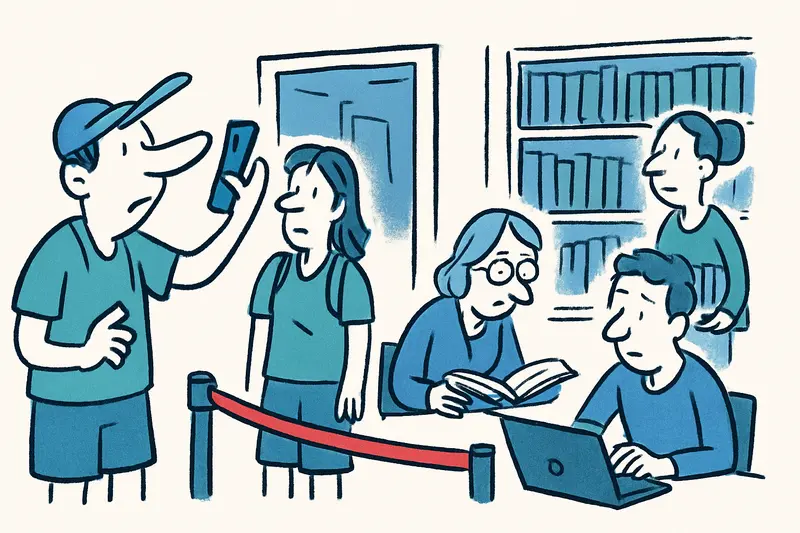
Red Rope in Palma's Library: What Helps Against Selfie Tourism — and What's Missing
Palma's city library cordoned off an area with a red rope to keep selfie tourism away from reading and working activitie...

Fort San Carlos: Museum, Harbor Dispute — and a Conflict That Demands Answers
The military museum at Fort San Carlos sits right on Palma's harbor, with unexpectedly quiet rooms filled with cannons a...
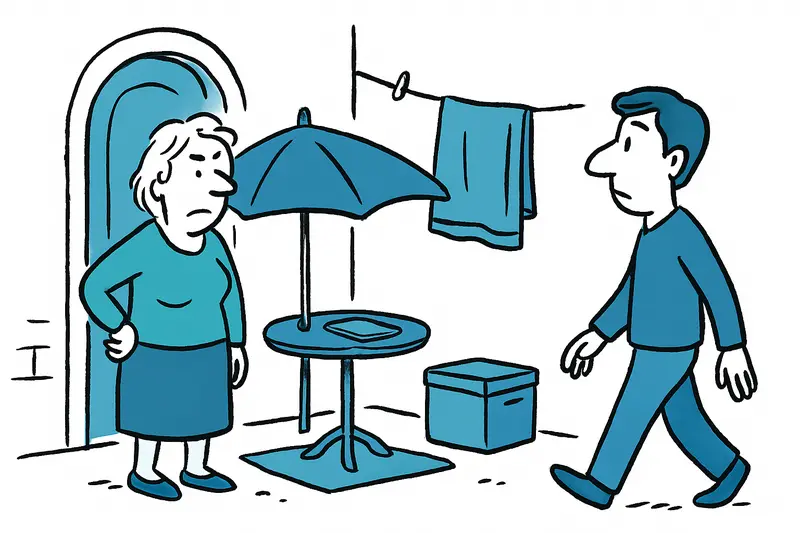
Old Town Under Pressure: When a Doorway Becomes a Sleeping and Shower Place
For months a woman has been living with a parasol, a clothes rack and personal belongings next to the social welfare off...
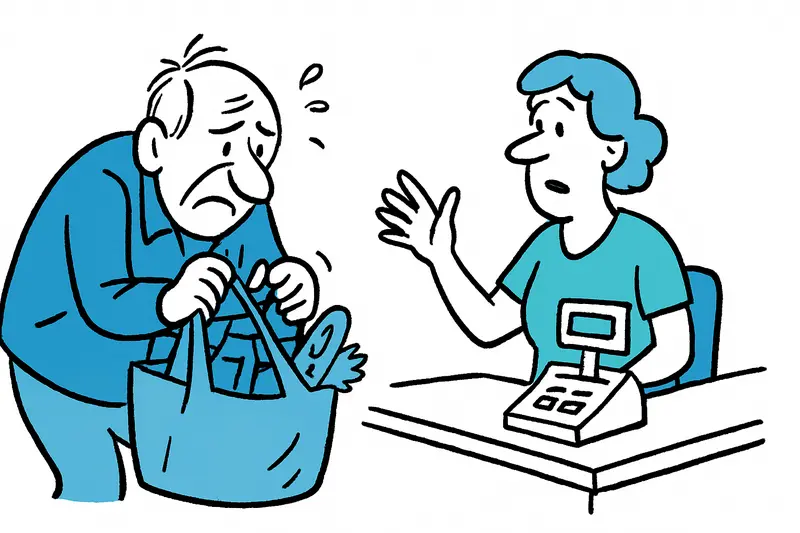
When Shopping Weighs Heavier: Mallorca Demands a Tax Pause on Food and Fuel
Rising prices are putting pressure on households and agriculture. The Balearic Islands are calling for temporary tax rel...
More to explore
Discover more interesting content

Can Cap de Bou

Townhouse Lleo 72
