
Car hits cyclist on Ma-13 near Sa Pobla – How safe are Mallorca's country roads?
Car hits cyclist on Ma-13 near Sa Pobla – How safe are Mallorca's country roads?
On the Ma-13 near Sa Pobla a cyclist was struck by a car in the late morning. He suffered minor injuries and investigations are ongoing. A reality-check on road safety.
Car hits cyclist on Ma-13 near Sa Pobla – How safe are Mallorca's country roads?
Key question: Why do such collisions happen and what is missing for cyclists to travel safely?
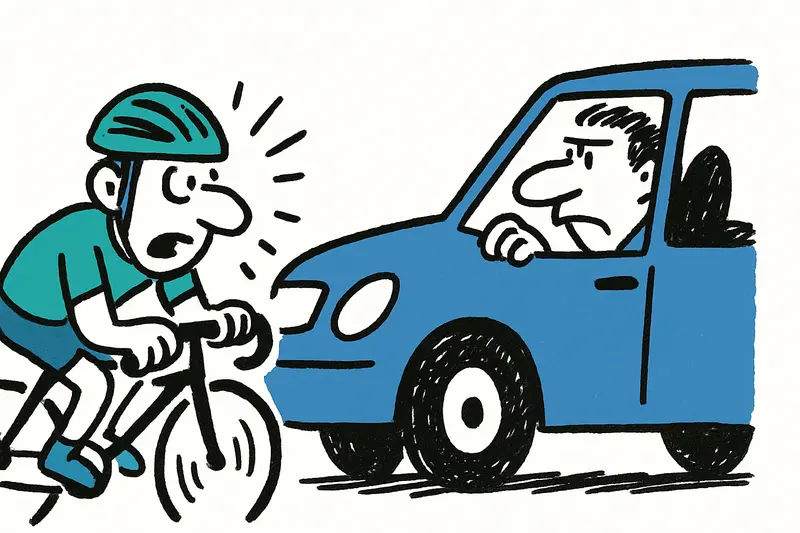
In the late morning on the Ma-13, near kilometer marker 41 close to Sa Pobla, a car collided with a cyclist. It was around 11 a.m., on the final stretch of the road toward Alcúdia. Emergency services from SAMU 061 treated the man on the closed carriageway; according to first reports he sustained only minor injuries and was taken to hospital for further checks. Several traffic police units secured the scene and managed traffic; the Guardia Civil has taken over the investigation into the cause of the accident. During the response there were noticeable traffic delays on the Ma-13, similar to incidents covered in Severe rear-end collision on the Ma-13: Why the stretch between Inca and Palma often becomes a bottleneck.
Critical analysis: Such reports quickly read like routine – but that routine is deceptive. The Ma-13 is a straight, often busy connecting road; high speeds, changing light conditions and agricultural traffic are everyday occurrences. Cyclists have little buffer: no continuous bike lanes, narrow shoulders and occasional short hazards like puddles or farm track entrances force evasive maneuvers close to moving traffic. When a car strikes a cyclist on this type of road, multiple factors coincide: visibility, speed, distance, possibly distraction or a driving error. The Guardia Civil's investigation will clarify what exactly happened – but prevention requires more than forensic answers. Recent coverage, including Three serious accidents in one night: What's wrong with Mallorca's country roads?, highlights how several incidents can occur in a short period.
What is missing from public debate: locally detailed statistics, concrete speed analyses and transparent information on accident hotspots on island roads. There is a need for an honest discussion about the responsibility of all road users: not only drivers, but also infrastructure planners and the authorities who organize traffic enforcement. Too often an incident is handled in a short bulletin without asking whether it was due to obscured sightlines, missing markings or dangerous detour spots. The perspective of the cycling community is also rarely included systematically.
Everyday scene from Sa Pobla: imagine a morning – the air scented with orange blossom, tractors returning from the fields, and the steady hum of motorcycles and delivery vans on the Ma-13. A cyclist in sporty clothing and a high-visibility vest keeps close to the guide posts, the driver of a white compact car changes lane at the last moment, a stone jumps, a brake squeals. A normal morning begins and ends faster than you think.
Concrete solutions that could be tackled immediately include targeted speed controls at known accident hotspots; temporary or permanent widening of the shoulders where possible; mobile protection lanes and visible markings in narrow sections; better cleaning and maintenance of the side strips so cyclists do not have to move into traffic; information campaigns for drivers on safe approaches and the correct passing distance when overtaking; promotion of high-visibility clothing and lighting for cyclists, especially at dawn, dusk or in poor weather. In addition: local accident analyses that are publicly accessible so municipalities can prioritize where action is needed. More in-depth analysis of causes and potential measures is available in Why Mallorca Remains Dangerous for Bikers — and What Could Really Help.
Some measures are small and fast to implement: temporary warning signs, increased traffic police presence on weekends and during holiday months when many sports cyclists are on the road, and coordinated actions with cycling clubs for visibility and safe route planning. In the long term, however, a strategic review of the Ma-13 and similar links is needed: where can bike paths be built, where are buffer zones possible, and which stretches require a permanent reduction in the speed limit?
Sharp conclusion: The recent accident near Sa Pobla is a warning sign, not an isolated case, and it reminds us that island roads must serve everyone – not just fast through traffic. Authorities, traffic experts and the people on the road should now work together concretely, instead of waiting for the next investigators' report. The Guardia Civil will clarify the sequence of events in this incident; the real task remains to prevent similar situations in the future. This is not a grand vision but daily work – here, between fields and coast, on that Ma-13 we all use.
Frequently asked questions
How safe is cycling on Mallorca's country roads?
What should cyclists wear on Mallorca roads for better visibility?
Why are accidents more common on Mallorca's main connecting roads?
What happens after a cyclist is hit on a Mallorca road?
Is the Ma-13 near Sa Pobla dangerous for cyclists?
What can Mallorca do to make rural roads safer for cyclists?
When is it most important to be careful cycling in Mallorca?
What should drivers in Mallorca do when overtaking cyclists?
Similar News

Who Benefits from the Half‑Hourly Flight on the Edge? Aena, Investments and the Island's Interests
Almost one billion euros is flowing into Son Sant Joan. The figures show the scale of investment and expected beneficiar...

Are the Balearic Islands the Southern Border of Europe? A Reality Check on Immigration
The Balearic Islands are again calling for EU aid after a sharp rise in arrivals by sea. Conflicting priorities between ...

"Expensive chaos" and many open questions: What clients can do when a lawyer suddenly stops responding
Several clients complain that a well-known German lawyer in Mallorca has been unreachable for months. Key question: What...

TV tip: 'The Last Problem' — Mallorca as the setting of a classic crime
A classic whodunit on Mallorca: A new miniseries set in spring 1959 brings storm, an isolated hotel and a dense web of s...

Nipping Sea Creatures: Why Bathers in Cala Major and Elsewhere Should Be Cautious
In Cala Major, bathers have reported being nipped by small fish. What is behind it, how can problems be avoided — and wh...
More to explore
Discover more interesting content

Can Cap de Bou

Townhouse Lleo 72
