
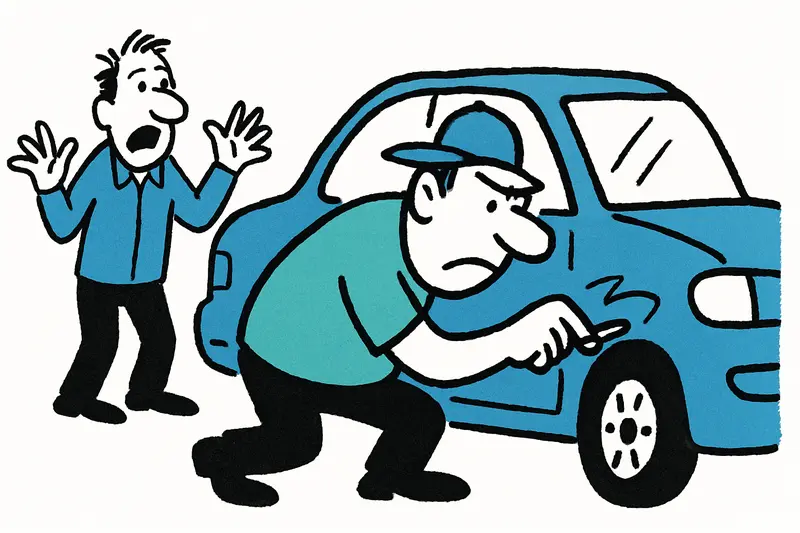
Scratched Cars in Santanyí: Scratches Instead of Holiday Peace
Several cars with German license plates were scratched at Parking Es Pontàs in Santanyí. Was it targeted resentment or senseless vandalism? A look at causes, reactions and concrete solutions.
Scratches instead of holiday peace: Cars damaged in Santanyí
It was one of those summer evenings at Cala Santanyí: the smell of grilled fish mixed with conversations from the eateries, somewhere the cicadas were still chirping, and guests were looking for a parking space on Sa Cova Street. When a resident returned from dinner at around 7:10 p.m., he not only found his Mercedes damaged but at least three other cars with German license plates on the Parking Es Pontàs. Damage: an estimated €6,000 to €8,000 to his car. The big question remains: was this targeted resentment against Germans or pure malicious vandalism?
One evening, four vehicles — and a lot of frustration
The scene is simple and yet disturbing: a short absence, a return, unexpected destruction. The person affected spoke of disappointment with the police response. The incident had been recorded, but they heard little afterwards. Many here know exactly this “filing a report and then hearing nothing for a long time” — it leaves anger and a feeling of helplessness. In Santanyí, where tourism and everyday life sit close together, an incident like this quickly becomes a small crisis in the neighborhood.
More than scratches: A look at the mood
The fact that cars with German license plates were affected intensifies emotions. In recent weeks there have already been indications of anti-German graffiti in the area. Whether concrete resentment, local tensions due to overcrowding and rising prices, or simply youthful destructive impulses — the causes are complex. The social background: seasonal and permanent residents, tourist hotspots, rising rents and a perceived change in daily life — all of this builds pressure.
Little discussed is how much such incidents strain the relationship between hosts and guests. A damaged car is not only a private problem; it disturbs the public peace: repair shops, insurers and assessors get involved, restaurants and neighbors whisper, and the image of the quiet cove gets a crack.
What is often missing in the public debate
The simple answer “vandalism” is not enough. Important questions are rarely asked aloud: Are there patterns in time and place? Who benefits from an increased presence of certain nationalities? Are reports properly pursued? And: How connected are local security structures with hospitality businesses and the town police? Without these analyses, measures remain half-hearted.
Concrete steps that make sense now
Practically and in the short term, the municipality and police could take the following measures:
1. Visible presence: Temporarily increase patrols in the evening hours at the cove and parking areas. Visible police presence often already has a de-escalating effect.
2. CCTV checks: Ask restaurants, bars and private homes along Sa Cova Street to review footage and share it promptly. Many venues have cameras — a quick cross-check helps.
3. Rapid evidence collection: A fast-track procedure for property damage at tourist hotspots could improve investigations and give victims timely feedback.
4. On-site prevention: Better lighting, clearer parking markings and signage as well as simple measures like numbering parking spaces make filing reports and witness statements easier.
5. Community roundtable: A meeting between the municipality, police, restaurant operators and residents — three or four times in the summer — to discuss pressing questions and clarify shared responsibilities.
Practical tips for drivers
For residents and guests: briefly note the parking time, check for visible cameras when parking, and ask the venue if recordings exist. It sounds fussy, but it is often the fastest way to a lead. Important tip: report any clues immediately to the local station — sometimes a statement from the venue is the decisive piece of the puzzle.
Outlook — how can the island remain hospitable?
Santanyí thrives on walks at the cove, small restaurants by the water and the voices from the alleys. An incident like this should be an occasion not only to talk about penalties but about spaces for encounter: information offered in German, Spanish and English, transparent investigation procedures and a visible cooperation between authorities and local businesses. This is how trust can be regained.
In the short term it is about clarifying the act and supporting the victims. In the medium term, however, the island community must work so that tourists are seen not only as spenders but as neighbors — and so that residents do not feel their island is changing without participation. Small steps, clear rules and honest conversations help more than pure outrage.
If you have information about the scratches: please report it to the local police station and, if appropriate, speak with the restaurants at the cove — often operators know more than they immediately reveal. And next time, as you inhale the scent of grilled fish looking at the dark row of parked cars: a quick check for cameras costs little but helps a lot.
Frequently asked questions
What should I do if my car is scratched while parked in Mallorca?
Is parking near Cala Santanyí safe at night?
What is the best time of year to visit Mallorca if I want calmer parking and fewer crowds?
Should I leave valuables in my car when visiting Mallorca beaches and coves?
What is Parking Es Pontàs in Santanyí used for?
Why do parking disputes happen in popular Mallorca tourist areas?
How can I prove car damage in Mallorca for police or insurance?
Are there signs of anti-German sentiment in parts of Mallorca?
Similar News
Palma: Car Flips Over – Seniors Rescued, Questions About Traffic Safety
On a major arterial road in Palma, a car flipped onto its roof after a heavy collision. An elderly couple was freed and ...
Calvià opts for style over rowdiness – a plan for year-round, diversified tourism
Calvià wants to shake off Ballermann images by 2030 and boost hiking, sports, culture and gastronomy tourism. Hotels, th...

Autumn Is Coming — When the Rain System Will Cool Mallorca and What We Must Learn
AEMET warns: the chance of rain increases on Thursday and Friday — temperatures will fall. An opportunity to prepare our...

Eurowings in Palma: Expansion, Approval Chaos and the Reality Test for Island Planning
Eurowings is significantly increasing its presence in Palma and is even considering technical maintenance on site. The i...

A.M.Y.: Between Finca, Cornfield and Schoolyard – a 13-Year-Old Who Gets Mallorca Humming
With sunglasses, a rock guitar and the courage to sing over nagging voices: Amy Horber, 13, lives with her family on Mal...
More to explore
Discover more interesting content

Can Cap de Bou

Townhouse Lleo 72
