
Former Condor 757s: A Jet Is Being Dismantled in Wales — What It Means for Mallorca
Former Condor 757s: A Jet Is Being Dismantled in Wales — What It Means for Mallorca
In St Athan (Wales) a former Condor Boeing 757 is currently being dismantled. The scene raises questions about disposal, spare parts and the handling of aircraft scrap — issues that are also relevant for Mallorca.
Former Condor 757s: A Jet Is Being Dismantled in Wales — What It Means for Mallorca
A dismantling photo, parts on the ground and the question: where do retired holiday jets go?
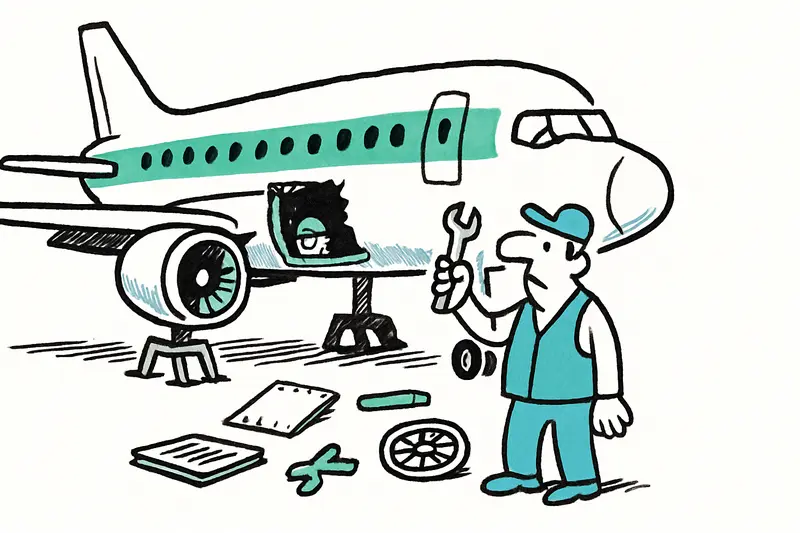
At an airfield in St Athan in Wales several Boeing 757s can be seen that until recently operated for the German holiday carrier Condor. A company called Plane Reclaimers posted images on social media showing a jacked-up aircraft with green-and-white stripes; at one spot fairings below the windows are missing, a worker is visible inside, and removed parts lie on the ground. Based on visible markings it is very likely the aircraft with the registration D-ABOL, which Condor received in April 2000, was repainted in 2023 and remained in service until April 2025.
The scene in Wales is not unique: apparently jets of this type are being dismantled at other locations as well, including in Castellón, Spain. The company that published the photos sells and processes removed materials further — from furniture to watches made from aircraft parts. This elicits mixed reactions: such upcycled products are interesting to collectors and design fans, while the dismantling has consequences for aviation workers, the spare-parts market and local residents. Local coverage has explored similar effects: Condor dice adiós a Leipzig: qué hace Mallorca al respecto.
Key question: What does the large-scale scrapping of former holiday aircraft mean for the island, its airports and the local aviation economy?
First effect: spare parts supply. Many aircraft are retired before a full refurbishment becomes economically viable. For Mallorca this means: in the short term the availability of used, compatible parts for older types will decline. Workshops and third-party providers that previously relied on used parts must reorganize or source new components (see When the 757 Disappears: A Quiet Change Over Palma). Second: environmental and disposal issues. Aircraft contain, besides steel and aluminum, plastics, sealants, hydraulic oils and electronics. Without transparent dismantling protocols there is a risk that hazardous materials are not disposed of properly. Third: economic recovery. Is material processed locally or exported? Converting parts into furniture or design objects is a niche that contributes little to the return flow of large volumes.
What is often missing in public discussion: numbers and processes. How many Condor 757s still await dismantling? What permits were issued for transport and disassembly? Who is responsible for professional oversight of the disposal? Relevant authorities include European Union Aviation Safety Agency (EASA). Media images show holes in the outer skin and removed fairings, but little about how brake fluids, avionics batteries or fuel residues are handled. On an island like Mallorca, transparency would be especially important because recycling capacities and specialist firms are limited.
Everyday scene from the island: late in the afternoon at Palma-Son Sant Joan airport a modern jet takes off, the runway hums, and technicians in the terminal discuss delivery times for replacement filters — such conversations are common in workshops near the airport (see Condor says 'farewell' to Leipzig — what Mallorca makes of it). Many of the old aircraft that once served holiday traffic are well known here: they brought thousands of holidaymakers each year. Now, when a 757 like D-ABOL is dismantled, the routine of years past appears as detached traces at recycling yards.
Concrete solutions: first, the industry should create binding transparency: a public list of retired aircraft with location, permit status and intended fate. Second: standardized dismantling protocols aligned with European waste and hazardous-material regulations such as the EU Waste Framework Directive. Third: expand regional recycling capacities in the Balearics or elsewhere in Spain so valuable materials are not transported unnecessarily far. Fourth: partnerships between airports, airlines and local craftsmen to produce locally usable goods from aircraft material — with clear environmental standards. Fifth: training for local specialists so dismantling, testing and processing can take place on site.
A small practical suggestion: airports could work with an "end-of-life" coordinator when larger fleets are retired. This person would check permits, maintain contacts with certified recyclers and promote local value creation — creating transparency and detailed knowledge that is often missing.
Conclusion: the image of a jacked-up jet in Wales is more than just a photo. It is a reminder that aircraft get a second, often artisanal life when they fall out of summer service. For Mallorca this affects spare-parts availability, environmental safety and, in part, island pride — the machines that carried holidaymakers for years should not simply disappear without clarity about their fate. A responsible, transparent approach would safeguard not only technical resources but also a piece of memory.
Frequently asked questions
What happens to old holiday jets when they are retired from service?
How does aircraft dismantling affect Mallorca’s spare parts supply?
Is it normal for former Condor aircraft to be dismantled in Spain or Wales?
What environmental issues come with dismantling aircraft?
What does the end of Condor’s Boeing 757 era mean for Mallorca routes?
Can aircraft parts from old jets be turned into furniture or design items?
Why is transparency important when aircraft are scrapped in Europe?
What should Mallorca airports and airlines do when a fleet is retired?
Similar News
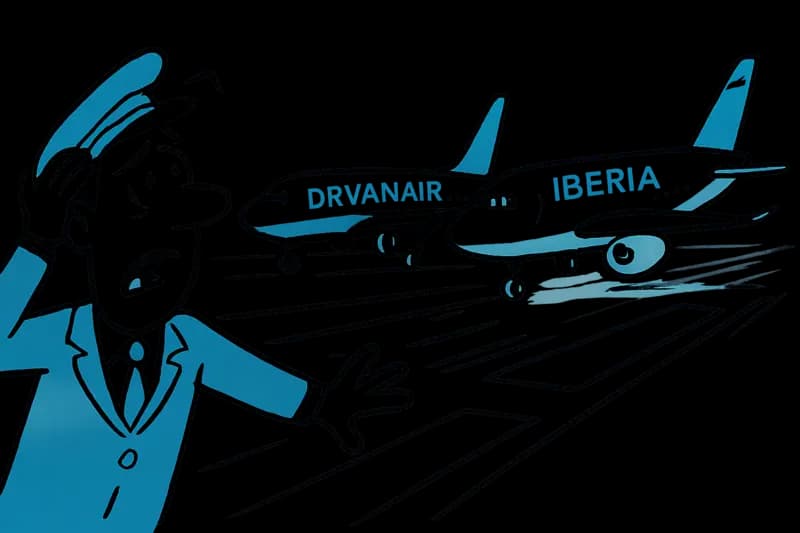
Near-miss on Lanzarote: Landing Ryanair Jet and Iberia Takeoff — what really went wrong
On Lanzarote there was a dangerous incident: A Ryanair flight (FR5910) from Dublin landed on runway 03 while an Iberia E...

Eurowings introduces new Premium Business seats on Mallorca routes
From December 1, selected Eurowings flights to Palma and other destinations will feature eight particularly generous sea...

Car on MA-13 near Inca in flames – a safety check for the island
A vehicle caught fire on the MA-13 towards Alcúdia on Tuesday afternoon. The driver was uninjured, the car was destroyed...

Real Estate in Mallorca: Fewer Buyers, Higher Prices — What's Behind It?
Sales on Mallorca are falling, yet prices continue to climb. Why fewer transactions do not equal relief — and what shoul...
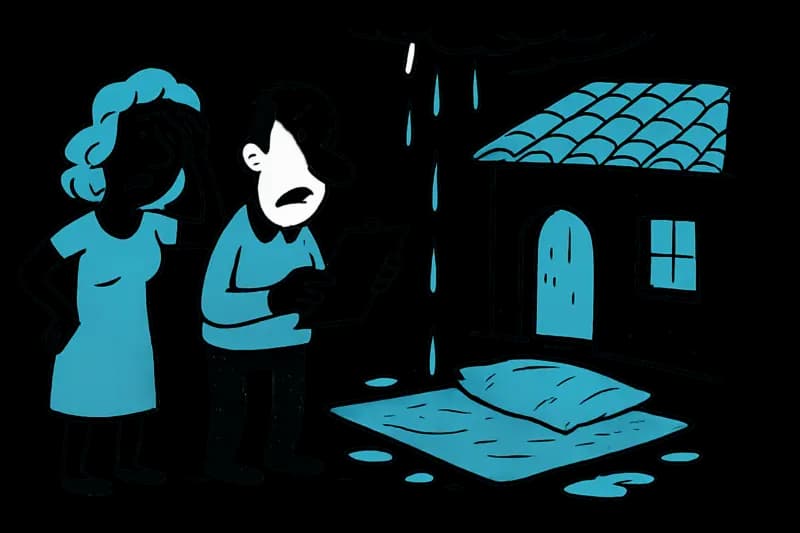
Just Bought — Already Trouble: Water Damage in the Heiters' Villa and What Owners in Mallorca Should Know Now
A newly purchased sea-view property — and within days a water damage. What risks lurk in new properties in Mallorca, and...
More to explore
Discover more interesting content

Can Cap de Bou

Townhouse Lleo 72
