
Crash in Cala Rajada: Suspected Drug Use After Rear-End Collision – What Remains for the Neighborhood?
A rear-end collision in Cala Rajada on Calle Leonor Servera in the morning ended with an arrest: suspicion of cannabis at the wheel and a woman slightly injured. What does this say about road safety and checks in Capdepera?
Crash in Cala Rajada: Suspected Drug Use After Rear-End Collision – What Remains for the Neighborhood?
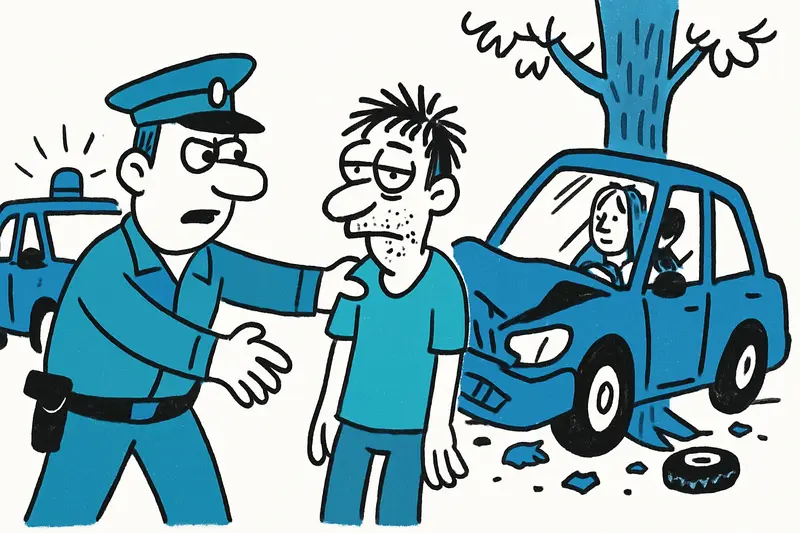
An ordinary Tuesday morning – the sun hung low over the pines at Plaza de Los Pinos, freshly brewed coffee scented the cafés – then, around 9:00 a.m., a loud bang shattered the idyll. On Calle Leonor Servera two cars collided, and one was pushed against a tree by the impact. Blue lights, sirens, curious glances from passers-by and tourists: for a short time the small street became the focal point of Cala Rajada Accidente en Cala Rajada: conductor detenido por conducir bajo la influencia de drogas.
The key question: Are checks sufficient to prevent such accidents?
It quickly became clear on the spot: the driver of the vehicle that rear-ended the other car was temporarily arrested. An initial drug test reacted positive for cannabis; he refused a requested second sample. The young woman in the other car suffered minor injuries and was taken to the Hospital de Llevant. But what do such isolated incidents say about the sense of safety in Capdepera – and are the current checks enough to consistently punish drugged driving Drogas al volante en Cala Ratjada: un accidente, muchas preguntas?
Between eyewitness reports and the driver's version
Eyewitnesses reported high speed, sparks flying and the dull impact against the tree. A resident who had just picked up his coffee from the corner café spoke of a "jolt, like a bad movie" and said the driver had turned into the narrow street far too fast. The 38-year-old arrested describes the situation differently: he says he saw a vehicle in his lane coming towards him and could no longer avoid the collision. This discrepancy is important for the investigation and shows how often on-site perceptions diverge.
The less discussed side: refusing to provide samples and the investigative work
Refusal to give a second sample makes the police's work considerably more difficult, as explained by Dirección General de Tráfico: drogas y alcohol al volante. In practice this is not a rare problem: when suspects decline tests, evidence and potential legal proceedings are delayed. For investigators this means securing traces, systematically recording witness statements and examining negligent driving. For victims and residents uncertainty remains – and the question of whether legal instruments are sufficient to minimise the risk of repeat incidents.
Concrete opportunities for prevention
Such crashes are not only individual tragedies; they reveal structural gaps: too few traffic checks during the morning rush hour, a lack of visible controls in residential streets and insufficient public education on the effects of cannabis on driving ability. Concrete measures that could help include: more mobile checks at peak times, training for police and emergency services on handling drug-related cases, increased public awareness in tourist areas and technical measures like speed-reducing installations at critical points – without destroying the town's charm.
Neighborhood, bottleneck and responsibility
For local residents the accident was a wake-up call. Children may now hear sirens more often, the smell of petrol lingered in the air for a long time, and the elderly woman who walks around the plaza daily with her dog remained visibly unsettled. Such images stay with people. They raise the question of how much residents, authorities and local politicians must work together to make narrow streets like Calle Leonor Servera safer – without turning every morning into a traffic checkpoint.
The procedure is ongoing – and small steps count
Investigations in Capdepera are ongoing: statements are being recorded, traces analysed and tow services coordinated. If the drug suspicions are confirmed, the driver faces criminal and traffic law consequences. For the neighborhood there is hope that the injured woman will recover quickly – and the memory of an unusual morning, the smell of petrol and the reflexes we all need when something goes wrong in Mallorca.
Anyone who saw anything is asked to contact the police in Capdepera. And perhaps the most important lesson is this: prevention needs tips from the community, visible checks and a debate about how to protect lives without turning the island into a surveillance paradise.
Frequently asked questions
What should I know about driving in Mallorca if drug use is suspected at the wheel?
How do police in Mallorca deal with suspected drugged driving after a crash?
Is Cala Rajada considered safe for walking and driving in the morning?
What happens to injured people after a traffic accident in Cala Rajada?
Why are narrow streets like Calle Leonor Servera more vulnerable to crashes in Mallorca?
What can Mallorca residents do if they witness a dangerous crash or reckless driving?
Are there more traffic checks in Mallorca’s tourist areas during busy hours?
What can Mallorca towns do to reduce accidents without changing their character?
Similar News
Palma's Subway Project: Environmental Review Begins — More Questions Than Answers
The environmental review for Palma's planned subway extension to Son Espases has started, raising concerns and unanswere...
When Tents Return by the Sea: Palma Between the Congress Palace and Sleeping Places
Tents repeatedly appear in Albert Camus Park and on the beach at Can Pere Antoni. Why don't evictions solve the problem ...
Alleged Rape in Palma: How Home Videos Changed the Investigation
A woman reports an assault in Palma. Secretly recorded videos are said to have supported her account. Why migrant women ...

After Major Partners Exit: Palma Rewrites the Rules for the Waterbus
The port authority has changed the rules for the planned waterbus: removal of rigid minimum revenue guarantees, higher u...
Rats in Llucmajor: How Uncollected Garbage Became a Health Problem
In Llucmajor, uncollected trash bags, overflowing containers and rain are leading to increased rat sightings. An assessm...
More to explore
Discover more interesting content

Can Cap de Bou

Townhouse Lleo 72
