
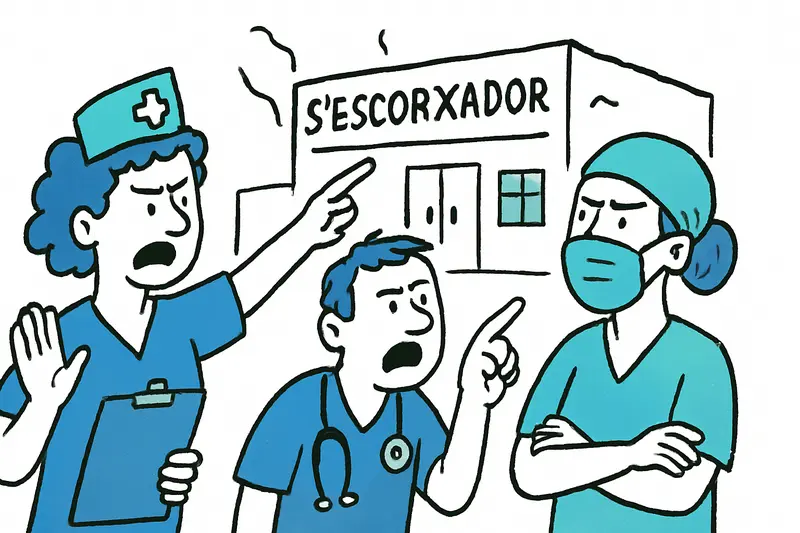
Alarm at S'Escorxador Health Center: When Safety Becomes a Matter of Negotiation
Staff at the S'Escorxador Health Center report rats, mold, broken smoke detectors and missing escape routes. The union has involved the labor inspectorate — but what helps immediately, and what needs to happen in the long term?
When the commute becomes an unsafe zone: S'Escorxador under pressure
The first buses at the Estación still arrive leisurely, the smell of fresh café con leche mixes with the clatter of the tram — and nursing staff brace themselves for a shift that feels like operating on a construction site. At the S'Escorxador Health Center, employees report damp walls, broken toilets, failed smoke detectors and even rats. These snapshots of everyday life may read like maintenance lists on paper, but in reality they are potential hazards for patients and staff, as documented in Personal sanitario alerta: deficiencias en el centro de salud S'Escorxador en Palma.
The central question
Who ensures that safety and hygiene in public health centers exist not just on paper? This is not an abstract administrative debate; it directly affects people with respiratory illnesses, elderly patients and the staff who bear daily responsibility.
What has happened so far — and where the hidden costs lie
The union Satse has involved the labor inspectorate and argues that repeated notices to IB-Salut have not led to sufficient action. Official inspections are underway, but while the administration writes reports and schedules appointments, staff improvise: trolleys stored in niches, makeshift barriers, complex scheduling so the few usable rooms are used efficiently.
Less visible but equally real are the psychological and organizational consequences: increased strain on the workforce, constant uncertainty, appointment cancellations and longer journeys for elderly people who travel in vain. A broken toilet or a room closed due to mold can quickly mean a lost hour for chronically ill patients, sometimes more — and thus a loss of trust in a system that promises punctuality and reliability.
Why these deficiencies are dangerous
Missing escape routes and non-functioning smoke detectors are not formalities; consult INSST. In a fire, minutes determine the extent of damage and lives. Damp walls and mold worsen respiratory conditions, as noted in the WHO report on dampness and mould; pest infestations are a hygiene problem with potential for spread. In short: this is about more than comfort — it's about health protection.
What is often overlooked
Public discussions often focus on responsibilities and budgets. But maintenance culture, fast procurement channels for spare parts, clear local assignment of responsibilities and targeted short-term measures are rarely addressed. Equally rarely discussed is the information available to patients: why are those affected not informed promptly when appointments are rescheduled? And who protects the most vulnerable — people with limited mobility, parents with small children, respiratory patients?
Concrete, immediately implementable steps
There are measures that provide immediate relief and do not require months of planning:
- Visible escape route signage: temporary, easily accessible markings and lighting for emergency exits.
- Repair or replace smoke detectors: prioritize lifesaving fire safety components.
- Pest control by professional companies with clear documentation; short-term inspection rounds.
- Intensive cleaning and dehumidification of affected rooms to stop mold growth.
- Transparent communication for patients: notices at the entrance, a hotline, SMS service for appointment changes.
Long-term agenda — so tomorrow doesn't look like today
Short-term patching is not enough. In the long term, the facility needs a technical assessment with prioritization, a binding timetable and a budget commitment. It is also conceivable to temporarily relocate sensitive services — such as respiratory and geriatric consultations — to safe rooms until renovation work is completed. An independent oversight body that regularly and publicly reports results would build trust and maintain pressure for implementation.
Responsibility, speed and transparency
The union's demand for speed hits the mark: this is not routine, but protection. Administration and politicians must show that health facilities are not a secondary line item in the budget. It's about dignity at work and safety for the people treated here.
For residents and patients around the Estación, hope remains for clear steps — and for communication that no longer burdens the morning trip to the health center with uncertainty. If you have an appointment in the coming days: call ahead. For the staff at S'Escorxador the clock is ticking — and every repair, every notice can make a difference now.
Frequently asked questions
What should patients in Mallorca do if their health centre may be affected by maintenance problems?
Can damp walls and mould in a health centre affect your health?
What safety problems in a health centre are considered serious in Mallorca?
What can staff do if repeated complaints about unsafe working conditions in Mallorca do not lead to action?
Why are emergency exits and smoke detectors so important in a public building in Mallorca?
What should elderly patients in Palma do if a health centre visit becomes difficult or unnecessary?
Where is the S'Escorxador health centre in Mallorca, and why are people talking about it?
How should a health centre in Mallorca communicate appointment changes to patients?
Similar News
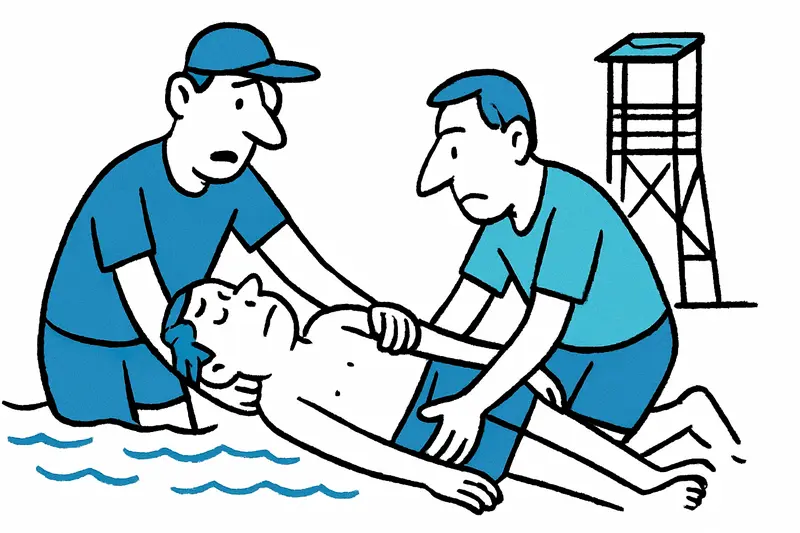
Magaluf: Watchtower Alarm – Lifeguards Pull Unconscious Beachgoer from the Water
After a drama in the late afternoon, two lifeguards at Magaluf beach rescued an unconscious 44-year-old man. He was stab...

Turquoise in the City: How dangerous is the color play of the Sa Riera?
The Sa Riera in Palma suddenly turned turquoise — a pretty motif, but behind the effect lies a discharge of saline waste...

Jeckliner at Sunnesching: Cologne spirit sets sail from Palma
In September 2027 the Mein Schiff 2 briefly becomes a floating carnival stage: four days with Cologne bands, comedy and ...
Finally Home: Mike and Leyla Heiter Buy Villa with Sea View in Mallorca
The reality TV couple Mike and Leyla Heiter have bought a house in Mallorca with a roof terrace and sea view. An Instagr...
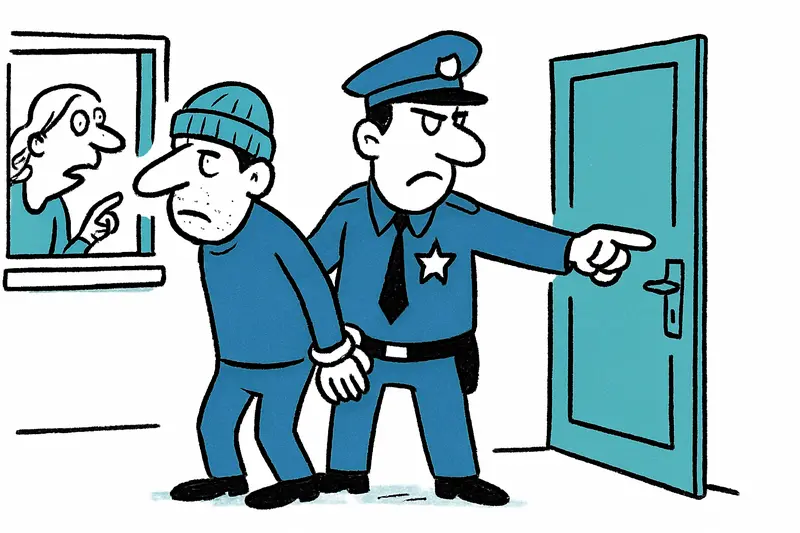
Arrest after series in Palma: Who protects apartments from repeat offenders?
The National Police arrested a man in Palma who investigators say may have broken into several apartments. In one incide...
More to explore
Discover more interesting content

Can Cap de Bou

Townhouse Lleo 72
