
Incapacitated Co‑pilot on Lanzarote–Manchester: What Is Aviation Missing?
Incapacitated Co‑pilot on Lanzarote–Manchester: What Is Aviation Missing?
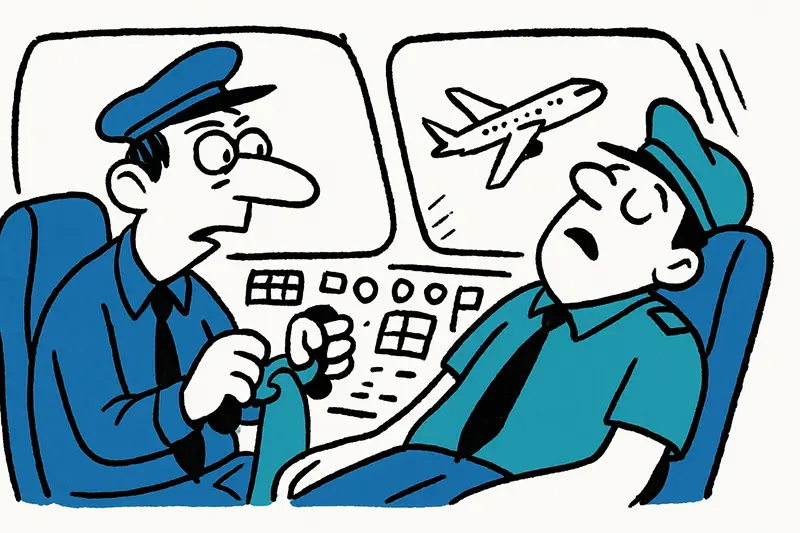
On a Jet2 flight from Lanzarote to Manchester the first officer became incapacitated during the approach. The captain landed alone — an incident that raises questions about transparency, training and medical precautions.
Incapacitated Co‑pilot on Lanzarote–Manchester: What Is Aviation Missing?
Key question: How well protected is a flight if a pilot suddenly becomes incapacitated?
On the evening of 3 February a medical emergency occurred in the cockpit on a return flight from Lanzarote to Manchester: the first officer became incapacitated during the descent, the captain took over and brought the aircraft down safely. Rescue teams and medical personnel were waiting on the apron; the nature of the problem is not yet known, and similar precautionary arrivals have been covered in local reports such as When the Toilet Became a Flight Risk: Ryanair Plane Turned Back After Takeoff and Landed Safely in Lanzarote.
That is the sober account. The real questions are trickier: Are existing procedures sufficient to reliably protect passengers and crew in such an incident? And how open must an airline be with information without violating medical privacy?
From the perspective of an ordinary Mallorca resident it looks like this: on Passeig Mallorca, just before the editorial office, you hear the bus from Plaça España in the morning, people with rolling suitcases and coffee cups in hand. Many of them are frequent flyers or spend every winter here — they want to know whether their next flight is safe and whether the pilot at the other end of the controls is still fully fit for duty. The uncertainty lingers, even though the next departure is usually on time.
Critical analysis: Aviation is highly standardized in many areas. There are clear procedures for pilot incapacitation: checklists, role allocation, communication with air traffic control, and medical preparation on the ground. Modern airliners have autopilots, flight management systems and redundant systems that can cushion a single failure. Still, a human medical emergency in the cockpit is an unequal event — it is rare but hard to predict.
What is often missing in public debate are three things: first, reliable numbers on medical incidents on board; second, transparent but data‑protection‑compliant information for affected passengers; third, a sober debate about whether rules on medical fitness and crew rest are sufficient. Without this basis, every discussion quickly becomes overrun by speculation.
Practical proposals that are feasible: First, more standardized reports. Airlines should publish short standardised notices that state the time and broad consequences without making a diagnosis, similar to brief news items such as Toilet malfunction on board: Ryanair flight returns and lands on Lanzarote. Second, more practice scenarios in simulators for cases in which a pilot suddenly becomes incapacitated — landings under pressure are particularly critical. Third, coordinated medical check‑ups focused on acute risks (for example cardiovascular disease, stroke risk), combined with improved rest and shift rules. Fourth, better integration of the cabin crew in cockpit emergencies — clear procedures about who communicates what and how medical help on board is organised.
A practical example: When a pilot falls ill during takeoff or on final approach, every minute counts. A standardised reporting system could help air traffic control prioritise correctly faster, while more intensive simulator training could help practise the handover of control between the captain and support from cabin crew. And if airlines provided recognised information on the frequency of such incidents, rumours and uncertainty among passengers would fade more quickly.
What would help locally on Mallorca: airports and flight schools on the island could jointly offer further training — if necessary publicly visible as a confidence‑building measure. On days with many return flights from the Canaries you can see at Son Sant Joan Airport how stressed staff sometimes are. Transparency and training would serve not only safety but also the confidence of residents and tourists, a point illustrated in local coverage such as Back after takeoff: What a 'toilet problem' reveals about flight safety.
Concise conclusion: The safe landing in this case shows that standards work. But a rare medical emergency on board should not be an occasion to rely on luck. Better: clear information, targeted training and a more open approach to data — then the man with the coffee cup on Passeig Mallorca will feel less helpless at his next departure.
Frequently asked questions
How safe is a flight if a pilot becomes incapacitated during the journey?
What should passengers know about medical emergencies in the cockpit on flights to Mallorca?
Are pilots on Mallorca routes regularly checked for medical fitness?
What information should airlines give passengers after a pilot medical incident?
Do airlines train for a pilot suddenly becoming unfit to fly?
What should cabin crew do if a pilot is incapacitated on a flight from Mallorca?
Why would Mallorca airports and flight schools be interested in cockpit emergency training?
What does a safe emergency landing mean for passengers flying to Mallorca?
Similar News
New trick at Palma Airport: suitcase stolen from the belt — a reality check
On September 28 a 36-year-old allegedly stole a suitcase from the baggage belt of a 51-year-old German passenger at Palm...
Urgent Clearing of Palma's Torrents: Flood Prevention or Symptom of Short-Sighted Planning?
The city of Palma is responding to storm forecasts and has cleared several torrents. We ask: Is the short-term clearing ...

Evaneos and Mexico: A Reality Check for Sustainable Travel
Travel advertising often reads like a promise: local, sustainable, unique. But how deep do these promises really go? A c...

From Megapark to the Altar: Party Singer Now Offers Weddings in Mallorca
A well-known party artist combines partying and marriage: instead of a traditional church there are ceremonies at the Me...
The Maricarmen Case: Why an Eviction Is Forcing Spain's Housing Debate
Images of an 87-year-old woman on a stretcher have sparked a debate in Spain that also runs deep in Mallorca. Who protec...
More to explore
Discover more interesting content

Can Cap de Bou

Townhouse Lleo 72
