
Raid on Alleged Forced-Prostitution Network in Alcúdia – A Reality Check
Raid on Alleged Forced-Prostitution Network in Alcúdia – A Reality Check
Guardia Civil arrests five suspects, twelve women freed — investigators say up to 50 may be affected. Why such networks are reappearing in Mallorca and what is still missing.
Raid on Alleged Forced-Prostitution Network in Alcúdia – A Reality Check
Guiding question: How could an alleged system that lures women from Colombia with supposed hospitality jobs and then forces them into prostitution take hold in Mallorca — and what needs to change immediately?
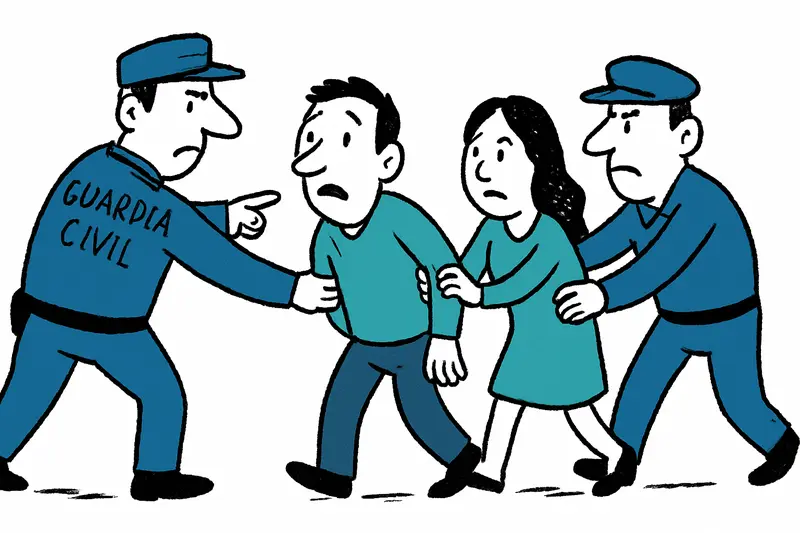
The Guardia Civil recently carried out an operation in Alcúdia in which four men and one woman were arrested, a development covered in New Raid in Mallorca: More Arrests — But Are the Roots of the Problem Untouched? Twelve women were freed from the suspicious premises; investigators estimate that up to around 50 women could be affected in total. According to reports, many of the alleged victims were lured to Mallorca from Colombia with the promise of employment in the hospitality sector. On site, they are said to have been forced to provide sexual services. The alleged leader of the network is in pretrial detention.
At first glance this sounds like a clear police success. But the question is: why were such structures not noticed on the island earlier? On the cobblestones of Alcúdia’s old town, between café cups, the cry of the seagulls from the harbor and the murmur of visitors at the Sunday market on the plaça, the crime seems far away. For those affected, however, it is a bitter reality. It is often the brave escapees or chance discoveries during inspections that bring light into the darkness. Reporting such as Ten Suspects from Raid Against Forced Prostitution in Court: A Reality Check for Palma has raised similar questions.
Critical analysis: these cases do not arise in a vacuum. Loopholes are typically provided by opaque intermediaries, lack of checks on employment contracts, limited cross-border coordination and a high demand for cheap, hidden services. On Mallorca, seasonal labor markets and a tourism structure that relies heavily on private accommodation add to the problem — making anonymous rentals and secret establishments easier to operate.
What is often missing in the public debate is an honest assessment of prevention work. The discussion focuses on arrests, not enough on systemic weaknesses: How were visas and employment brokers vetted? Who rented the apartments? Were local eateries or landlords inspected? The perspective of the victims is also too often left behind: psychosocial care, residency status, return options or long-term integration are not mere add-ons but central elements of addressing the issue.
An everyday scene: early one morning at the bakery on Avinguda de la Platja, you can hear sales staff whispering about precarious job offers. These are not infrequent hints that gradually lead to fragmentary findings. Neighbors know the smells, the shifts, the evening flow of visitors. This local awareness is valuable, but it is not used systematically.
Concrete solutions: first, tighter controls of employment agencies and transparent checks of work contracts, especially in high-risk sectors — hospitality, cleaning, construction. Second, better cooperation between police, social services and specialized NGOs, including rapid housing options and multilingual legal advice. Third, targeted training for the hotel, restaurant and rental sectors so that irregularities are reported earlier. Coverage of a major raid in Palma and Son Banya underlines the consequences when such channels fail. Fourth, strengthened cooperation with countries of origin and consular offices to uncover recruitment patterns and start preventive information campaigns. Fifth, bolster local reporting channels — anonymous tips in communities like Alcúdia should be handled simply and promptly.
Conclusion: The arrests are important, but they must not create the impression that the problem is solved by isolated actions. Forced prostitution is a network problem: it requires preventive rules, support structures and more everyday attention. When the bells of the small chapel over the plaça ring again, authorities, civil society and residents must work more closely together so that affected women receive protection and such structures do not arise in the first place.
Frequently asked questions
What happened in the Alcúdia police raid linked to forced prostitution?
How were women allegedly recruited to Mallorca in the Alcúdia case?
Why are forced-prostitution networks difficult to detect in Mallorca?
What signs can point to possible exploitation in Mallorca’s rental or hospitality sector?
What support should victims of forced prostitution receive in Mallorca?
What should landlords and neighbours in Alcúdia do if they suspect exploitation?
Are forced-prostitution cases in Mallorca connected to tourism and seasonal work?
Why is cross-border cooperation important in Mallorca human trafficking cases?
Similar News
Just Bought — Already Trouble: Water Damage in the Heiters' Villa and What Owners in Mallorca Should Know Now
A newly purchased sea-view property — and within days a water damage. What risks lurk in new properties in Mallorca, and...

Rich, Richer, Mallorca? A critical look at the growing super-rich bubble
Numbers: Around 3,600 millionaires in the Balearic Islands hold a combined €27.6 billion. What this concentration of wea...
Chain reaction on the MA-1: Eight injured in rear-end collision near Portopí
On Tuesday morning there was a crash at the Andratx exit to the MA-1 towards Palma: a rear-end collision between a car a...

Happy Couple and Water Damage in Mallorca: A Reality Check for Home Buyers
Just moved in, already water under Mallorca's sun: the case of the influencer couple highlights risks often overlooked w...
Bendinat as a meeting place: Padel Cup brings together nearly 120 players
Three days of padel at the Bendinat Urban Country Club: organized by El Económico and Borbalán, with around 120 particip...
More to explore
Discover more interesting content

Can Cap de Bou

Townhouse Lleo 72
