
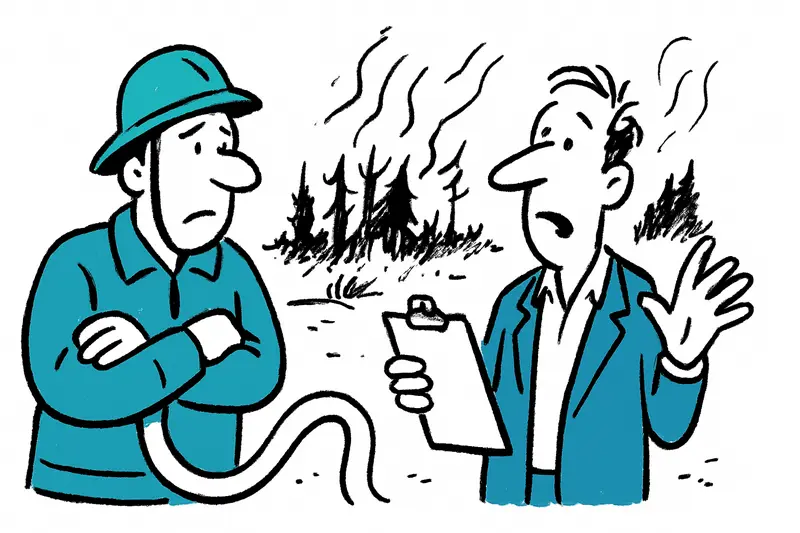
Formentor After the Fire: Under Control Doesn’t Mean Over
A major wildfire on Formentor has been contained. Around 268 hectares have been affected, and emergency crews remain on site. The next questions are how to protect the peninsula and document the damage accurately.
Formentor after the fire: The flames have been contained, but the work continues
A wildfire on the Formentor peninsula is under control. That is a significant relief—but not the end of the story. According to the information available, the fire affected 268 hectares of reed beds and pine forest. Around 30 firefighters and environmental staff remain in the area, supported by four fire engines and two firefighting aircraft.
The fire broke out on Sunday evening at around 8:30 p.m. in a wooded area between ses Cases Velles and Cala Murta. As the wind eased, firefighting operations were able to make better progress. The danger level was lowered to zero. The cause of the fire is not yet known.
What does “under control” mean?
The phrase sounds like an all-clear. In practice, it is less definitive: it does not mean that every ember has gone out or that the operation is over. After a fire in woodland and reed beds, monitoring remains necessary. The wind can shift, and hotspots can flare up again. The fact that crews and firefighting equipment remain on site reflects this cautious approach.
The figure of 268 hectares gives us a sense of the scale, but it does not tell the whole story. An area measurement is not a complete account of the damage: it also matters which vegetation burned, how badly the soil was affected, and whether the fire reached sensitive habitats. The information available so far contains no further details on these points. The cause of the fire is also still unknown. Anything else would be speculation.
The peninsula is no ordinary place for an emergency response
Formentor is a narrow, exposed headland on the northern edge of Mallorca. Anyone who has been there knows its winding road, steep slopes, and changing scenery of pine trees, rocks, and sea views. During a major emergency, these are more than just a backdrop: narrow access roads and wind can make the work more difficult. For people in Port de Pollença and around the bay, the flames visible from far away were a cause for concern. The news that the fire has been contained is likely to ease some of that anxiety.
A November wildfire may seem contradictory at first. Wildfires are often associated with midsummer and heat. But the calendar does not put out fires. Vegetation, wind, and local conditions also play a role. In this case, we know that strong gusts initially made the situation more difficult and that the easing wind helped firefighting efforts. No more can be reliably concluded from the available facts.
What is still missing from the public picture
The report that the situation is under control answers the urgent question of whether the flames are still spreading. The questions that follow remain open: How will the burned area be mapped? Who will assess the soil and vegetation? When will the cause and a reliable damage assessment be made public? And might some areas need temporary protection or closure?
These are not minor details to deal with later. After a fire, reliable information is needed so residents, visitors, and businesses know what precautions to take. The public should not be left with a seemingly precise figure and nothing more. 268 hectares is a measurable area; ecological recovery cannot be measured by that number alone.
What can help now
The first priority for emergency crews is to find hotspots and prevent the fire from flaring up again. After that, the relevant authorities should document the fire perimeter and the condition of the affected areas, publish their findings on the cause once confirmed, and clearly explain where any necessary restrictions apply and how long they will last. Recovery should be guided by the actual ecological conditions, not by a quick promise that everything will soon look as it did before.
Visitors can also do their part: respect closures, keep access roads clear, and report smoke or new flames immediately by calling emergency services. On a quiet day, visitors driving towards Formentor may see the road as a scenic route with a few bends between the car park and the sea. During a fire, that same road becomes a vital access route for emergency crews. That is a good reason not to drive closer out of curiosity.
For Mallorca, the news is therefore mixed. It is good that the wind has eased and the fire has been brought under control. But the situation remains serious: a large area has been affected, and follow-up work is still underway. Formentor does not need a premature all-clear now; it needs thorough checks and clear information. Only once the hotspots, cause, and consequences have been better understood will it be possible to say how extensive the damage really is.
Frequently asked questions
Can wildfires happen in Mallorca in November?
What does it mean when a wildfire in Mallorca is under control?
Is it safe to visit the Formentor peninsula after the fire?
How large was the wildfire on Mallorca’s Formentor peninsula?
What should I do if I see smoke or flames while visiting Mallorca?
Do we know what caused the Formentor wildfire?
How did the wind affect the wildfire response in Mallorca?
What environmental damage did the Formentor fire cause?
Similar News
Mallorca Flight and Seat Lottery: What We Can Really Confirm About the Ryanair Report
A circulating report claims that free Ryanair seats will be assigned only a few hours before departure. Without confirma...
Port d’Andratx: When a Wage Dispute Turns Violent
A former employee describes an alleged assault after a dispute over unpaid wages. What is known so far—and why important...

Fog over Formentor: Mallorca’s Weather Photography Takes the International Stage
An image from northern Mallorca is bringing the island’s weather into the spotlight: Francisco Bailón has received an in...
Fire on Formentor: What Remains Unclear—and What Matters Now
Emergency crews are still battling a wildfire on Formentor. Wind and difficult terrain are slowing their work. Clear inf...
Paolo Bulgari Dies: What His Name Has to Do with Palma’s Passeig del Born
Italian businessman Paolo Bulgari has died at the age of 89. A Bulgari store on the Passeig del Born also brought the in...
More to explore
Discover more interesting content

Can Cap de Bou

Townhouse Lleo 72
