
Giant bluefin tuna off Sa Dragonera amazes Port d'Andratx
Giant bluefin tuna off Sa Dragonera amazes Port d'Andratx
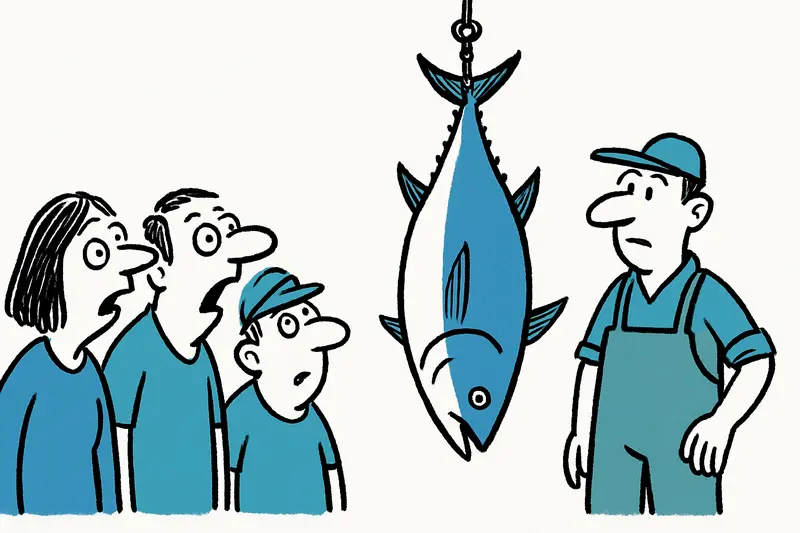
Near Sa Dragonera, fishermen caught an almost 300 kg bluefin tuna. Residents and tourists gathered in the port of Port d'Andratx as the colossus was lifted ashore by a crane.
Giant bluefin tuna off Sa Dragonera amazes Port d'Andratx
Almost 300-kilogram bluefin tuna causes a stir in the harbor and recalls long fishing traditions
In the morning a light Tramuntana breeze swept over the harbor basins of Port d'Andratx: A Summer Day with Sea Breeze and Golden Light, the sun was already warming the heads of onlookers and seagulls circled loudly above the quay. Then a crane rattled, and for a moment conversations fell silent: from the hold of the fishing boat 'Germans Torres' a massive Atlantic bluefin tuna was hoisted, an animal weighing between roughly 282 and 300 kilograms.
The net with the fish was still dripping wet, water running in silver cascades onto the deck. Standing beside the boat were skippers Toni Novo and Iván Perera, who had caught the specimen off Sa Dragonera – about ten nautical miles from the coast. The two remained matter-of-fact, pulling their caps lower over their faces and, while the harbor workers hoisted the fish onto the scales, calmly organising the next steps: weighing, documenting, preparing it for the fish auction.
The sight drew people like a small tide: anglers in oilskin jackets, retirees with cameras, tourists in flip-flops. The smell of diesel, nets and a hint of fried fish from a nearby bar mixed with the scent of salt. A crane arm swung the colossus over the pier; a few children clapped, an older dockworker could not hide a grin. Scenes like this belong to island life: craft, sea and a little waterfront theatre.
That large specimens are caught here is not unusual: according to the fishermen's hands-on experience, mighty bluefin appear every year in the fishing grounds west of the island. Still, a catch of this size is special in the daily life of the harbor – not only because of the weight, but because it makes the connection between people and the sea visible.
For Port d'Andratx such a catch means more than a headline: it brings attention, does good for the reputation of the local fishery and fills the processes of the fish auction, which in turn supplies restaurants and markets. Beyond that, for many residents and visitors it is a small lesson about the nature off our coast – Blue Dragon off Spain's Coast: Lessons for Mallorca – how large these animals can grow and how much work goes into a single catch.
During weighing and loading there were practical routines to observe: notes were taken, the crew spoke quietly about logistics and cooling. No one shouted, no one posed excessively – it was rather a serious, respectful busy-ness. Such moments remind us that behind the fillet on the plate there are people, boats, equipment and experience.
Anyone strolling along a harbor like the one in Port d'Andratx does not only see the fish; they hear the clink of chains, smell the sea, have a coffee on the mole and meet neighbours who stop briefly to watch the spectacle. For the island these are small everyday stories that describe a community: those who live from the sea, respect the sea and sometimes stop in awe.
At the end of the day the fish will become part of the local economy; some of it may go to the auction, other parts will find their way into homes and restaurants. For Port d'Andratx it is a clear, unspectacular benefit: work for fishermen, goods for market and gastronomy, stories for the people on the quay.
The next time you walk along the water and a crane rattles, think of the simple but powerful connection between island and sea. Such a catch is no fairy tale but solid island-village reality – and for a morning it makes the harbour shine.
Frequently asked questions
What is the weather like in Mallorca in spring?
Can you swim in Mallorca in early summer?
What should I pack for a trip to Mallorca in autumn?
Is Mallorca a good destination in winter?
Is Palma de Mallorca worth visiting for a day trip?
What is Sóller like for visitors to Mallorca?
Is Alcúdia a good base for a family holiday in Mallorca?
What is the best time of year to visit Mallorca for outdoor activities?
Similar News

German tourist dies in Sa Calobra – a reality check for emergencies on Mallorca's beaches
A 40-year-old tourist died at the Torrent de Pareis. The emergency call, a doctor who happened to be present, a defibril...

Deadly Tractor Accident in Bunyola: What Needs to Be Done Now
In a work accident on an estate near Bunyola, a roughly 40-year-old man lost his life. His wife and a small child were o...
Head-first dive into the shallow part of Cala Fonoll: An accident and the unresolved question of responsibility
A young tourist dove into Cala Fonoll and was seriously injured. Key question: Why are clear warning signs missing at da...

Mistaken identity with fatal consequences: Brutal assault in S'Aranjassa — what's missing in the follow-up?
At S'Aranjassa a visitor to a finca was tied up, beaten and thrown out of a van. Three men have been arrested, including...

High heel slips, car accelerates: accident on Camí de Son Hugo
A woman lost a high-heeled shoe on the forecourt of the sports facility at Camí de Son Hugo. The car accelerated, mounte...
More to explore
Discover more interesting content

Can Cap de Bou

Townhouse Lleo 72
