
Raid at Playa de Palma: Nearly 6,000 Counterfeits — What’s Really Behind It
Early morning, 22 inspected shops and almost 6,000 seized items: the raid at Playa de Palma puts an old problem back in the spotlight. Why do counterfeits keep resurfacing — and how can the trade be sustainably curbed?
Early start, big find: Police clear things up at Playa
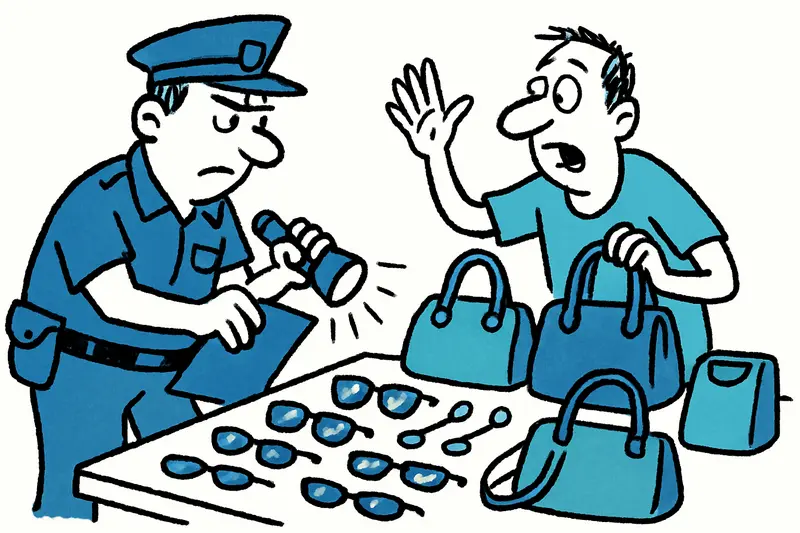
Around 7:00 a.m., when the sun lay low over the Avenida and the awnings still hung in the dewy light, police units and municipal inspectors moved in at Playa de Palma. Shopkeepers were rolling up their shutters, sidewalks slowly filled with delivery drivers and tourists, and amid this morning bustle flashlights began counting boxes and inspecting rooms. In total: 22 locations — from small stores and souvenir stalls to two beach kiosks. The operation was covered in local reporting: Gran operativo en la Playa de Palma: casi 6.000 falsificaciones incautadas.
The numbers, brief and clear
Almost 6,000 items were confiscated: counterfeit designer clothing, sunglasses, bags, phone accessories and beach goods. Some products looked professionally made, others were visibly cheap and brittle at first glance. Children’s items were also among them — a detail that particularly alarmed the authorities. Vendors face fines, criminal charges and, in extreme cases, loss of their sales space.
The central question: Why do counterfeits keep coming back?
The raid answers the immediate question — what was found. More context and discussion about whether the action changes the souvenir market can be found in a follow-up piece: Raid at Ballermann: Does the Operation Clean the Souvenir Market or Shift the Problem? The far more important question remains: why does this trade continue to thrive despite inspections? Residents and business owners along the promenade say the problem has become noticeably worse. A café owner who has watched the Avenida for decades dryly commented: “It wasn’t this obvious before.” The answer lies in several factors: high tourist numbers, low entry barriers for sellers, profitable margins on knock-offs and tangled supply chains that are hard to trace.
Who is actually affected?
Besides the sellers, there are losers you don’t immediately see: legitimate shops and brands that suffer from unfair competition; tourists who might buy dangerous electronics or children’s products; and the city, which has to commit resources to inspections. Authorities stress consumer protection: poorly made electronic items or products contaminated with harmful substances can pose real risks. This is not just an intellectual property issue — it’s about safety.
Aspects rarely discussed out loud
First: the origin chains. Many sellers say they bought from intermediaries. Who are these middlemen, and why is it often impossible to trace back to the importers? Second: disposal. Six thousand items — many will either be retained as evidence or destroyed. How are waste and potentially hazardous substances handled? Third: the economic logic. Once sellers discover profitable niches, they quickly adapt their offerings, exploiting seasons and gaps in inspection intensity.
Concrete opportunities and solutions
The raid is necessary but not a cure-all. What can help:
1. Stronger cooperation between the police, consumer protection agencies and port authorities to more quickly track supply chains and intercept large shipments.
2. Regular, visible inspections during peak times — not just one-off raids. Visibility sends a signal to sellers and potential buyers.
3. Transparency for consumers: information at the point of sale, more details in guidebooks and digital channels; simple reminders to ask for receipts and warranty documents.
4. Reducing demand through tourism initiatives that promote local, certified products and make alternatives visible — from craft markets to official outlets.
5. Sustainable handling of confiscations: testing concepts for harmful substances and environmentally responsible destruction, instead of dumping everything in the trash.
Voices and everyday life on the promenade
Between conversations you could hear the clatter of awnings, the distant honking of buses on Carrer de Joan Miró and the quiet murmur of tourists weighing up whether the low price was too good to be true. A German tourist summed it up soberly: “I wanted sunglasses anyway, now I’m more careful.” Some shop owners were contrite, others insisted they had accepted the goods without knowledge.
Conclusion: A step — but not the end
Playa de Palma is now almost 6,000 questionable items poorer. The action sends an important signal, yet the structural causes remain. Inspections must become smarter: not only reactive but proactive — with a focus on supply chains, disposal and tourism education. If the city, sellers and visitors see this as a shared problem, the trade in counterfeits can be fought more sustainably. Until then, the next stroll along the promenade should include a healthy dose of skepticism — and a careful look at price tags and receipts.
Tip for buyers: Ask for receipts, be suspicious of prices that are much too low and prefer official shops or certified markets. Anyone knowingly selling counterfeits risks heavy penalties — and the reputation of the entire promenade.
Frequently asked questions
Why did police raid shops at Playa de Palma?
What kind of counterfeit items are commonly found in Mallorca tourist areas?
Are fake products in Mallorca only a legal problem, or can they be dangerous too?
Why do counterfeit goods keep appearing in Playa de Palma?
What happens to sellers caught with counterfeit goods in Mallorca?
How can tourists avoid buying fake goods in Playa de Palma?
What is happening to the counterfeit goods seized in Playa de Palma?
Is Playa de Palma still a good place to shop for souvenirs?
Similar News

Near-miss on Lanzarote: Landing Ryanair Jet and Iberia Takeoff — what really went wrong
On Lanzarote there was a dangerous incident: A Ryanair flight (FR5910) from Dublin landed on runway 03 while an Iberia E...

Eurowings introduces new Premium Business seats on Mallorca routes
From December 1, selected Eurowings flights to Palma and other destinations will feature eight particularly generous sea...

Car on MA-13 near Inca in flames – a safety check for the island
A vehicle caught fire on the MA-13 towards Alcúdia on Tuesday afternoon. The driver was uninjured, the car was destroyed...

Real Estate in Mallorca: Fewer Buyers, Higher Prices — What's Behind It?
Sales on Mallorca are falling, yet prices continue to climb. Why fewer transactions do not equal relief — and what shoul...
Just Bought — Already Trouble: Water Damage in the Heiters' Villa and What Owners in Mallorca Should Know Now
A newly purchased sea-view property — and within days a water damage. What risks lurk in new properties in Mallorca, and...
More to explore
Discover more interesting content

Can Cap de Bou

Townhouse Lleo 72
