
The new patrol ship of the Guardia Civil has docked at Portopí. Between technological awe and critical questions about transparency, sea rescue and the environment, residents, fishermen and activists react. An assessment with concrete proposals for more trust.
High-tech in the Harbor: the „Duque de Ahumada" in Palma
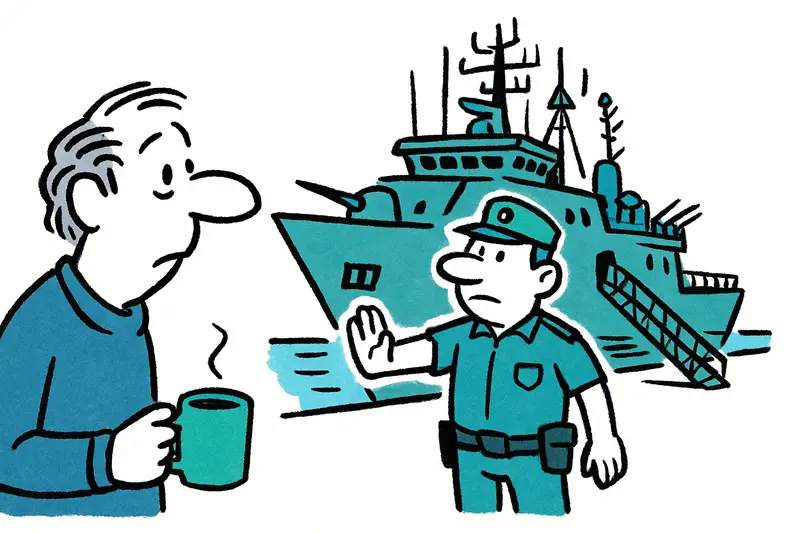
With a coffee in hand, seagulls screeching in the air and the usual morning traffic jam on the Paseo Marítimo, I stood on the pier and looked at the 82-meter-long Duque de Ahumada. Matt-gray superstructure, lots of antennas, low silhouette – functional, almost sober. At the edge, residents were waiting, two school classes with notepads and a few fishermen who wanted to know more than just technical data.
The guiding question
How much security does Mallorca need — and how much transparency should come with it? That was the question running through my mind that morning. The ship looks like a promise of faster responses to environmental emergencies and searches for people. At the same time, its presence raises questions that are just as loud on land: control, rights and public scrutiny.
What the ship can do — and what it signals
Onboard staff proudly explained surveillance radars, modern video technology and space for 44 crew members. The capacity figures are interesting: in addition to 12 passenger seats, there is room for up to 100 rescued people. This clearly shows that sea rescue and border control are not being thought of separately here. For some fishermen this means more security; for others it remains unclear how operations are carried out and which rules apply.
In conversations on site the topic of illegal migration and drug routes quickly came up. Activists handed out information flyers, pensioners called for more transparency, and parents with schoolchildren mainly saw an educational opportunity: technology, emergency services, the state explained live. Such encounters are important because the debate happens here, right in the harbor, even on a sunny morning.
Aspects that are rarely debated enough
Public viewings are a start. But there are aspects that are often overlooked: What data do the sensors collect, how long are they stored and who has access? How are priorities set when an environmental emergency and a rescue operation coincide? And not least: How is cooperation with civilian sea rescue organizations regulated?
Another point concerns the local fishing community. Nighttime inspections can make work easier — or they can burden it if rules and operation times are not transparent. There are conflict potentials here that are better defused in advance than in an emergency.
Concrete opportunities and proposals
Of course, a modern patrol ship is a gain for security. But so that this gain is broadly supported, I suggest some measures that can be implemented relatively quickly:
1. Public operation reports: Regular, understandable summaries of operations, without revealing operational details, would build trust. A short monthly or quarterly bulletin for the island community would make a big difference.
2. Transparency on data: Clear statements about which sensor and image data are stored for how long and who has access — that reassures citizens and protects rights.
3. Cooperation protocols: Agreements between the Guardia Civil, the coast guard, NGOs and fishing associations ensure clear procedures for sea rescue and environmental operations.
4. Joint exercises: Publicly visible training with local fishermen and aid organizations strengthens practice and mutual understanding.
5. School programs: The school classes on the pier show: education creates acceptance. Short workshops on board or harbor tours educate the next generation and provide contextual understanding.
What remains from the visit?
The gangway was open for only a few hours, but the conversation on the pier continued much longer. The island needs security — that is consensus. But security alone is not the full answer. If people here feel that technology, operations and data use are comprehensible, acceptance grows. If not, doubts and debates remain, which on days like this will continue anyway by the coffee machine on the Paseo Marítimo.
Anyone taking a walk tomorrow: the view of the sea, the small fishing boats and the ice cream shop on the corner make the harbor visit a piece of everyday life. And that may be the best memory: a big ship, yes, but the island lives from small encounters — and from the willingness to discuss the big questions openly.
Similar News

Palma Invests More in El Terreno: What the Renovation Will Actually Deliver
Palma has kicked off the upgrade of El Terreno: new sidewalks, more greenery and utilities moved underground — the city ...

Sóller: Fàbrica Nova to be comprehensively restored – Island Council takes over and invests millions
The decaying textile factory Fàbrica Nova in Sóller gets a new chance: the Island Council has purchased the building and...

Late-night racing on Avinguda Mèxic: residents demand quiet
In the Nou Llevant neighborhood, daily illegal car races on Avinguda Mèxic are causing fear and sleeplessness. Around 50...

Actions for the International Day Against Violence Against Women in Palma
Palma takes to the streets: Two rallies start in the evening, municipalities offer additional activities — and the bus c...

Many conferences pull out: Hotel prices make Mallorca unattractive for business travel
Several larger companies have moved events off the island. Too-high room prices and the lack of availability for short s...
More to explore
Discover more interesting content

Experience Mallorca's Best Beaches and Coves with SUP and Snorkeling

Spanish Cooking Workshop in Mallorca
