
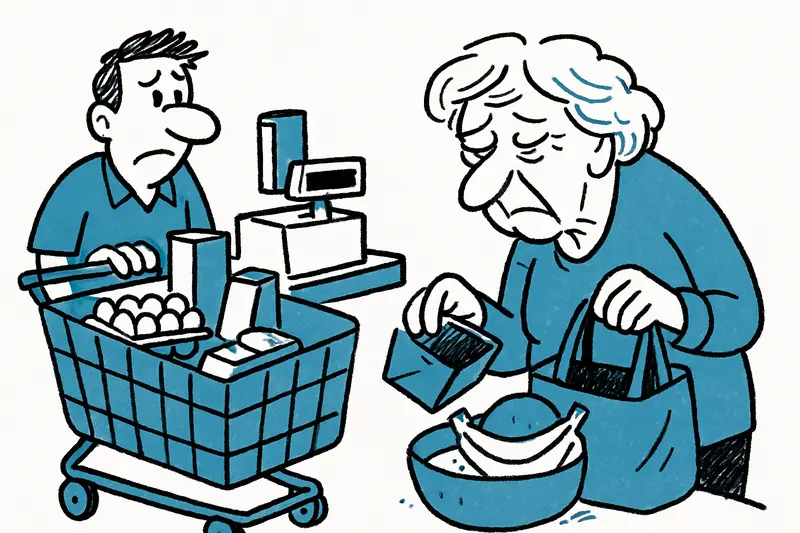
When the supermarket bill hurts: How expensive the weekly shop on Mallorca has become
Counting lemons twice, staring blankly at tins of coffee at the checkout: rising food prices on Mallorca are changing daily life and shopping — and exposing weaknesses that have so far been too little discussed.
The supermarket bill hurts: Prices rise, daily life tightens
Last week in front of the vegetable stall at the Santa Catalina market: an elderly woman holds a crate of lemons, counts them again and puts two fruits back. Such an image stays with you — it smells of citrus, vendors call out prices, children play on the pavement. Many island residents know this by now, as discussed in Why Food Is Noticeably More Expensive in Mallorca — and What We Can Do About It: the shopping list shrinks, calculating at the kitchen table becomes part of the ritual.
Key question: Who bears the burden of price increases?
The price rises are not a luxury phenomenon. Coffee, eggs, bananas and lemons have clearly gone up, as shown in Milk, Big Mac, Postage: Why Many Prices on Mallorca Hurt. At the same time, olive oil, sugar and some drinks show slight decreases — a drop in the ocean. For families on tight budgets, pensioners and commuters, such jumps are existential, as explored in Rising Cost of Living in Mallorca: Who Pays the Price?.
What is often overlooked: It's not only global commodity prices — as shown by the FAO Food Price Index — energy and transport costs, seasonal harvests, exchange rates, but also supermarket business models (promotions, assortment policies, own brands) interact. On Mallorca, tourism adds to this: demand and logistics effects intensify local price fluctuations.
Concrete consequences in everyday life
Those who used to shop twice a week now think it over three times. Portions become smaller, brands give way to no-name products, some forego small pleasures like chocolate or certain cheeses. In front of the small shop at the Plaça, neighbors discuss special offers, share shopping lists or arrange group buys to use bulk discounts. At the checkout in a branch on Passeig Mallorca, customers exchanged resigned looks — a typical Palma scene.
Aspects that receive too little attention
1) Regional supply chains: small farmers face higher costs for fertiliser and seeds. If they give up, prices for local fresh produce will rise in the long term.
2) Local competition: larger chains can run promotions, small shops get squeezed. That reduces variety in communities and drives up prices for fresh products.
3) Invisible burdens: time and transport costs for people in rural areas, lack of refrigeration at home and missing storage space change what is bought — usually cheaper but less fresh options.
What helps in the short term — and what could change things sustainably
Practical money-saving tips for everyday life: Come earlier to the weekly market (from 8 a.m. there are often cheaper goods and fewer price influences), look exactly at price per unit, try own brands, compare larger packages, ask about offers in neighboring towns and buy fruit seasonally. Freeze food, share with neighbors or organise stocks in communal refrigerators.
Political and community solutions: Targeted subsidies for needy households (food vouchers), strengthening local producers through short marketing chains, municipal support programs for market traders, sensitive price monitoring and transparent lists showing which products are particularly affected, based on the Spanish Consumer Price Index (INE). Small measures also help: extended market opening hours, coordinated collective orders for communities or municipal warehouses for staple foods.
A look ahead — using opportunities
The island has resources: local producers, lively markets and neighbourhoods that stick together. If you bring these forces together — through local politics, solidarity shopping initiatives and targeted support for small shops — supply security and price stability can be improved. It needs fewer big promises than pragmatic coordination.
Prices are not just numbers. They are decisions at the kitchen table: less coffee before the late shift, juice less often at breakfast, more planning. You feel it on every street from Palma to Pollença. If politicians only start watching, saving remains a private matter. Those who really want to can start here and now: strengthen markets, activate municipalities and promote neighbourhood networks — boring, practical, effective.
Frequently asked questions
Why has the weekly supermarket shop become more expensive in Mallorca?
Which everyday foods have gone up the most in Mallorca?
How can families save money on groceries in Mallorca?
Is shopping at Mallorca markets cheaper than buying everything at the supermarket?
Why are food prices especially difficult for pensioners and low-income households in Mallorca?
What can make food more expensive in rural parts of Mallorca?
What role do small local shops play in Mallorca’s food prices?
What can communities in Mallorca do to cope with rising supermarket prices?
Similar News

Near-miss on Lanzarote: Landing Ryanair Jet and Iberia Takeoff — what really went wrong
On Lanzarote there was a dangerous incident: A Ryanair flight (FR5910) from Dublin landed on runway 03 while an Iberia E...

Eurowings introduces new Premium Business seats on Mallorca routes
From December 1, selected Eurowings flights to Palma and other destinations will feature eight particularly generous sea...

Car on MA-13 near Inca in flames – a safety check for the island
A vehicle caught fire on the MA-13 towards Alcúdia on Tuesday afternoon. The driver was uninjured, the car was destroyed...

Real Estate in Mallorca: Fewer Buyers, Higher Prices — What's Behind It?
Sales on Mallorca are falling, yet prices continue to climb. Why fewer transactions do not equal relief — and what shoul...
Just Bought — Already Trouble: Water Damage in the Heiters' Villa and What Owners in Mallorca Should Know Now
A newly purchased sea-view property — and within days a water damage. What risks lurk in new properties in Mallorca, and...
More to explore
Discover more interesting content

Can Cap de Bou

Townhouse Lleo 72
