
Joan Aguiló: Portraits, Walls and the Real Mallorca
His nearly life-size portraits on house walls tell of neighbors, markets and everyday life — art that holds the island together.
Walls, People, Stories
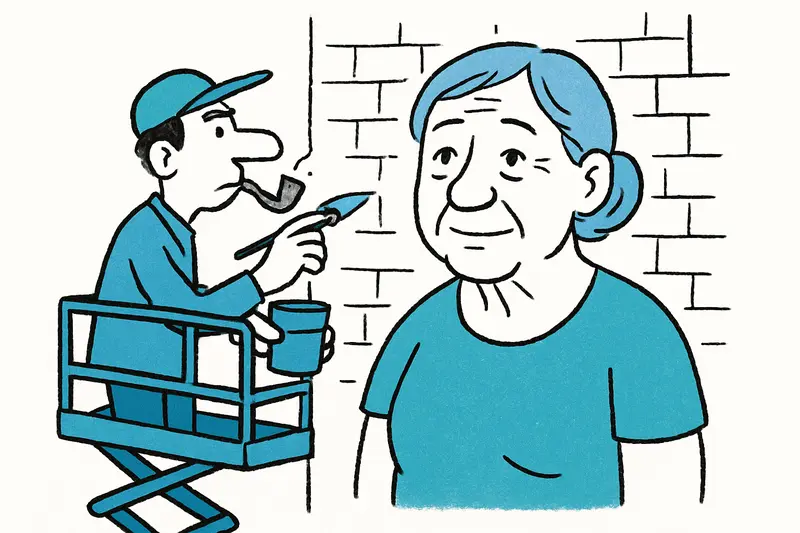
I first saw Joan Aguiló on a hot morning in Can Picafort, at half past nine, his hands still stained with paint, a pipe between his lips — that's how encounters stick. He speaks calmly, with the directness of someone who prefers to work rather than talk. His large-scale portraits often sit almost life-size on facades and look you straight in the face: old hands, market scenes, people with hair wet from the sea. No cosmetics, just everyday life — and that's exactly what makes them so striking.
From the studio to the street
The studio used to be his home. A year in Berlin changed a lot: Street art, communal murals, the energy when people stand together at a wall — he wanted to bring that home. Back in Mallorca, Aguiló moved his canvas outdoors. Today he needs cranes, lifts and sometimes a strong cup of coffee to tackle a wall. Depending on the weather, the permit situation and the temper of the local pigeons, a piece takes one to three weeks.
What stands out: his motifs remain Mallorcan. Not abstract concepts, but familiar faces, short quotes and stories you hear at the baker, in the harbor or at the Sunday market. His art is loud enough to be seen, but polite — like a big neighbor who quietly sits down and listens.
Saladina Festival and the "Anonymous Heroes"
Since 2016 Aguiló has organized the Saladina Festival in Can Picafort. The idea is simple: enhance facades, invite artists, turn the street into a gallery. From small conversations with locals the project "Anonymous Heroes" was born: Aguiló and his wife visit villages, talk to people, collect stories and then paint those who hold everyday life together. Not the mayors, but the woman who unlocks the community center every morning. Not the celebrities, but the neighbor who always helps.
The portraits now stand in 13 municipalities across various countries — from Spain to Italy and even India. Each image is often accompanied by a short text, sometimes an anecdote contributed by his wife or a local author. This way the wall becomes a small monument and the neighborhood's voice.
More than just an image
Aguiló thinks further: in Lloret de Vistalegre he and a colleague built a luminous wooden tree in the library — light fabric panels, light inside, mats to rest on. An invitation to lie down, open a book or simply while away the afternoon. Such small installations show that he cares about the community, not just about a nice photo for social media.
Money occasionally comes from sponsors — not a bad thing, because materials, lifts and logistics cost; more detailed discussion appears in When Pictures Lie: Why Mallorca's Art Market Must Rethink Now. More important to Aguiló, however, is the audience: people who stop, who laugh, talk or share memories. Only then does a mural truly come alive.
Why this is good for Mallorca
At a time when the island is often perceived as a postcard motif, such works put people back in the foreground. They create identity, talking points and small cultural islands in residential areas, beyond Joan Miró takes Palma by storm: A summer of color, form and island magic. For residents this means: fewer monotonous facades, more recognition. For visitors a different kind of discovery — quiet, local, honest. And for urban planning, street art is a cost-effective way to increase quality of life when municipalities approve, support and cooperate with schools and clubs (When Doors Are Bricked Up: Reina, Luna and the Escalating Housing Crisis in Palma).
A few ideas that could strengthen Aguiló's approach: stable funding lines for cultural projects in small towns, cooperation with schools (art lessons on the wall), and transparent permit processes so ideas don't fail due to bureaucracy.
Looking ahead
Aguiló remains experimental but rooted. Between Can Picafort, Palma and smaller places you can see his signature: strong brushstrokes, respectful portraits and sometimes in the evening the sound of a ladder scraping against a wall while the neighbor's cat meows. When he laughs — usually with paint stains on his knees — you believe him that it's really about the people.
Next time you stand in front of a large wall: pause for a moment, listen to the place. Often there's a story behind the image and perhaps a neighbor you would never have met otherwise.
Frequently asked questions
What makes Joan Aguiló’s murals in Mallorca different from other street art?
How long does it take to paint a mural in Mallorca?
Why did Joan Aguiló start painting on walls instead of on canvas?
What is the Saladina Festival in Can Picafort?
Where can you see Joan Aguiló’s murals in Mallorca?
What is the Anonymous Heroes project in Mallorca?
Is street art in Mallorca only about decoration?
How should you react when you come across a mural in Mallorca?
Similar News
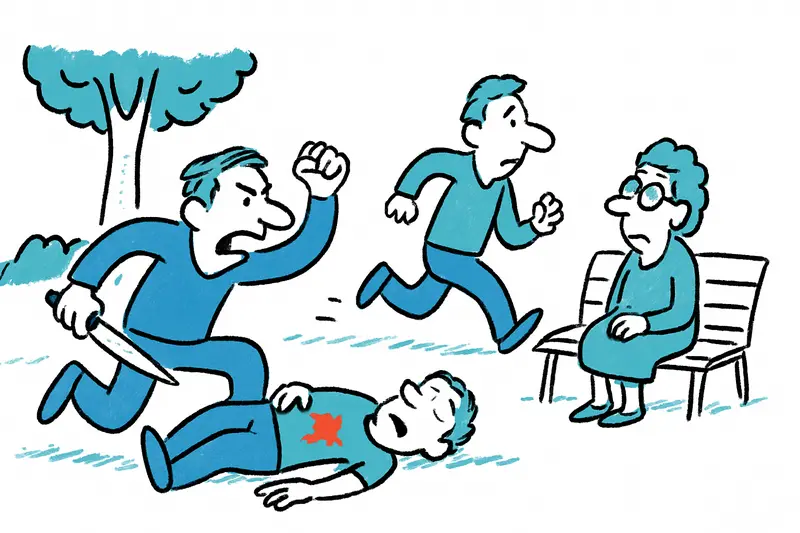
Bloody clash in Canòdrom Park: What is missing in addressing violence on Mallorca's streets?
At midday on October 23, an 18-year-old man was critically injured in Canòdrom Park in Palma. The attack raises question...
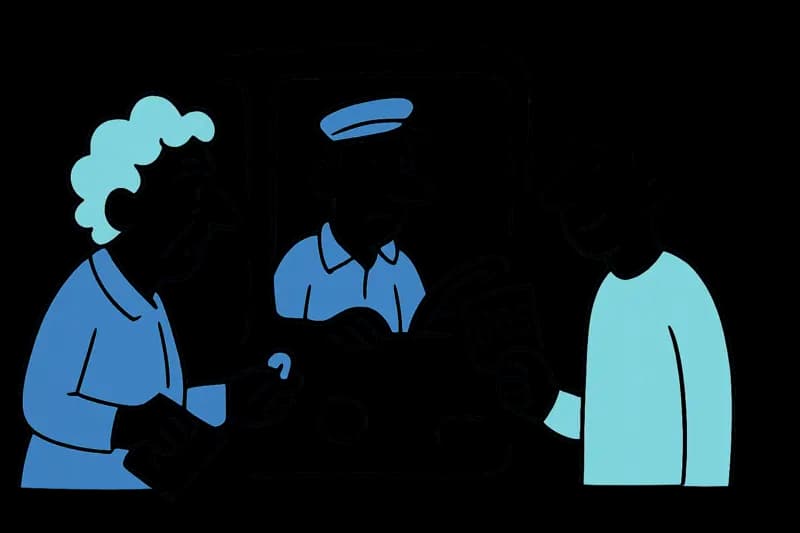
Palma raises bus fares: Who pays the bill for public transport?
Single tickets rise from €2 to €3, airport trips have a reference price of €4.50. It remains unclear whether residents w...
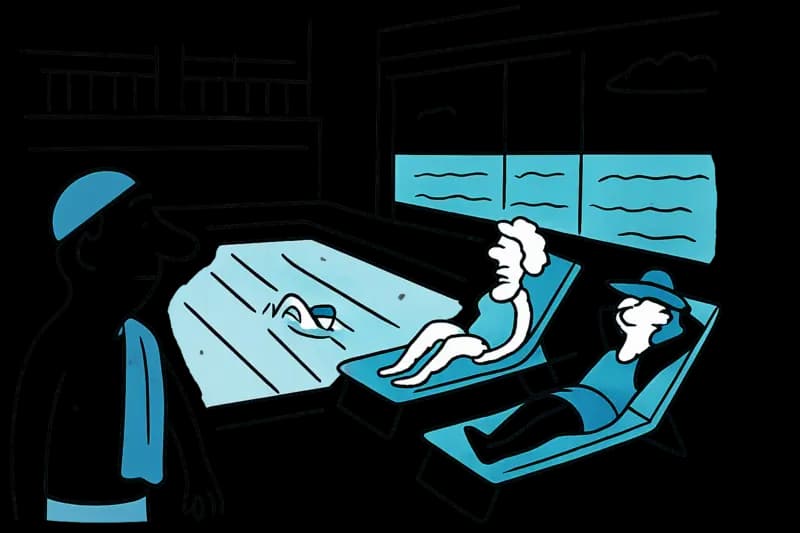
Palma's New Indoor Pool: Sea View, Sunbeds and Space for Everyone
At Aigua Dolça, near the Paseo Marítimo, Palma has a new municipal indoor pool. For a small fee people can now train, re...
How Four Burglars Emptied Ten Houses with a Simple Trick — and What It Means for Mallorca
Four men used the impressioning technique, posed as delivery workers and accepted two years in prison. A reality check f...
Bundles of Drugs, Containers and Open Questions: A Reality Check for Mallorca
3.3 tonnes of marijuana, 80 kilos hidden in golf-ball vending machines and a 44-year-old German released on conditions i...
More to explore
Discover more interesting content

Can Cap de Bou

Townhouse Lleo 72
