
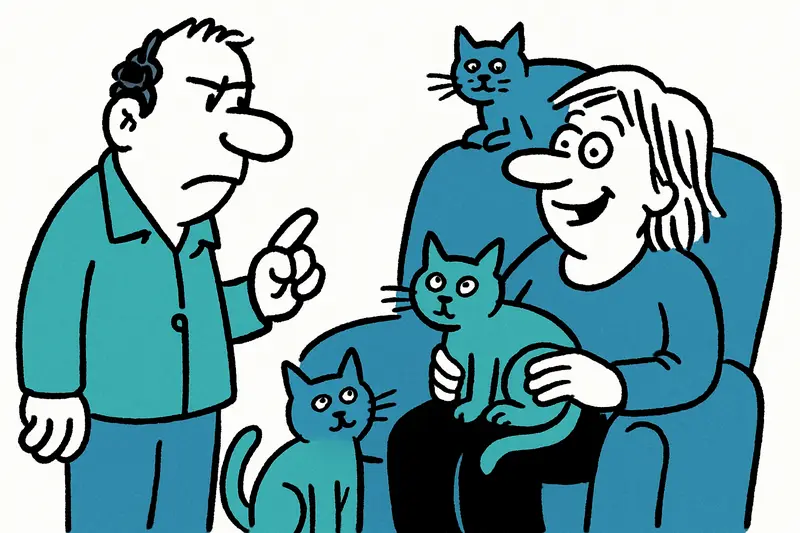
Llubí sets limits — and raises questions: Three animals per apartment, neutering for outdoor cats
Llubí has new rules: a maximum of three pets in rental apartments and five in single-family homes; outdoor cats must be neutered. The ordinance pursues pragmatic goals but also raises practical and social questions.
Llubí sets limits — and raises questions: Three animals per apartment, neutering for outdoor cats
On the Plaça of Llubí, where the afternoon siesta still coincides with the church bells and the boules players loudly argue about the next shot, a new law has been in force since mid-October. (Llubí establece límites para mascotas: oportunidades, problemas y preguntas sin respuesta) The town council has decided: From now on, rental apartments may keep at most three pets, single-family homes up to five. And cats that are allowed outdoors must be neutered.
The guiding question behind the decision is clear: How can animal welfare be reconciled with peaceful coexistence in a densely built village like Llubí? On paper this reads like a pragmatic answer to problems. In reality, neighborhood fears, decades-old habits and animal welfare ideas collide — and that provides plenty of discussion along the Calle Major and in front of the Ajuntament.
Why these rules?
The town hall names concrete triggers (Llubí propone una nueva protección animal: máximo tres mascotas en viviendas y castración obligatoria de los gatos): uncontrolled reproduction of cats, nighttime noise, torn rubbish bags caused by stray dogs and overwhelmed residents. Anyone who goes to the market in the morning smells the fresh bread and often hears complaints about lost quiet or roaming animals. A regular at the café sums it up: “Finally someone does something, otherwise it will get out of hand.”
At the core is the neutering requirement for outdoor cats. The aim is to stop uncontrolled breeding and to reduce the burden on animals and the municipality in the long term. The idea is: fewer kittens, fewer colonies, fewer conflicts.
What the debate hardly addresses
Between the good intentions, however, lie many unresolved questions. Who checks whether a holiday guest brings their two tomcats? How do you deal with multi-pet households that have existed for years? Who pays for neutering for people with low incomes? And what if landlords use the new rules to ban pets altogether?
Particularly overlooked are the volunteers who for years have organized feeding spots and care for cat colonies. Without clear guidelines for trap–neuter–return (TNR) programs, there is a risk of a patchwork of actions without central aftercare. The topic of microchipping and registration was only touched on, but remains central: without identification, enforcement can quickly become arbitrary and ineffective.
Concrete opportunities instead of mere bans
Llubí has the opportunity to make more of the ordinance than just a prohibition. Accompanying measures are needed so that animal welfare works in a socially acceptable way. Proposals that should be discussed locally include:
Subsidized neutering campaigns: Mobile clinics or discount schemes with local veterinarians, limited in time and visibly advertised — this reduces cost barriers and builds acceptance.
A simple pet registry: A local register with chip checks for longer stays brings transparency. Holiday guests could be temporarily registered instead of being subject to constant checks.
Targeted education: Workshops in schools, information booths at the weekly market, flyers in the cultural center — when people understand why neutering and registration are important, resistance decreases.
Coordination of volunteers: Recognized feeding points, a municipal coordinator and clear procedures for TNR actions prevent chaotic lone efforts. Volunteers need support, not suspicion.
Socially graduated sanctions: Warnings, mandatory counseling, hardship exemptions and only then fines — this keeps the rule enforceable without punishing socially weaker households.
What next?
The ordinance is a beginning, not an end. In the coming weeks the official gazette will name fine amounts, and practical implementation will decide whether Llubí can become a model for responsible animal welfare or just another regulation that increases tensions.
One thing is important: regulation alone is not enough. Those who want to keep animals responsibly need access to information, medical care and, if necessary, financial support. The benches on the Plaça lie in the sun, somewhere a courtyard cat meows for its freedom — Llubí has pointed a direction. Whether this becomes a practical, humane model now depends on the pragmatism of the town hall and the engagement of the neighbors.
Frequently asked questions
What are the new pet rules in Llubí?
Why has Llubí introduced limits on pets and cat neutering?
Do outdoor cats in Llubí have to be neutered?
How many pets are allowed in a home in Llubí?
Will Llubí check pet registrations and microchips?
Who pays for neutering outdoor cats in Llubí?
How could Llubí support responsible pet owners under the new rules?
Could the new pet rules in Llubí lead landlords to ban pets?
Similar News

Rental Car Theft in El Arenal: What This Incident Reveals About Our Gaps
A teenager steals a running rental car in El Arenal, flees on foot, climbs over walls and is caught by the Guardia Civil...

Red Rope in Palma's Library: What Helps Against Selfie Tourism — and What's Missing
Palma's city library cordoned off an area with a red rope to keep selfie tourism away from reading and working activitie...

Fort San Carlos: Museum, Harbor Dispute — and a Conflict That Demands Answers
The military museum at Fort San Carlos sits right on Palma's harbor, with unexpectedly quiet rooms filled with cannons a...
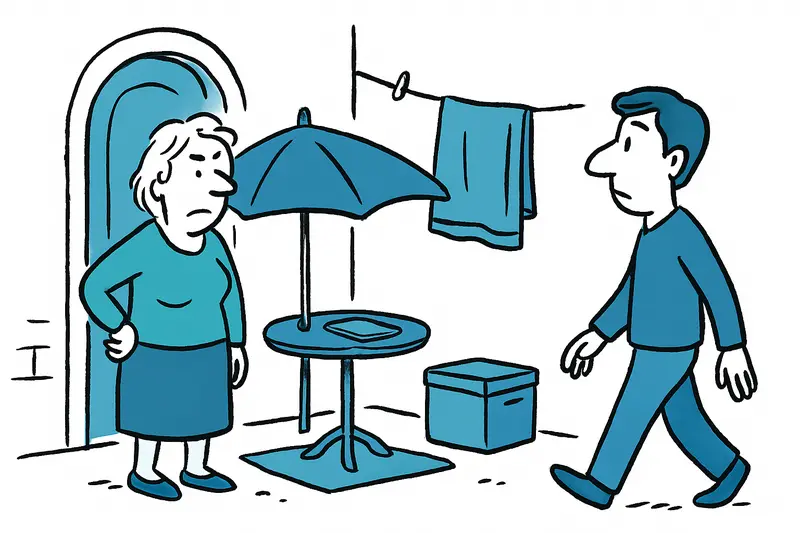
Old Town Under Pressure: When a Doorway Becomes a Sleeping and Shower Place
For months a woman has been living with a parasol, a clothes rack and personal belongings next to the social welfare off...

When Shopping Weighs Heavier: Mallorca Demands a Tax Pause on Food and Fuel
Rising prices are putting pressure on households and agriculture. The Balearic Islands are calling for temporary tax rel...
More to explore
Discover more interesting content

Can Cap de Bou

Townhouse Lleo 72
