
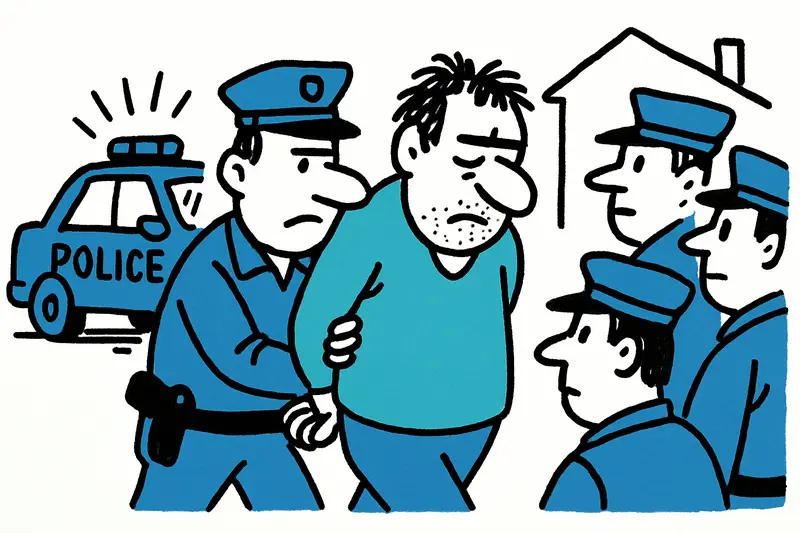
Major raid in Son Banya: Arrest of the alleged drug boss — and then?
Early morning, helicopters, apartment searches: In a major operation in Son Banya an alleged mastermind of the drug trade was arrested. The arrest is a step — but will it hit the system or merely patch a gap?
Early morning, heavy police presence: A neighborhood in a state of emergency
It was still dawn when helicopter lights cut across Son Banya and the first patrol cars turned into the narrow alleys. Dogs barked, radios crackled, and the smell of strong coffee came from open doors. Some neighbors stood in jackets on the street holding cups, others smoked nervously. The operation began shortly after six, several residents recalled — an early wake-up call for a neighborhood that, by its own account, is long accustomed to more dramatic scenes.
Arrest of a central figure — what do we know?
The Guardia Civil reported the arrest of a man who investigators consider a key figure in the drug trade around Son Banya. Five people were provisionally detained in total, and several apartments and houses were searched. Official details on specific allegations remain sparse; investigators emphasize these were targeted measures against an organized structure. Further information on this case can be found in our article about the arrest.
For many in the neighborhood the operation was nonetheless a rare visible triumph: suitcases, boxes and large plastic bags were carried away by officers, doors were opened, drawers rummaged through. And yet the question hung in the air: Is the police really attacking the structure — or only individual cogs?
The quiet side of the raid
Little noticed in initial reports is this: without solid evidence, investigations do not hold up long. In Son Banya many apartments are occupied under peculiar ownership arrangements and there is constant turnover. Who pays the rent? Who has the keys? And to what extent are local conditions part of a larger system — from money laundering to supply chains — that does not hinge on a single person?
The central guiding question therefore is: Will the arrest of this alleged ringleader lead to lasting change — or does it only clean up symbolically at the surface?
Risks after the arrest
When a central figure is arrested, gaps appear. These are often quickly filled by successors or competing groups. Experience from similar cases shows: in the short term there can be shifts in power and even violence as new actors compete. At the same time there is a chance to obtain important information — provided investigators secure evidence promptly and methodically clarify connections. This pattern was visible in a major raid in Palma and Son Banya.
What must be publicly discussed
Two points often fall by the wayside in the debate: first, the social vulnerability of the neighborhood. Son Banya is not a criminal myth but a place where people live — with neighbors, children and people who work or try to find work. Second, the link between police law enforcement and social prevention is often missing. Without offers for training, secure housing and therapy the problem repeats itself. A comprehensive approach is also discussed in our article on powerful networks.
Concrete opportunities and approaches
A few pragmatic steps could usefully complement the current operation:
1) Transparency and rapid information: Authorities should provide clear details on search targets, evidence found and further procedures so rumors do not gain the upper hand.
2) Protection of residents: Evacuations, witness protection and psychosocial support after police actions are necessary — residents must not feel caught between fronts.
3) Combination of prosecution and prevention: Alongside investigations, programs for job placement, school and youth work, and additional therapy places must be expanded.
4) Property and financial investigations: Who owns the houses? How does money flow? Property structures and informal networks are often part of the problem — that must be clarified. New raids in Mallorca could bring further progress here, as explained in our current reports on the new raid in Mallorca.
5) Regional cooperation: Drug flows do not stop at police cordons. Cooperation between municipalities, financial authorities and neighboring provinces is central.
Looking ahead: a possible scenario
If the Guardia Civil succeeds in securing solid evidence and the judiciary provides transparency quickly, the arrest could be a step that has consequences: investigations reach deeper, the infrastructure of the groups is hit and court proceedings bring clarity. If that does not succeed, only a short breather threatens — and the usual routines return.
For the people in Son Banya the hope remains for more safety and normality. Many are breathing a short sigh of relief now, some fear repercussions. The city must now deliver: not just with police presence, but with a plan that combines prevention, legal certainty and social prospects.
Note: The investigations are ongoing; official statements may provide further details. We will continue to follow and report on arrests, charges and possible structural consequences.
Frequently asked questions
What happened during the police raid in Son Banya, Mallorca?
Was the alleged drug boss in Son Banya arrested?
What happens in Son Banya after a major drug arrest?
Why is Son Banya often linked to drug raids in Mallorca?
Can a police raid in Mallorca actually stop drug networks?
What is life like for residents in Son Banya during a police operation?
What should Mallorca do after a raid in Son Banya?
Will there be more arrests after the Son Banya operation?
Similar News
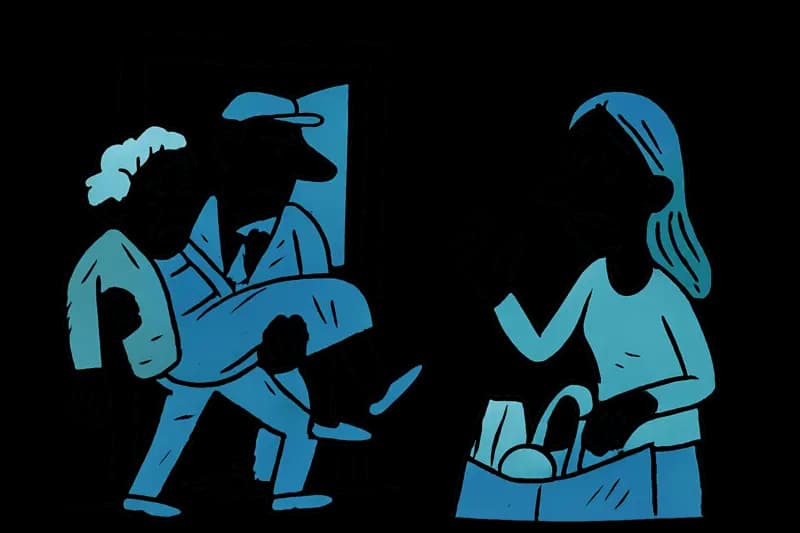
When Housing Becomes a Matter of Survival: Mallorca Between Rental Frenzy and Everyday Life
The case of 87-year-old Maricarmen showed that on Mallorca many people's lives are poised between affordable and uninhab...
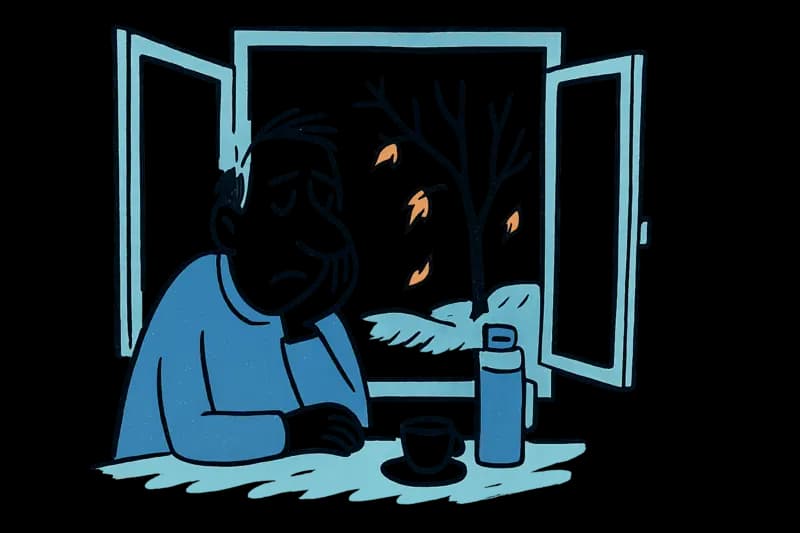
Autumn in Mallorca: When Melancholy Gets a Window
Why autumn quietly tightens here — and how to make use of the mood: walks, culture, candles and the light from Palma to ...
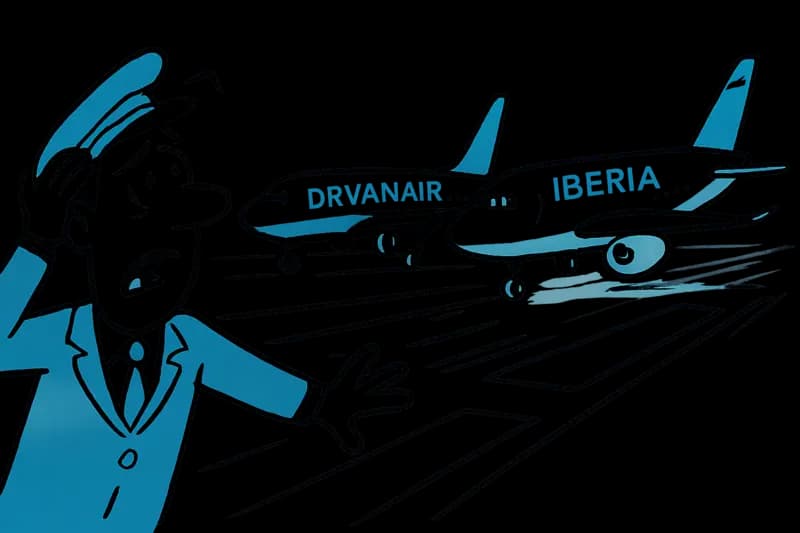
Near-miss on Lanzarote: Landing Ryanair Jet and Iberia Takeoff — what really went wrong
On Lanzarote there was a dangerous incident: A Ryanair flight (FR5910) from Dublin landed on runway 03 while an Iberia E...
Eurowings introduces new Premium Business seats on Mallorca routes
From December 1, selected Eurowings flights to Palma and other destinations will feature eight particularly generous sea...
Car on MA-13 near Inca in flames – a safety check for the island
A vehicle caught fire on the MA-13 towards Alcúdia on Tuesday afternoon. The driver was uninjured, the car was destroyed...
More to explore
Discover more interesting content

Can Cap de Bou

Townhouse Lleo 72
