
Mallorca's Streets Are Growing Longer: Why More Than 800 People Are Homeless and Nothing Solves It by Itself
More than 800 people now sleep on Mallorca's streets. Between short-term rentals, empadronamiento hurdles and seasonal work, permanent fracture points emerge. Why the island cannot simply look away — and which solutions are possible now.
When the island breathes, not everyone breathes the same: More than 800 people without shelter
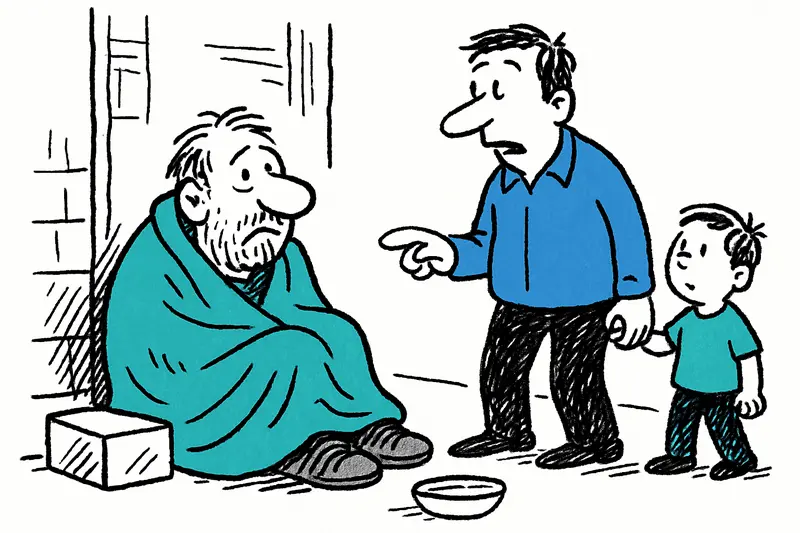
On a cool morning in Palma, shortly after the bakery on the Passeig rings its first bell and the scent of freshly baked ensaimada drifts through the air, sleeping bags lie on the benches along the Paseo Marítimo. In front of S’Escorxador, in doorways and at bus stops, blankets rustle in the wind. Aid organizations count more than 800 people who regularly sleep outdoors or in emergency shelters, as reported in Palma and the Growing Number of Homeless People. For locals this is not an abstract problem, but an everyday sight: the contrast between tourists who come and go with the seasons, and people who stay — often without a roof over their heads.
Key question: Why is homelessness growing on an island that teems with life?
The answer is not a single event but a clockwork of many parts: tight housing markets, rising rents, the lure of holiday rentals, as discussed in When Living Rooms Become Bedrooms: How Mallorca Suffers from a Housing Shortage, low seasonal wages, complicated administrative procedures. On top of these known factors are two often overlooked brakes: the Empadronamiento — the resident registration — as a key criterion for assistance, and the seasonal conversion of housing when apartments are temporarily turned into holiday rentals. Without an entry in the population register, people are excluded: no housing, no benefits, no healthcare — a vicious circle.
At the same time you hear everyday sounds on the street that are so typical: the clinking of coffee cups in the corner café, the church bell on the hour, the sound of the sea from the harbor. Mixed in is the quiet, sometimes desperate call for help. Those affected are by no means only the unemployed: waiters, chambermaids, seasonal construction workers, single parents, small pensions — jobs that do not automatically mean protection.
The little-noticed dynamic: seasonal displacement and administrative hurdles
In high season prices explode temporarily: landlords switch from long-term leases to more profitable holiday rentals. Those who were already on the edge are pushed out. This seasonal up-and-down creates an additional, recurring wave of people losing their homes. And even if help theoretically exists, paperwork and bureaucracy prevent quick solutions: no address, no access to social services, and therefore no stable perspective.
Health and mental health problems as well as the lack of low-threshold services worsen the situation. For many, the street is not a temporary place but an environment in which social ties, self-worth and health slowly erode. This trend is explored in Sky-high prices, tents, empty promises: Why Mallorca's housing crisis is no longer a marginal issue.
Why current aid is not enough — and what must change immediately
Voluntary warming centers, soup kitchens and mobile street workers do incredible work. But voluntary engagement cannot permanently fill state gaps. There is a lack of coordination: municipalities often act alone, data are fragmented, transitional offers are time-limited. Without joint action much remains piecemeal.
In the short term, simple steps are possible: low-threshold emergency shelters with clear access rules, mobile teams that reach people where they are, a central point for Empadronamiento and the allocation of emergency housing, and a hardship fund for rent arrears. These measures cost money — but they are cheaper than the long-term consequences of excluded people.
Structurally, more courage and regulatory pressure are needed: a mandatory vacancy registry that makes seasonally free apartments transparent; incentives for landlords to return to long-term rentals; and binding social housing quotas for new constructions. State-subsidized cooperation with hotels outside the season is also conceivable, to offer temporary, supported housing for staff and people in need.
Innovation can start small: pilot projects with modular apartments, simplified application procedures for benefits, or a digitally supported placement service could quickly relieve pressure. It is important to link accommodation offers with social counseling, healthcare and housing market integration.
What citizens can do — and why it is more than charity
Help begins in small ways: volunteering in warming centers, reporting vacant apartments, donating goods for cold nights. But political pressure also matters: municipalities, citizens' initiatives and local businesses must speak up so that measures do not vanish into administrative drawers. A call to the local advice center, reporting an acute case or supporting initiatives can make a difference.
The number 800 is more than a statistic. These are people who feel the same sea wind as the visitors on the promenade — only without a safe roof. Mallorca can do better: if the island cooperates now, shares data and uses creative transitional solutions, it will gain long-term social stability and quality of life. And that sounds less like charity and more like an investment in the island's future.
Frequently asked questions
Why is homelessness increasing in Mallorca?
What does Empadronamiento mean for homeless people in Mallorca?
Are homeless people in Mallorca only unemployed?
Why do people in Mallorca lose housing during the tourist season?
What help is available for homeless people in Palma, Mallorca?
Why is it hard to solve homelessness in Mallorca quickly?
What could Mallorca do to reduce homelessness?
What can residents do if they want to help homeless people in Mallorca?
Similar News
The End of the Cheap Ride? Why Mallorca Is Hit Harder by the Fuel-Price Shock
Gasoline and diesel average close to two euros per liter. What this means for commuters, supply chains and renters in Ma...
Relaxed liquid rules in Munich: What Mallorca travelers will notice
At Munich Airport the 100-milliliter rule will be lifted at all checkpoint lanes — thanks to new CT scanners passengers ...
For 45 Years on Mallorca — and Then This: How a Market Visit in Santa Ponsa Became a Lesson
A woman who has lived on the island for decades lost money and important documents at the Mercat Setmanal in Santa Ponsa...
10 percent surcharge on the beach: How legal and transparent is the extra charge at Playa de Muro?
A German part-time resident noticed days after a restaurant visit in Playa de Muro that the bill included a flat ten per...
Body near the Llevant Market: What this death says about our city
A man was found dead on Sunday afternoon near the Llevant Market. Police say the death appears natural. The scene raises...
More to explore
Discover more interesting content

Can Cap de Bou

Townhouse Lleo 72
