
Palma steps up: More cameras, drones and the big question of privacy
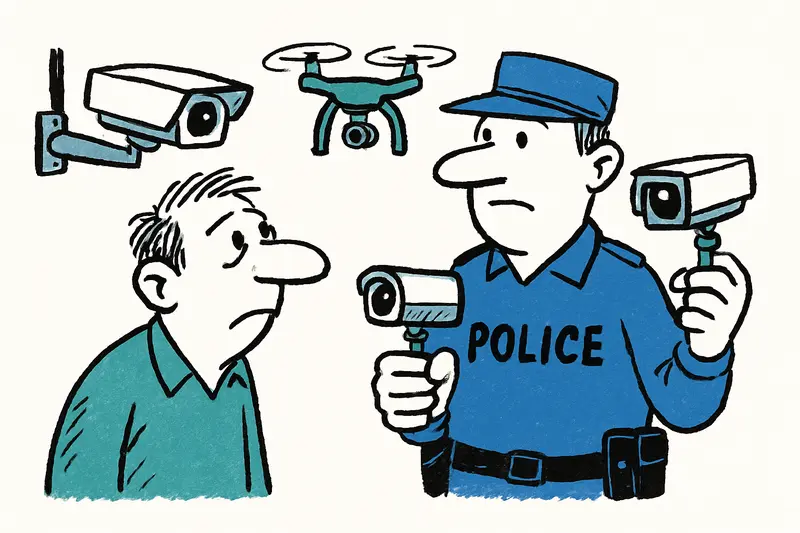
The city of Palma is investing in 13 cameras, AI licenses and a drone unit. What sounds like modern protection raises fundamental questions: does technology really protect—or does it make us all transparent? A look at opportunities, risks and the concrete rules that are currently missing.
More technology, more order – or just more eyes?
Behind the scenes Palma is upgrading: 13 new cameras, 13 licenses for video analysis and AI, a newly formed drone unit and additional equipment for the police. The numbers are concrete: around €138,718 for the surveillance system, almost €101,120 for uniforms and protective gear. The timeline feels ambitious – two months until the cameras should be in place. The Tramontana blows along the Passeig, a kiosk owner at Plaza de España still sells his first café con leche, and yet a new question hangs in the air: will this make our neighborhoods safer — or only more visible?
The key question
The central question is: will the new technical measures increase the actual safety of people, or will Palma slowly turn into a city with ever more eyes that are not always told who is watching, when and why? This is not a purely technical issue; it concerns trust, rules and everyday life – from the student studying at the station to the shop assistant at the Plaça who prefers to work quietly at night.
What often matters in the debate – but is rarely said
Public discussion quickly focuses on numbers and effects: less noise, less vandalism, faster responses. Less attention is paid to technical and organizational details that determine whether surveillance protects or harms. Who programs the AI algorithms? Where are the recordings stored? How long do they remain accessible? Who is allowed to view them? And: will sensitive areas like private balconies or childcare facilities be technically masked?
There is also the risk of false alarms. Algorithms can detect crowds – but not always the context. A wedding photo, a demonstration, a street theatre performance: all potential “events.” That leads to unnecessary interventions and undermines trust.
Opportunities – if the technology is used wisely
Used correctly, technology can help: faster assistance in incidents, relieved patrols, better traffic management. Drones can be lifesaving in searches or at large events. Cameras at critical points can have a preventive effect if it is clear who has access to the images and how long they are kept.
But these opportunities come with conditions. Transparency, clear rules and independent controls are not additional hurdles—they are prerequisites.
Concrete proposals for Palma
Instead of leaving the debate to technical approval alone, the city administration and police should put the following steps on the agenda immediately:
1. Public usage policy: Publish when and for what purposes cameras and drones may be used. Time limits and purpose binding are important.
2. No facial recognition: As long as the legal and ethical framework is unclear, biometric pattern recognition should be excluded.
3. Data minimisation and retention periods: Store recordings only as long as they are needed for a specific incident. Standard deletion after defined days, exceptions only by court order.
4. Independent oversight: A civil-society body reviews deployments, complaints and technical updates – with an annual report for the public.
5. Transparency portal: A public map shows where cameras are located, which drone flights are planned and which algorithms are used.
6. Local tests and evaluation: Pilot phases of six to twelve months with quantitative and qualitative assessments before the technology is expanded.
Conclusion
In the Parc de Ses Estacions you can hear the footsteps of late strollers and see the streetlights flicker in a sea of palm light. More presence can be beneficial—especially at night. But security must not become a blank check for unlimited surveillance. Palma faces an opportunity: technology can help, but it must be bound to strict rules. Otherwise the city risks becoming, if safer, also less free. A bit of skepticism is healthy; a transparent roadmap would be better.
Frequently asked questions
Are more cameras in Palma likely to make the city safer?
How is video surveillance in Palma supposed to protect privacy?
Will drones be used by the police in Palma for everyday patrols?
What are the main privacy concerns about new cameras in Palma?
Why do people worry about false alarms from AI cameras in Palma?
What kind of oversight should Palma have for cameras and drones?
What should residents in Palma expect during the new camera rollout?
Could surveillance also help at Palma’s busy public places like Plaza de España?
Similar News
First Day, First Consequences: What Palma's Rent Freeze Really Means
A new decree stops a planned eviction in Palma — but what really changes for tenants and landlords? A reality check with...
When Housing Becomes a Matter of Survival: Mallorca Between Rental Frenzy and Everyday Life
The case of 87-year-old Maricarmen showed that on Mallorca many people's lives are poised between affordable and uninhab...
Autumn in Mallorca: When Melancholy Gets a Window
Why autumn quietly tightens here — and how to make use of the mood: walks, culture, candles and the light from Palma to ...
Near-miss on Lanzarote: Landing Ryanair Jet and Iberia Takeoff — what really went wrong
On Lanzarote there was a dangerous incident: A Ryanair flight (FR5910) from Dublin landed on runway 03 while an Iberia E...

Eurowings introduces new Premium Business seats on Mallorca routes
From December 1, selected Eurowings flights to Palma and other destinations will feature eight particularly generous sea...
More to explore
Discover more interesting content

Can Cap de Bou

Townhouse Lleo 72
