
Phone Scam by Call: Why the Scheme of Alleged Spain Transactions Also Affects Us in Mallorca
Phone Scam by Call: Why the Scheme of Alleged Spain Transactions Also Affects Us in Mallorca
A young man in Rheine lost several thousand euros after a call in which scammers posed as bank employees. What the police advise, what is often missing — and how you can specifically respond here in Mallorca.
Phone Scam by Call: Why the Scheme of Alleged Spain Transactions Also Affects Us in Mallorca
Leading question: Is hanging up enough, or do we need a different security mindset on the island?
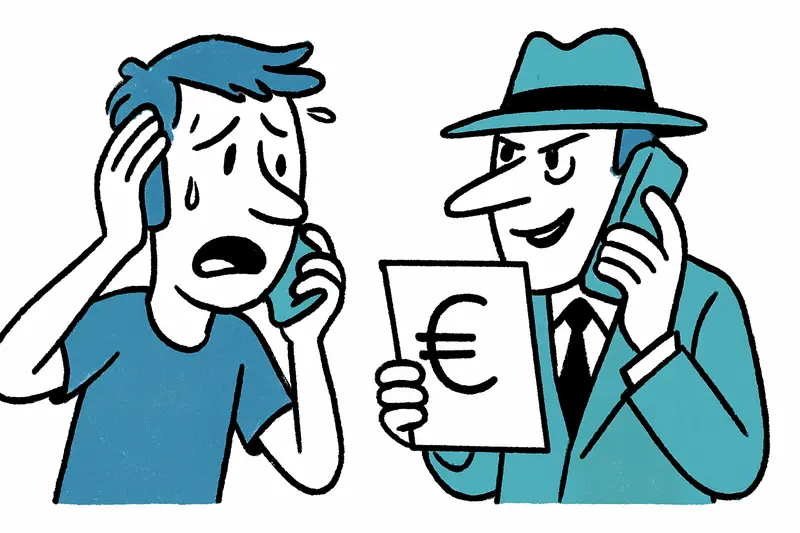
In North Rhine-Westphalia a 26-year-old fell for a well-known but effective method: on the phone an offender posed as a bank employee and claimed that unusually large withdrawals were being attempted from Spain. The person called confirmed a transaction via push-TAN — and then lost several thousand euros. The police in Steinfurt confirmed the incident and strongly warn against such calls; exact damage figures were not disclosed, and local coverage warns that similar methods target Mallorca residents in a report on telephone scams involving alleged transactions from Spain.
The story happened in Rheine, but the mechanics are the same we hear here in Mallorca on the Paseo Mallorca, in the café at Plaça Major or at the Santa Catalina weekly market: a call, nervousness, a brief moment of uncertainty. Anyone can find themselves in such a situation, not only older people. The clatter of a coffee machine, the murmur of voices, the hurried steps of a delivery person — such everyday noises give offenders the perfect background to exert pressure. Local coverage has also highlighted other schemes on the island, including an alleged handyman fraud in North Mallorca.
Critical analysis: Why the warnings often come too late
On site, between German and Spanish banking standards, a dangerous grey area emerges: fraud attempts with an alleged Spain connection sound plausible because many island residents, second-home owners and tourists regularly make cross-border payments. The scammers exploit exactly this trust. Technically, it usually runs via social engineering: number porting, caller ID spoofing or simply pretending to have plausible authorization. Banks say they do not call for sensitive TANs — nonetheless people fall for it. Why? Because the pressure to act within seconds works.
What is often missing in public discourse: the responsibility of telecommunications providers and banks to actively close attack vectors. There is a lot of talk about user education, but less about proactive blocks, secure authentication methods and clear, easily reachable verification channels. For context on law enforcement responses to cross-border schemes, see reporting on three arrests in Mallorca over alleged international bank fraud.
What's missing in the debate
1) The cost issue with cross-border chargebacks often remains unanswered. When money has already arrived abroad, recovery attempts are lengthy. 2) There are too few concrete case numbers, so the public underestimates the scale. 3) Awareness campaigns often fail to reach younger people, who are mobile and distracted — yet they are highly active online and by phone.
Concrete protective measures for Mallorca residents and visitors
Short-term: Hang up if someone on the phone asks for a TAN, PIN or remote-access software. Call your bank using the official number on your card or the bank's website. Inform the police — on Mallorca that would be the Policía Local or Guardia Civil — and your bank immediately.
Mid-term: Set limit settings with your bank, use app-based authorizations instead of SMS/push-TAN, enable card limits for foreign transactions and check regular account notifications. Do not install remote-access apps at the instruction of a caller. Use caller ID filters and report fraudulent numbers to your provider.
Long-term the island's politics need clear approaches: better cooperation between banks, telecom providers and police, mandatory notices for suspicious cross-border payments and nationwide campaigns that also address tourists. For us in Palma that could mean placing information flyers at exchange offices, boat charter companies and hotel receptions.
Everyday scene
In the morning, when I pick up a takeaway coffee at the Santa Catalina market, I often hear conversations with a German accent. Guests ask vendors about opening hours, families discuss plans for the day. In such a moment a sudden call can be enough to break attention. A calm moment, a quick hang-up and a callback via the bank's official number — that can prevent a wallet suddenly being emptied.
Concrete steps after a fraud
1) Contact the bank immediately via the known number and have the account blocked. 2) File a police report and keep evidence ready (bank statements, time of the call, phone numbers). 3) For foreign transactions, ask the bank to initiate inquiries and request alternative written communication. 4) Inform family and neighbors so the knowledge spreads quickly.
Pointed conclusion
Hanging up is enough — but only if followed by smart action. Scammers thrive on speed and uncertainty. Those who protect themselves in advance (use secure authentication, set limits, be suspicious of unexpected calls) and verify via the real bank when in doubt significantly reduce the risk. The island can do more: visible information, closer coordination among authorities and technical hurdles for offenders. Until then it remains the responsibility of each individual to be more vigilant.
Frequently asked questions
How do phone scams about suspicious Spain transactions work in Mallorca?
What should I do if someone calls me about a bank problem in Mallorca?
Can banks in Spain or Mallorca ask for a TAN by phone?
Why are phone scams with Spain references believable for Mallorca residents?
How can I protect my bank account from phone fraud in Mallorca?
What should tourists in Mallorca know about phone scams and fake bank calls?
What should I do if I already approved a fraudulent payment in Mallorca?
Where can Mallorca residents report suspicious scam calls?
Similar News
When Housing Becomes a Matter of Survival: Mallorca Between Rental Frenzy and Everyday Life
The case of 87-year-old Maricarmen showed that on Mallorca many people's lives are poised between affordable and uninhab...
Autumn in Mallorca: When Melancholy Gets a Window
Why autumn quietly tightens here — and how to make use of the mood: walks, culture, candles and the light from Palma to ...
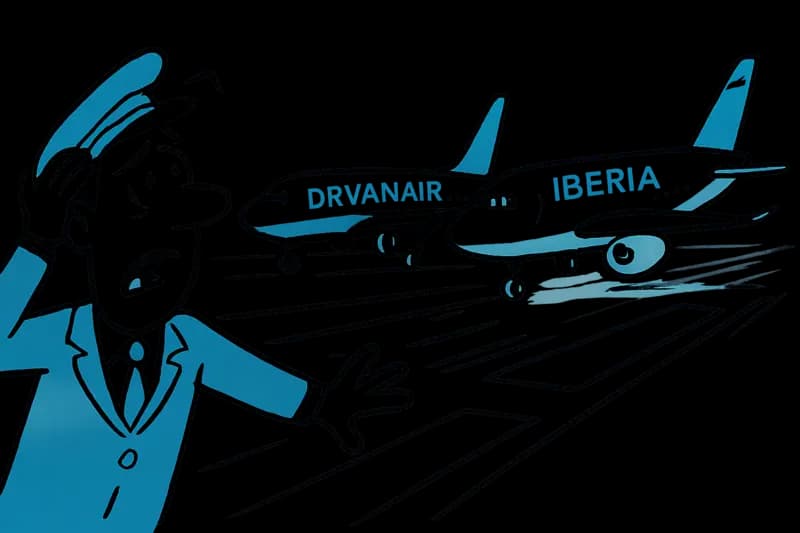
Near-miss on Lanzarote: Landing Ryanair Jet and Iberia Takeoff — what really went wrong
On Lanzarote there was a dangerous incident: A Ryanair flight (FR5910) from Dublin landed on runway 03 while an Iberia E...
Eurowings introduces new Premium Business seats on Mallorca routes
From December 1, selected Eurowings flights to Palma and other destinations will feature eight particularly generous sea...
Car on MA-13 near Inca in flames – a safety check for the island
A vehicle caught fire on the MA-13 towards Alcúdia on Tuesday afternoon. The driver was uninjured, the car was destroyed...
More to explore
Discover more interesting content

Can Cap de Bou

Townhouse Lleo 72
