
Pickpocketing at Bellver: Chase Ends at Traffic Light – How Safe Is Palma Really?
After a pickpocketing incident at Bellver Castle, the Policía Local chased a suspect across Palma. The flight ended at a traffic light near the Congress Palace. Why such cases keep happening and what could actually help.
Chase through Palma: One moment of Caribbean idyll, then sirens
It was one of those warm late summer days in Mallorca: seagulls calling, camera shutters clicking and the distant roar of motorcycles along the Passeig Marítim. Around 10:30 a.m. the morning calm was abruptly broken – tourists at Bellver Castle noticed shortly after a photo stop that a handbag was missing. The Policía Local arrived quickly, and a pursuit through Palma's streets began; similar episodes have been covered elsewhere, for example an Brave Intervention at Mercat de l’Olivar: Pickpocketing Prevented — But Where Was the Police?.
An end at the traffic light: Small turn, big effect
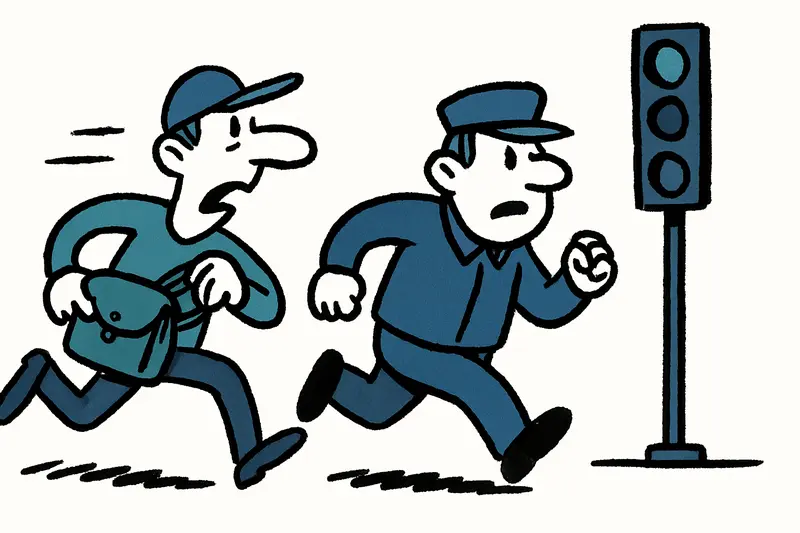
The escape ended unspectacularly at a red light beside the Congress Palace. Witnesses reported frantic lane changes, honking and screeching tires – then the car stopped. The alleged perpetrator, initially identified as a man of Romanian origin, was provisionally detained. Officers reportedly found additional items in the vehicle indicating previous offenses, as well as a small bag with a white substance that is preliminarily classified as cocaine.
The key question: How do you protect public landmarks without turning them into fortresses?
The real problem is not just an isolated case: Bellver Castle is a magnet for photos and souvenirs – ideal for pickpockets who wait for seconds of inattention. But how can Palma protect its public spaces without turning popular spots into fortifications? That is the question that is often overlooked when we only see the spectacular parts of a chase.
Little attention is paid to how much traffic and personal safety are linked. A pursuit through narrow city streets poses risks to pedestrians and drivers. That everything ended without serious harm this time was luck – not planning.
More than theft: Interconnected problems
The items found in the car and the suspected amount of drugs point to more complex structures: pickpocketing is often only one component of a criminal trade that resells stolen goods and launders income. Such networks exploit the high turnover of tourist areas and victims' differing language skills.
Also rarely discussed is the role of vehicles as escape aids: cars enable quick changes of location. Checks on access roads or targeted monitoring of parking lots around tourist destinations could counter this; a filmed escape that ended in Barcelona illustrates how rapidly situations can escalate, see Watch theft in Palma's Old Town: Escape ends in Barcelona – How safe are our streets?.
Concrete measures that could really help
From the insights of this incident, practical steps can be derived – no magic, but they would ease many issues:
More foot patrols: Foot patrols by the Policía Local at Bellver and Passeig Marítim during peak times would increase visible security and act as a deterrent. Patrols are often more effective than reactive interventions.
Multilingual prevention: Information signs and leaflets in German, English, Spanish and Catalan – plus short video clips on hotel displays – reminding travelers of precautions (keep bags closed, separate documents).
Secure storage zones: Temporary lockers at the Bellver car park or visitor centre could reduce phone and valuables theft.
CCTV focused on exit areas: More cameras at entrances and parking areas, combined with better data analysis to detect patterns and escape routes – of course under data protection regulations.
Strengthen cooperation: Involve hotels, tour guides and local providers more closely in reporting systems so stolen items can be traced more quickly. Equally important: international cooperation to return stolen goods.
What tourists and locals can do
Vigilance remains essential: carry bags closed, keep valuables on your person and not exposed on your back, and inform the Policía Local immediately if you suspect something. Anyone who has lost something should contact the police station directly – quickly reported cases are easier to trace. This was also evident when three off-duty officers detained an alleged pickpocket, as reported in Old Town Alarm in Palma: Three Off-Duty Police Stop Handbag Robbery — Time for a Security Check?.
And a small, banal tip from the promenade: when taking the next photo, briefly secure your bag with your free hand. Five seconds of inattention are enough – locals and police officers have often observed this.
Looking ahead
Today's case shows how thin the line is between an idyllic holiday moment and a crime. Palma needs more prevention and targeted presence without losing its open, friendly atmosphere. That can only be achieved with smart measures implemented jointly by the police, municipal administration, businesses and visitors.
For those who were at Bellver yesterday and are missing something: report the loss to the Policía Local. For everyone else: vigilance is not mistrust, but a small act of respect for an island we all share.
Frequently asked questions
Is Mallorca safe for tourists in busy places like Palma and Bellver Castle?
When is pickpocketing most likely in Palma?
How can I protect my bag and phone while sightseeing in Mallorca?
What should I do if my handbag is stolen in Palma?
Is Bellver Castle in Mallorca a pickpocket hotspot?
Why do police patrols matter in Palma tourist areas?
Are parking areas around Mallorca attractions safe for valuables?
Do tourists in Mallorca need special safety tips in summer?
Similar News
When Housing Becomes a Matter of Survival: Mallorca Between Rental Frenzy and Everyday Life
The case of 87-year-old Maricarmen showed that on Mallorca many people's lives are poised between affordable and uninhab...
Autumn in Mallorca: When Melancholy Gets a Window
Why autumn quietly tightens here — and how to make use of the mood: walks, culture, candles and the light from Palma to ...
Near-miss on Lanzarote: Landing Ryanair Jet and Iberia Takeoff — what really went wrong
On Lanzarote there was a dangerous incident: A Ryanair flight (FR5910) from Dublin landed on runway 03 while an Iberia E...

Eurowings introduces new Premium Business seats on Mallorca routes
From December 1, selected Eurowings flights to Palma and other destinations will feature eight particularly generous sea...

Car on MA-13 near Inca in flames – a safety check for the island
A vehicle caught fire on the MA-13 towards Alcúdia on Tuesday afternoon. The driver was uninjured, the car was destroyed...
More to explore
Discover more interesting content

Can Cap de Bou

Townhouse Lleo 72
