
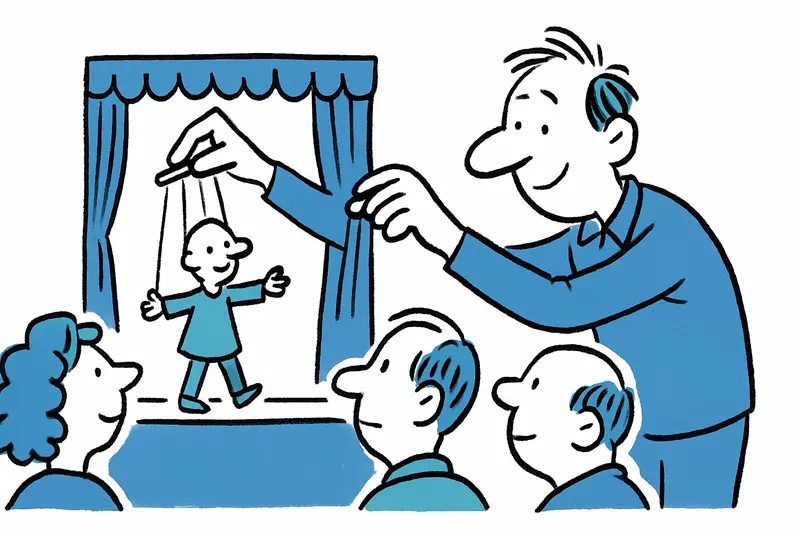
Puppets, Squares, Audiences: The 28th Festival de Teresetes Kicks Off in Mallorca
Puppets, Squares, Audiences: The 28th Festival de Teresetes Kicks Off in Mallorca
From May 11 to 17, hand-crafted figures transform theaters, village squares and care homes: the 28th Festival de Teresetes brings 60 performances by 20 companies from across Europe to the Balearic Islands.
Puppet ride across the islands: The 28th Festival de Teresetes is here
Six days, 60 performances — and marionettes in corners you wouldn't expect
Today the 28th Festival de Teresetes begins in Mallorca. Anyone strolling through Palma's old town in the morning may not hear an orchestra but the soft creak of strings and children's giggles — a sign that in the coming days figures will come to life everywhere. Until May 17, 60 performances are planned on Mallorca and the other Balearic islands.
The program features nearly 20 theater groups from home and abroad; artists come, among others, from France, England, Portugal and Slovenia. Performances take place not only in traditional theaters but also on village squares, in cultural centers and in social institutions — places where audiences would otherwise rarely take the spotlight.
The special thing about this festival is the closeness. A marionette can be just as effective in a small school on the Plaça Major as in a city theater on the Passeig del Born (FiraB! en Palma: baile, teatro, circo y arte callejero llenan el casco antiguo). The productions range from short pieces for kindergarten children to evening performances for families and the curious. In this way culture is brought to places that are not regularly programmed.
More often than grand gestures, the air carries craftsmanship: wood, fabric, spun movements. Anyone who has attended a performance in an intimate space knows the feeling of falling into a miniature world — the figures come to life and the audience automatically leans in. This can happen in a cozy courtyard or in a community hall that usually hosts meetings.
The festival offers Mallorca two advantages at once. First: it enlivens places off the usual tourist paths and creates cultural encounters in neighborhoods rarely visited by large productions. Second: it provides access for children and older people who can easily attend the theater with an inexpensive or free ticket. Collaboration with social institutions ensures that theater is not a luxury but a neighborhood experience.
A look at the variety also shows the range of techniques: there are classic string puppets, tabletop puppet theater, shadow plays and experimental forms that work with light and music. Some ensembles bring their own sets, others improvise with everyday objects — which makes every performance a small one-off.
Those planning to visit the festival can find the schedules on cultural center notice boards and often at municipal information points (Festivales de otoño en Mallorca: los puntos destacados de este fin de semana). A good tip: mornings are still quiet, afternoons the audiences grow. Early shows suit families with young children; evening pieces appeal to fans of unusual theater.
A simple local impression: on the way to the next performance you might hear a crew van roll through narrow lanes, see stagehands unpack final props, and near a café the scent of freshly brewed coffee mixes with the soft lamplight behind a stage. These scenes belong to the festival — they show culture as part of everyday life.
My advice to locals and visitors: take the time for a nearby show. Be surprised how much emotion can fit into a few square centimeters. Maybe afterwards you'll strike up a conversation with the actress or puppeteer at the village bar café — shared memories that last longer than the applause (Gastronomía y arte: ferias de otoño en Mallorca del 10 al 12 de octubre de 2025).
The festival is a piece of lived island culture: small in scale but rich in ideas. It invites you to rediscover places and meet people who tell a lot with simple means. So if you walk through Palma or the villages in the coming days, keep your ears open — somewhere a string is rattling, and a story is beginning.
Frequently asked questions
What is the weather usually like in Mallorca in spring?
Can you swim in Mallorca in early season?
What should I pack for a trip to Mallorca in spring?
Is spring a good time to visit Mallorca for outdoor activities?
What is Palma de Mallorca like to visit in spring?
Are the beaches in Mallorca busy in spring?
What are the best months to visit Mallorca for mild weather?
Do you need a jacket in Mallorca in the evening?
Similar News
More water than last year: Mallorca's reservoirs breathe easier
September rain refilled the Tramuntana's reserves: overall fill around 35 percent, Cúber at 40.42 percent, Gorg Blau at ...
Three Luxury Hotels in Banyalbufar: Lots of Money, Many Questions
A Danish investor plans three exclusive accommodations in Banyalbufar — including the historic Son Valentí. The announce...
2.1 tonnes of cocaine on sailing yacht off Spain's coast – a reality check for the coastguard
A 14-metre yacht was seized with 2.1 tonnes of cocaine. Who monitors the ports, how does the international hunt succeed ...
Heat Bonus in Mallorca: 100 Euros Extra for Outdoor Staff at MarSenses
MarSenses pays employees who worked outdoors in August an extra €100 as recognition. Lighter uniforms, reduced hours for...
Renovating in Mallorca: What You Really Can Do Without Neighbour Consent
Many think they can do whatever they want in their apartment. That's partly true — but only as long as structural elemen...
More to explore
Discover more interesting content

Can Cap de Bou

Townhouse Lleo 72
