

Monopoly in Mallorca? Ramis family buys AC Ciutat in Palma
Monopoly in Mallorca? Ramis family buys AC Ciutat in Palma
The Mallorcan business family Ramis has taken over the AC Ciutat in Palma. A good catch for some, an example of market concentration for others. A critical appraisal.
Monopoly in Mallorca? Ramis family buys AC Ciutat in Palma
What does the purchase of the city's four-star hotel mean for Palma — and for the island?
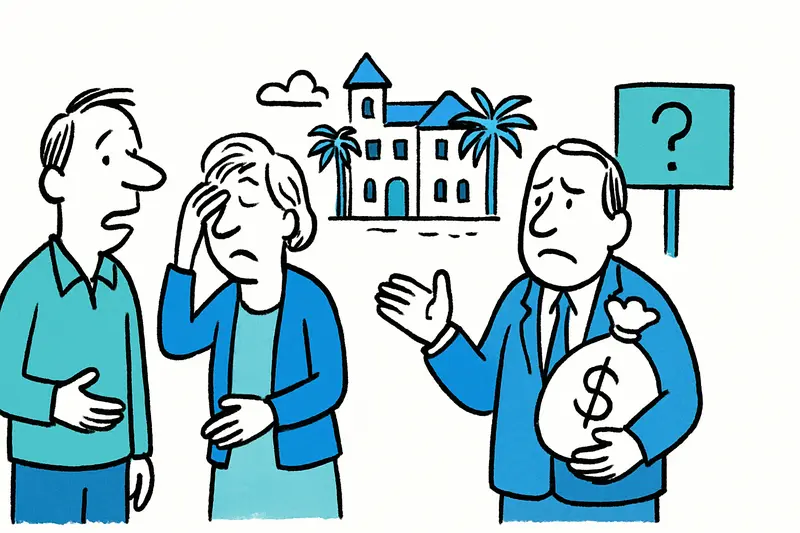
The news is straightforward: the corporate group of the Ramis family has taken over the AC Ciutat hotel near the Passeig Marítim and the Plaça des Pont. Purchase price: 19.3 million euros. The property will remain under the AC Hotels by Marriott brand with its 84 rooms, restaurant, bar and fitness room. At first glance a normal deal in a market that is currently very active, similar to Investor Group Takes Over Plaza de las Tortugas — What Changes for Palma?.
My guiding question is therefore: does this takeover increase the concentration of hotel ownership in Palma — and if so, what does that concretely mean for the neighborhood, the staff and the residents?
A critical look shows two sides. Positive: a local group that already runs properties like the Nakar and the Palma Riad knows the market, the suppliers and often the workforce. That can bring stability; there is a chance that a Mallorcan company is more likely to invest in local supply chains than a pure financial investor.
The downside: when few hands hold more and more properties, market diversity decreases. Prices, bargaining positions with suppliers and employment conditions can shift in a direction that does not automatically serve the common good. Anyone walking past the cafés on the Passeig Marítim in the morning does not only see tourists but also flats whose rents have risen in recent years — and that is the quieter consequence of growing hotel portfolios, as noted in Balearic Islands in the Price Squeeze: Who Can Still Afford Mallorca?.
A second point concerns sustainability and credibility. The hotel has an energy efficiency rating of A and a BREEAM certification. That sounds good. But such labels must be translated into everyday practice: how are energy savings actually implemented? Are technical modernizations planned in a way that reduces costs and CO2 emissions in the long term, or is the focus primarily on the resale value of the property?
What is often missing in the public discourse is transparency. Buyers, sellers and the authorities should be clearer about which conditions apply to such transactions. Were social clauses for employees agreed, for example? Will the staff be retained? Are there commitments to use local service providers or to limit short-term rentals in the surrounding area? Such questions are rarely asked loudly when the focus is on the purchase price.
A simple everyday-scene moment: on a windy morning a waitress from the neighborhood sits with her jacket on Calle de la Lonja, drinks a quick café con leche and says she hopes the new owner will continue to offer permanent contracts. You often hear such conversations between delivery vans, scooters and the suppliers delivering pallets of food. These people are the real indicators of the consequences of large real estate transactions.
Concrete solutions would not be rocket science: municipal conditions on ownership changes that secure social minimum standards; a transparent list of investment plans when sustainability labels are cited; and a municipal dialogue in which neighborhood residents, employees and city administration are informed before completion. In addition, the city could tighten binding rules on converting housing into tourist use so that the balance between visitors and locals is maintained.
It would also be practical if buyers were required to guarantee staff takeovers in writing or to create training positions for local workers in the first years. These measures take little time, build trust and reduce resistance in the neighborhood.
My pointed conclusion: a sale like this can be a gain — for the buyers, for guests and perhaps also for the local economy. But it can also reinforce the familiar pattern of capital concentrating in few hands and the urban landscape changing gradually. This mirrors trends reported in Who Owns Palma? When Luxury Quietly Repaints the Working-Class Neighborhoods. Those who live in Palma hear the scooters and see the construction cranes; they feel it when prices and neighbourhood profiles shift. It is up to the city and the new owners to shape this change so that it becomes a benefit, not a loss, for the people who live there.
Frequently asked questions
What does the Ramis family’s purchase of AC Ciutat in Palma mean for the hotel?
Is Palma seeing too much hotel ownership concentrated in a few hands?
Does a local Mallorcan company buying a hotel in Palma make a difference?
What should guests expect at AC Ciutat in Palma after the sale?
What does the sale of hotels in Palma mean for local staff?
How do sustainability labels like A energy ratings and BREEAM matter for a hotel in Mallorca?
Why is the Passeig Marítim area in Palma often linked to hotel and property changes?
What can Palma do to keep hotel ownership changes from hurting residents?
Similar News

More water than last year: Mallorca's reservoirs breathe easier
September rain refilled the Tramuntana's reserves: overall fill around 35 percent, Cúber at 40.42 percent, Gorg Blau at ...
Three Luxury Hotels in Banyalbufar: Lots of Money, Many Questions
A Danish investor plans three exclusive accommodations in Banyalbufar — including the historic Son Valentí. The announce...
2.1 tonnes of cocaine on sailing yacht off Spain's coast – a reality check for the coastguard
A 14-metre yacht was seized with 2.1 tonnes of cocaine. Who monitors the ports, how does the international hunt succeed ...

Heat Bonus in Mallorca: 100 Euros Extra for Outdoor Staff at MarSenses
MarSenses pays employees who worked outdoors in August an extra €100 as recognition. Lighter uniforms, reduced hours for...

Renovating in Mallorca: What You Really Can Do Without Neighbour Consent
Many think they can do whatever they want in their apartment. That's partly true — but only as long as structural elemen...
More to explore
Discover more interesting content

Can Cap de Bou

Townhouse Lleo 72
