

From Decay to Plaça Pearl: The Old Station House Shines Again
From Decay to Plaça Pearl: The Old Station House Shines Again
A distinctive building at Palma's Plaça d'Espanya, once an above-ground station and later Hostal Términus, has been reopened after an extensive renovation. At its core are the SFM offices, a bar and a newly reopened air-raid shelter from the Civil War.
From Decay to Plaça Pearl: The Old Station House Shines Again
On the morning of the reopening, Plaça d'Espanya lay under a pale December sky, trams grinding along the tracks, and travelers paused on the building's large stone steps to look at the new windows and the freshly painted cornice. For years the house had felt like a foreign body amid the transport hub; now it looks once more as if it belongs to the city, a renewal echoed by nearby station works such as Palma: Plaza España Train Station Gets a New Look.
The building, completed in 1913 by the architect Eusebi Estada and long used as an above-ground station, has found a new purpose: in the former Hostal Términus the offices and control room of the island railway company SFM are now housed, and a bar has opened for passersby and commuters. Many German visitors see the building when they get off at the square or take a taxi; for residents it is simply a familiar piece of the city that has been reclaimed.
The restoration cost around €3.7 million and was financed from the Island Fund. The President of the Balearic Government, Marga Prohens, and Palma's mayor, Jaime Martínez, attended the inauguration. Instead of cutting a ribbon there were tours, handshakes and occasional nods – this is modern local politics when a building is renovated.
An unexpected decision during the works: the restored air-raid shelter from the time of the Spanish Civil War was integrated into the concept, although this had not been part of the original project. The restoration management decided to upgrade the underground shelter and thereby add a clear historical layer to the house.
This has two sides: on the one hand, a new place of remembrance is created that recalls that the city knows not only beautiful facades but also hard stories. On the other hand, opening or at least visibly securing the bunker brings new possibilities for educational programs and local history interpretation.
When you stand on the steps now, you can smell coffee from the bar, hear distant bus horns and watch people pass through the new entrance door. This is not a museum box but a living part of the square: administrative rooms, a meeting point on the ground floor and a tidied piece of memory underground.
Why is this good for Mallorca? Such restorations hold cityscape and memory together. The repair preserves Estada's architectural signature and prevents a striking building from decaying into a ruin and eventually being replaced by an unimaginative new construction. For the immediate surroundings this means: better quality of stay, more visibility for the square and an offer for commuters and visitors.
Practical consequences are also conceivable: a staffed SFM control room within sight of Plaça d'Espanya can smooth operations; a bar enlivens the forecourt; and the restored bunker can – if made sensibly accessible – appeal to school classes, interested locals and tourists who want to see the lesser-known chapters of the city's history. This approach aligns with debates about reusing vacant properties, as in When Offices Go to Sleep: Palma's Plan to Revive the Old Town.
What could now be added to the public debate: concrete accessibility of the bunker, clear opening hours and a maintenance plan. Many renovations look good on the day of inauguration, but the second challenge is everyday life: cleanliness, safety, the bar's operational planning and the permanent care of the historic elements. Here the city administration, SFM and the neighborhood could work more closely together.
A concrete suggestion: small information panels on the steps and in the entrance area that give the year of construction, the architect's name and a brief explanation of the bunker. Regular guided tours on selected days would channel visitor flows and give the house a role as an educational site – without disturbing SFM's operations.
The reopening of the former station house is a piece of everyday life made more beautiful again. For Plaça d'Espanya that means: fewer ruined views, more urban life. Those who pass by may stop briefly, sip their coffee and not think of concrete decay but of a building that has once again found its place in the city.
Outlook
If the coming months show that the care is right and the bunker finds sensible use, this house could become a model: how to preserve historic substance while accommodating modern functions. And the best part: it remains walkable, audible and visible – in the middle of the square, between tram, bus and the city's soundscape.
Frequently asked questions
What has changed at the old station house in Plaça d'Espanya, Palma?
Why is the restored station house in Palma considered important for Mallorca?
Can you visit the former station house at Plaça d'Espanya in Palma?
What is the air-raid shelter under the station house in Palma?
Who funded the restoration of the old station house in Palma?
What does the restored building mean for Plaça d'Espanya in Palma?
What should visitors expect if they pass through Plaça d'Espanya in Palma now?
Will the restored station house in Palma be used for history or educational visits?
Similar News
Injured captain, big plans: Germania Mallorca before the away match in Consell
The newly founded FC Germania Mallorca travels to Consell on Saturday. Captain Bastian Müller is out injured, but coach ...
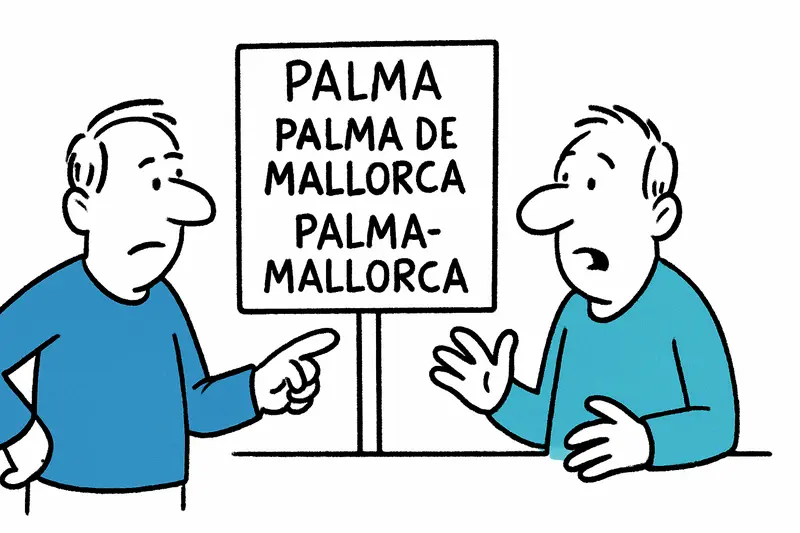
Palma, Palma de Mallorca, Palma‑Mallorca: What is it really about?
The debate over the city's name is more than grammar: it concerns identity, law and branding policy. A sober reality che...

Warning to Bathers: Nipping Fish in Cala Major and Other Coves — a Reality Check
In Cala Major and several beaches around Mallorca, bathers report painful “nips”. Who are the animals, why are they gett...

Rental Car Theft in El Arenal: What This Incident Reveals About Our Gaps
A teenager steals a running rental car in El Arenal, flees on foot, climbs over walls and is caught by the Guardia Civil...
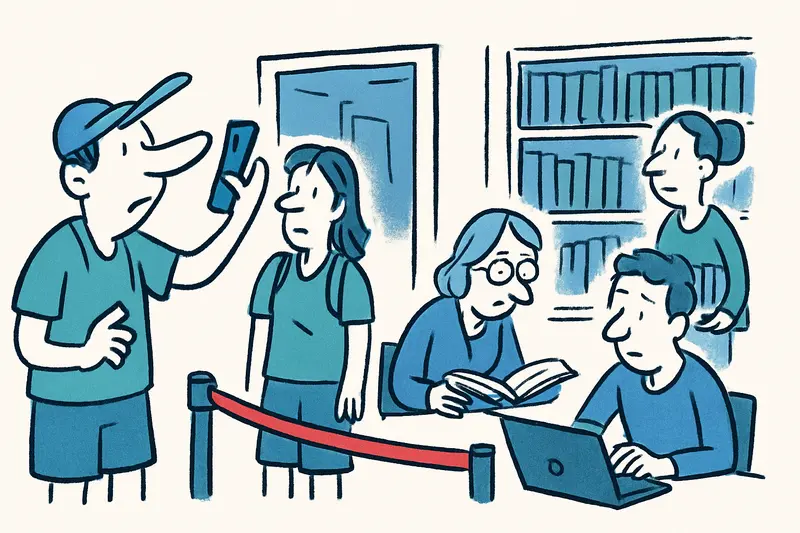
Red Rope in Palma's Library: What Helps Against Selfie Tourism — and What's Missing
Palma's city library cordoned off an area with a red rope to keep selfie tourism away from reading and working activitie...
More to explore
Discover more interesting content

Can Cap de Bou

Townhouse Lleo 72
