
Patera Capsizes Near Portopetro — One Dead, Three Missing and Many Unanswered Questions
A capsized migrant boat near Portopetro has cost one person their life. Three remain missing. Why does the Mallorca route remain so dangerous — and what needs to change?
Patera capsizes near Portopetro — one dead, three missing and many unanswered questions
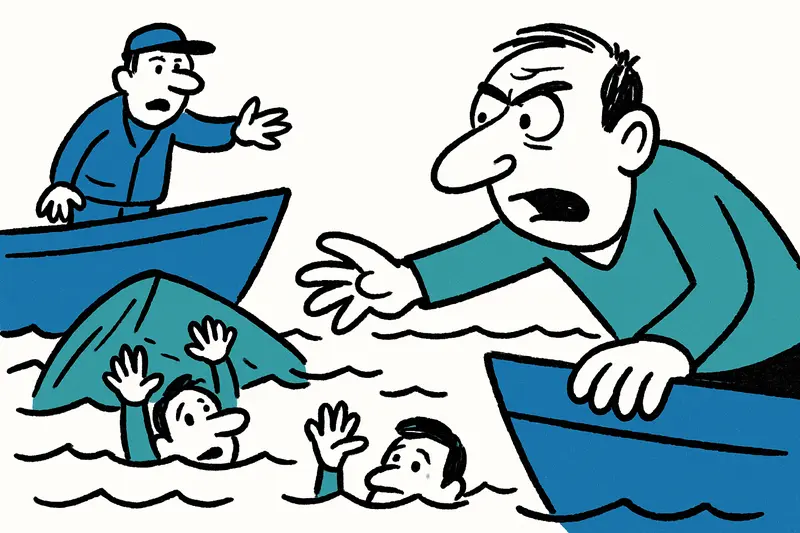
On early Wednesday afternoon the normally quiet harbour of Portopetro was transformed into an improvised rescue centre. Around 2:00 pm a private yacht reported a capsized wooden boat — a patera — and the scene was soon marked by sirens, helicopter noise and the murmur of local residents. The central question running through every conversation was: why do people have to take such dangerous routes — and could this suffering be prevented?
What happened that afternoon
Witnesses report that the boat had apparently been at sea for several days. A private captain discovered the wreck, alerted Salvamento Marítimo official website, and shortly afterwards rescue helicopters were circling over the bay. One man died, around 20 other people were injured, and four were taken to hospital. Three people are still considered missing, with local coverage in Patera vuelca en Portopetro — un muerto, tres desaparecidos y muchas preguntas abiertas. Helpers said many had jumped into the water in panic and tried to swim to shore on their own.
The atmosphere on the quay was eerie. The slap of the waves against the harbour wall often barely drowned out the excited murmur of the crowd; seagulls circled and the smell of diesel and saltwater hung in the air. Toni, an old fisherman from the harbour, stood there with trembling hands: “I've never seen anything like this before,” he said — short, blunt, without great pathos. Such images stay with you.
What is often left out of the public debate
There are the obvious questions: origin, route, number of people. Less discussed, however, is how closely intertwined local communities, private actors and official rescue structures already are. In this case it was a private boatman who raised the alarm. At the same time, many coastal sections lack systematic observation networks that could link AEMET weather warnings with maritime rescue.
Another hardly discussed point is the information available on board. People on such boats often make decisions without reliable weather data, without navigation aids and without knowledge of local currents. The combination of overcrowding, exhaustion after days at sea and a suddenly strengthening wind is extremely dangerous — and avoidable if action is taken early.
Concrete opportunities and solutions
The tragedy in Portopetro not only reveals failures but also entry points that can be addressed immediately, as explored in Naufragio de un barco frente a Portopetro: Un muerto, muchas preguntas:
Better early-warning and reporting systems: Local observers (fishermen, yacht owners, port authorities) should be connected via simple channels directly to Salvamento Marítimo. A fast flow of information can save lives.
Expansion of civilian rescue capacities: More training for volunteer fishermen and harbour workers in Cruz Roja Española first aid courses and securing survivors — on site they are often the first responders.
Coordinated weather and information campaigns: Where possible, information campaigns in regions of origin about the risks of certain routes and strengthened cooperation with UNHCR (ACNUR) Spain that can offer safe alternatives and legal advice.
Regional cooperation rather than going it alone: Search and rescue plans, joint patrols and fast transport corridors to reception facilities would reduce the risk for people on the move.
What matters now — and what the island can do
The search for the missing continues; rescuers are checking coastal sections, boats and helicopters are in operation. Every hour is decisive for the families affected. At the same time it becomes clear: Mallorca is not only a holiday destination but also a place where fates intersect. Here people are found, cared for and sometimes buried.
The island community can help — through lived solidarity at the quay, by training local helpers and by promoting transparent, humane solutions. It would be disastrous to feel only sympathy after such days and then return to business as usual. Portopetro has shown us this week that the Mallorca route is more than a number in a statistic. It is a series of decisions we can — and must — consider.
Frequently asked questions
What happened in Portopetro when the patera capsized?
Why are pateras such a dangerous route to Mallorca?
How do rescue teams respond to a boat accident off Mallorca?
What should boat owners and local residents in Mallorca do if they spot a possible migrant boat?
Is Portopetro a regular rescue location in Mallorca?
Can bad weather warnings help prevent accidents at sea around Mallorca?
What happens to people who are rescued after a migrant boat reaches Mallorca?
Why do local people in Mallorca react so strongly to incidents like the Portopetro capsize?
Similar News
First Day, First Consequences: What Palma's Rent Freeze Really Means
A new decree stops a planned eviction in Palma — but what really changes for tenants and landlords? A reality check with...
When Housing Becomes a Matter of Survival: Mallorca Between Rental Frenzy and Everyday Life
The case of 87-year-old Maricarmen showed that on Mallorca many people's lives are poised between affordable and uninhab...
Autumn in Mallorca: When Melancholy Gets a Window
Why autumn quietly tightens here — and how to make use of the mood: walks, culture, candles and the light from Palma to ...
Near-miss on Lanzarote: Landing Ryanair Jet and Iberia Takeoff — what really went wrong
On Lanzarote there was a dangerous incident: A Ryanair flight (FR5910) from Dublin landed on runway 03 while an Iberia E...
Eurowings introduces new Premium Business seats on Mallorca routes
From December 1, selected Eurowings flights to Palma and other destinations will feature eight particularly generous sea...
More to explore
Discover more interesting content

Can Cap de Bou

Townhouse Lleo 72
