
Tumults at Playa de Palma: When Controls Threaten the Beach Scene
A routine check at Playa de Palma ended on Sunday evening in a scuffle and an arrest. The incident reveals tensions between residents, vendors and police — and raises the question: How can safety, rights and everyday life be reconciled on the Paseo?
Routine check, loud shouts, an arrest: evening chaos on the Paseo
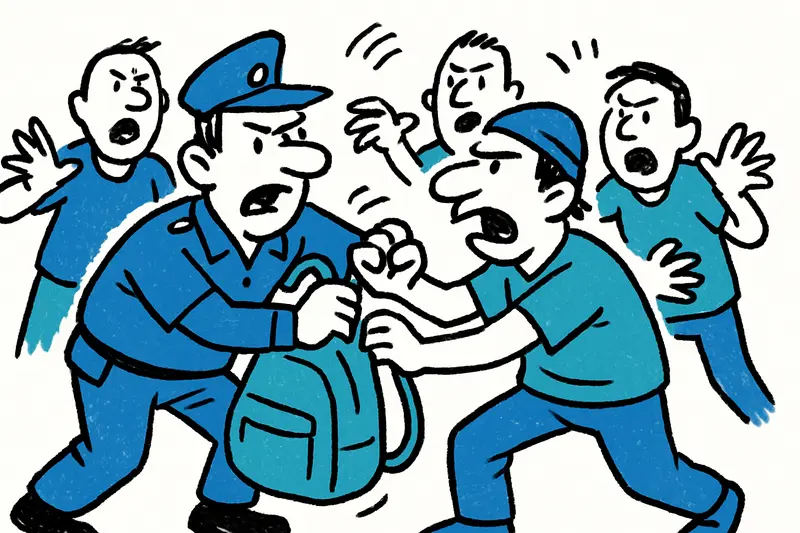
Sunday, around 6:30 p.m.: The promenade at Playa de Palma is, as so often in the evening, full of people — tourists with beach bags, locals with coffee to go, the clatter of chairs in front of the chiringuitos mixing with the cries of seagulls. A check on a vendor at Balneario 6 suddenly escalated. More details are in report on vendors preventing an arrest at Playa de Palma. Passersby stopped, pulled out phones, voices grew louder. A police officer was hit in the chest and had to be treated briefly.
What the search revealed
According to the officers, they searched the backpack of a 32-year-old vendor and confiscated almost 64 textile items — mostly shirts and trousers with well-known club logos. This is likely to lead to proceedings for violations of commercial property rights, as explained by the EUIPO explanation of trademark infringement. But the scene was not just a formal process: shortly afterwards some 20 to 30 other vendors gathered around the officers, shouting, pushing and apparently trying to prevent the arrest.
Why the situation got out of control
The police called for backup and pepper spray was used before the detainee could be taken into custody. The explanation from the forces is one thing. The mood on the promenade is another. Residents report rising tension: since the end of May tougher sanctions have been in force — buyers of unregistered vendors face fines of up to €750. The aim is to protect regular trade. The result: more checks, more pressure — and sometimes such escalations.
The real question: do controls protect or fuel conflicts?
The incident raises a central guiding question: how can the city keep its promenades safe without further radicalizing the situation on the ground? Public debates usually focus on numbers — seized goods, fines, staffing levels. Less attention is paid to causes and mechanisms: why do vendors turn to the informal market? For context, see the ILO overview of the informal economy. And how does a rapid escalation affect residents, tourists and the island's image?
What is often missing in the discussion
First: the vendors are not just “illegals”, but often people with limited alternatives. Many speak little Spanish or Catalan, do not know their rights or fear immediate confiscation instead of being advised. Second: the location — narrow sections of the Paseo, crowded weekends — leaves little room for calm checks. Third: communication before, during and after operations is often lacking. Videos on social media show different perspectives; they polarize faster than official press releases can provide clarity, as shown in a local incident report on a vendor injuring an officer in Playa de Palma.
Concretely: how can the situation be better managed?
A few pragmatic proposals that sound less theoretical than many regulations:
1. De-escalation training and interpreters: Police teams that regularly work at tourist hotspots should be trained and have access to interpreters; see resources on de-escalation.
2. Temporary registration points: Instead of only sanctioning, low-cost short-term registrations or information booths could help legalize the offer.
3. Clear zoning rules: Designated areas for authorized street vending reduce friction with retailers and create clarity for police and guests.
4. Community dialogue: Regular meetings with residents, shop owners, vendors and authorities to address problems early.
Outlook
Investigations against the 32-year-old are ongoing — for assault on an officer and trademark violations. But the individual incident remains symptomatic: without better strategies, further tumults threaten. For the people at Playa de Palma the advice is: keep distance, stay calm — and politicians should ask themselves whether repression alone is the right answer. The promenade is a public space. It needs rules, yes. But also solutions that actually work on the ground.
Frequently asked questions
Why are there more police checks on Playa de Palma in Mallorca?
What happens when police catch an unlicensed vendor in Mallorca?
Are buyers fined for shopping from street vendors in Playa de Palma?
Is it still safe to walk the promenade at Playa de Palma in the evening?
Why do police operations sometimes escalate on busy beaches in Mallorca?
What can help reduce conflict between street vendors and police in Mallorca?
What are the rules for street vending in Playa de Palma?
How do incidents at Playa de Palma affect Mallorca’s image?
Similar News
Near-miss on Lanzarote: Landing Ryanair Jet and Iberia Takeoff — what really went wrong
On Lanzarote there was a dangerous incident: A Ryanair flight (FR5910) from Dublin landed on runway 03 while an Iberia E...

Eurowings introduces new Premium Business seats on Mallorca routes
From December 1, selected Eurowings flights to Palma and other destinations will feature eight particularly generous sea...
Car on MA-13 near Inca in flames – a safety check for the island
A vehicle caught fire on the MA-13 towards Alcúdia on Tuesday afternoon. The driver was uninjured, the car was destroyed...

Real Estate in Mallorca: Fewer Buyers, Higher Prices — What's Behind It?
Sales on Mallorca are falling, yet prices continue to climb. Why fewer transactions do not equal relief — and what shoul...
Just Bought — Already Trouble: Water Damage in the Heiters' Villa and What Owners in Mallorca Should Know Now
A newly purchased sea-view property — and within days a water damage. What risks lurk in new properties in Mallorca, and...
More to explore
Discover more interesting content

Can Cap de Bou

Townhouse Lleo 72
