
Stefan Kretzschmar: Between Berlin and a New Home in Northern Mallorca
The former handball star has bought a house in the north of the island and plans to split his life between Berlin and Mallorca from now on. What this means for the island — and how neighbors react.
Stefan Kretzschmar: Between Berlin and a New Home in Northern Mallorca
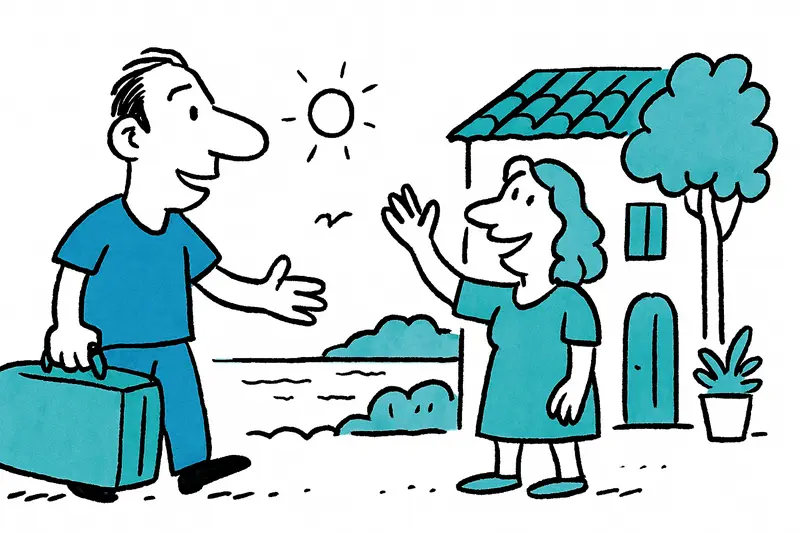
The name Kretzschmar has become familiar on Mallorca. The former national player, now active as a TV expert and entrepreneur, has bought a property in the north of the island and plans to be here regularly in the future. Not a permanent move, but a new rhythm: two weeks on the island, two weeks in Germany—that's his plan.
The estate is located in the area around Canyamel, not far from the golf course he likes to visit. Anyone who arrives there immediately feels the calm: the scent of pine in the air, the shuffling steps of walkers on the village road, the clatter of coffee cups on the terrace in the morning and, in the evening, the distant roar of the sea. In photos on his own Instagram account, the home with a pool and expansive views looks like a place to breathe.
For Kretzschmar this is no surprise. For years he has been posting island impressions, checking in from small cafés and sunny balconies. That he has now acquired a dwelling in the north fits the picture: the island as a retreat alongside life by the lake in northern Berlin, where he has lived so far. This division—capital city and Mediterranean—is manageable in times of digital work practices; his agency and his role as an expert allow him flexible work.
What does this mean for Mallorca concretely? Such housing decisions bring money to the region: craftsmen, gardeners, cleaning services and local businesses benefit when a house is used permanently or regularly maintained. There is also a subtle cultural effect: when well-known athletes spend their free time here, they draw attention to smaller places away from the main tourist flows and make the low season somewhat livelier.
At the same time, the island—especially in the north—continues to experience the usual tensions around housing and infrastructure. An additional residence is an opportunity for the local economy but can also spark debates if demand and prices rise. For residents this means: keep an eye on construction projects, clear rules for rentals and responsible neighborhood care. Politicians and municipalities are called upon to regulate uses so that everyday life on site is preserved.
On the streets around Canyamel I have more often seen people in recent weeks who react curiously to new faces: dog owners, retirees with aprons in front of the bakery, young families at the playground. They appreciate it when someone values the area and identifies with the island—provided they remain respectful. A Mallorca that is not just a backdrop but a living space works better when newcomers help shape the neighborhood instead of isolating themselves.
Professionally, Kretzschmar remains active: as a TV analyst and with his agency he focuses on formats that can also be produced on the move. In addition, his third book, dealing with his handball career and his perspective on the sport, is due to be published at the end of November. Projects like these make clear how professional life can be spread out today: stages and living rooms can exist side by side.
For the island this is a small, pleasant piece of news: a familiar face consciously chooses northern Mallorca without reducing the island to a mere second home. This can serve as an example for an approach to Mallorca that combines respect for everyday life, local engagement and enjoyment of the landscape. Whoever hears the seagulls at the edge of the village in the morning and takes an evening round on the golf course lives with a unique daily rhythm—and that may be the nicest message such a move can send.
In short: more people living and investing here is good for trades and commerce. What remains important is that newcomers do not treat the island merely as a mailing address, but as a neighborhood. Then Mallorca wins twice: economically and in everyday coexistence.
Frequently asked questions
How does Stefan Kretzschmar plan to split his time between Mallorca and Berlin?
What impact might a new residence in northern Mallorca have on the local economy?
What responsibilities should newcomers have when living in small Mallorca communities like Canyamel?
Are there housing or infrastructure tensions in northern Mallorca due to new residents?
Can famous athletes boost Mallorca’s off-season appeal?
What does a day look like for someone splitting time between Mallorca and Berlin?
How does digital work enable part-time living on Mallorca?
What can newcomers do to help Mallorca feel like a living community rather than a backdrop?
Similar News
New squatters in Na Burguesa: court ruling, owners and the question of solutions
The former Na Burguesa excursion venue has been occupied again, even though a court previously ordered its eviction. Who...
Ryanair pulls out of Paderborn – what this means for Mallorca
The Irish low-cost carrier has abruptly ended its Palma connection from Paderborn and is shifting capacity to Kassel-Cal...
Occupied but Willing to Pay: The Palmanova Case and What’s Missing
Three men are living in a vacant house in Palmanova — just a few metres from the owner. They say they can pay rent. The ...

From the Court to the Executive Suite: Rafa Nadal Joins the Board of Real Madrid
Rafa Nadal, the tennis star from Manacor, has accepted a seat on the board of Real Madrid. The members' assembly will de...
Na Burguesa: The squatter family must leave – but who takes responsibility?
In November 2025 a family with two children occupied the vacant restaurant at the Na Burguesa viewpoint. The court and t...
More to explore
Discover more interesting content

Can Cap de Bou

Townhouse Lleo 72
