

Tourism Boom in Mallorca: 15 Percent More Bookings — Opportunity or Risk?
Bookings for Mallorca are up by around 15 percent according to platform data. But how much growth can the island tolerate? Our look goes beyond the numbers: who is coming, where they go and what consequences the influx has for everyday life, the environment and infrastructure — plus concrete ideas for how Mallorca can shape the upswing more sustainably.
How much growth can Mallorca tolerate?
In the early morning, when the church bells of Palma still resonate among the olive trees and the first fishing boats lie in the harbor, hardly anyone thinks about percentages. Yet the latest data from booking platforms are unmistakable: roughly 15 percent more reservations compared to last year (Tourism 2025 — more visitors but setbacks in August). The central question is therefore quite practical: How much growth can Mallorca tolerate — without the island losing its scent of pine, sea salt and everyday life?
Who travels, where and when?
The numbers reveal quite a bit: more than half of the bookings come from Spaniards, followed by the British and the Germans. You can hear it on the street: British voices at Playa de Palma, German cycling groups heading into the Tramuntana mountains, families crowding the promenade of Magaluf. Less interesting is the origin than the distribution: popular coastal resorts are filling up again, while places like Deià or the mountainous hinterland are increasingly visited by guests seeking peace and landscape. At the same time, more and more people are booking much earlier — sometimes two months before departure (early-booking boom for 2026) — which points to more professional planning and good flight connections.
The obvious — and what is overlooked
Mallorca still has the classic package: beaches, sun, good cuisine. But the debate must not stop at "more guests = more money" (Boom despite friction: how much tourism can Mallorca still handle?). The less highlighted aspects are important: water consumption in the summer months, waste accumulation in small coves, pressure on the housing market from holiday rentals, congested access roads in village centers and strongly seasonal employment patterns for service workers.
In Palma, for example, the competition for space is palpable: cruise ships dock, the old town is on some days full of people, and topics such as medical supply for healthcare, waste disposal and parking are no longer discussed only in municipal assemblies.
What opportunities does the increase open up — and how can they be used sustainably?
The upswing brings clear advantages: more visitors and higher revenues in 2025 for hotels, restaurants and local activity providers; more jobs, often seasonal entry-level opportunities for young people in cafés and markets. The island can use these gains — if it simultaneously invests in sustainability and infrastructure.
Concrete approaches:
1. Promote season extension: Create incentives for travel outside the high season — cultural and sports events in spring and autumn, reduced access fees to nature offers.
2. Demand management instead of bans: Dynamic visitor guidance in heavily frequented places (reservation systems for nature parks, capacity limits for popular coves) instead of blanket closures.
3. Expand infrastructure selectively: Better public transport connections especially to mountainous regions, intelligent parking guidance systems and investments in water and wastewater management.
4. Regulate and tax holiday rentals: Transparent rules that secure housing for locals while promoting legally compliant, environmentally friendly rental models.
5. Cooperate with airlines and tour operators: Plan flights and package deals so that weekends are not overly concentrated — small measures, big effects.
What politics and local people can do
More than slogans are needed: municipalities must plan together, not just react. Hoteliers, coastal resorts and mountain villages should more strongly involve the voices of the local population — for example through regular meetings with representatives from fishing, agriculture, hospitality and environmental protection. Educational campaigns for visitors (multilingual notices at airports, car rental counters, and on fincas) could encourage simple behaviors like reducing waste and showing consideration.
And yes: it will remain controversial. Some residents welcome every euro, others fear for their everyday life. That is normal — and precisely why an honest discussion about sensible limits is needed.
Looking ahead
The 15 percent increase is both a wake-up call and an opportunity. Mallorca does not have to choose between "more tourists" and "marine protection" — but the island needs a plan that thinks both together. Between the calls of market vendors at Mercat Olivar, the chirping of cicadas in the pines and the honking of delivery vans in Palma, a course can be found: moderate growth, better distribution of guests and investments that preserve the islanders' quality of life. Sound pragmatic? Maybe. But pragmatism is the form of care Mallorca needs now.
Frequently asked questions
Is Mallorca getting too crowded with tourism in 2025?
When is the best time to visit Mallorca to avoid the busiest tourist crowds?
How warm is Mallorca in summer, and is it still good for a beach holiday?
What should I pack for a trip to Mallorca if I want to travel comfortably?
Is it still worth visiting Palma if cruise ships and tourists are everywhere?
Is Deià in Mallorca still a peaceful place to visit?
Why are more people booking Mallorca holidays earlier than before?
What are the main problems linked to tourism growth in Mallorca?
Similar News
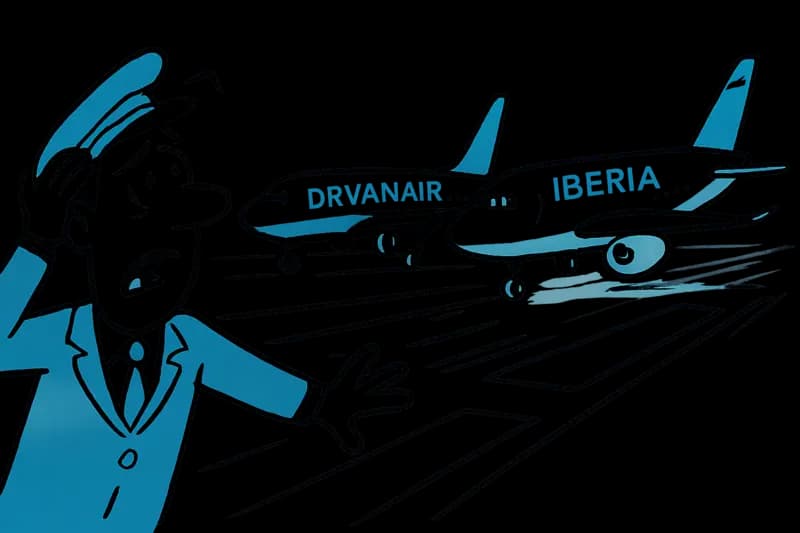
Near-miss on Lanzarote: Landing Ryanair Jet and Iberia Takeoff — what really went wrong
On Lanzarote there was a dangerous incident: A Ryanair flight (FR5910) from Dublin landed on runway 03 while an Iberia E...

Eurowings introduces new Premium Business seats on Mallorca routes
From December 1, selected Eurowings flights to Palma and other destinations will feature eight particularly generous sea...
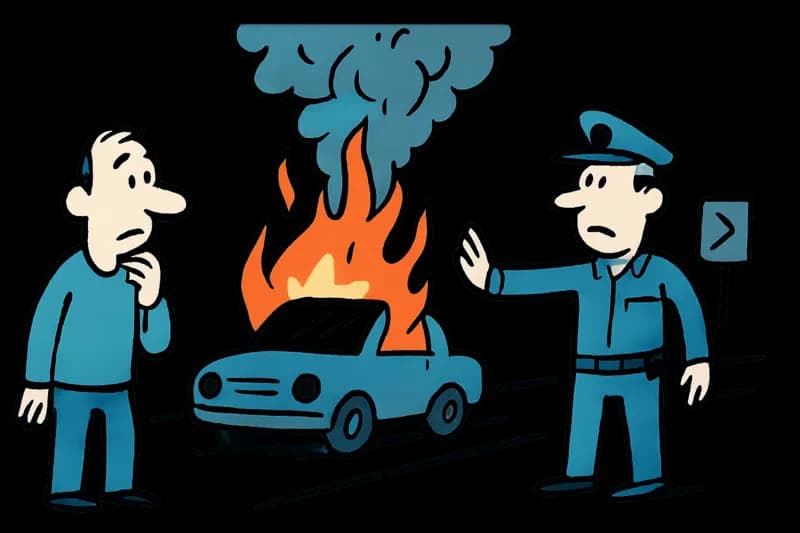
Car on MA-13 near Inca in flames – a safety check for the island
A vehicle caught fire on the MA-13 towards Alcúdia on Tuesday afternoon. The driver was uninjured, the car was destroyed...

Real Estate in Mallorca: Fewer Buyers, Higher Prices — What's Behind It?
Sales on Mallorca are falling, yet prices continue to climb. Why fewer transactions do not equal relief — and what shoul...
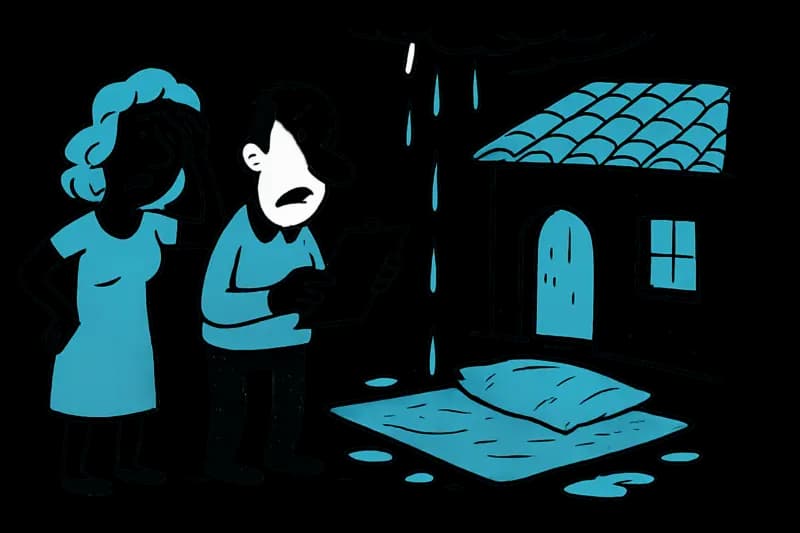
Just Bought — Already Trouble: Water Damage in the Heiters' Villa and What Owners in Mallorca Should Know Now
A newly purchased sea-view property — and within days a water damage. What risks lurk in new properties in Mallorca, and...
More to explore
Discover more interesting content

Can Cap de Bou

Townhouse Lleo 72
