
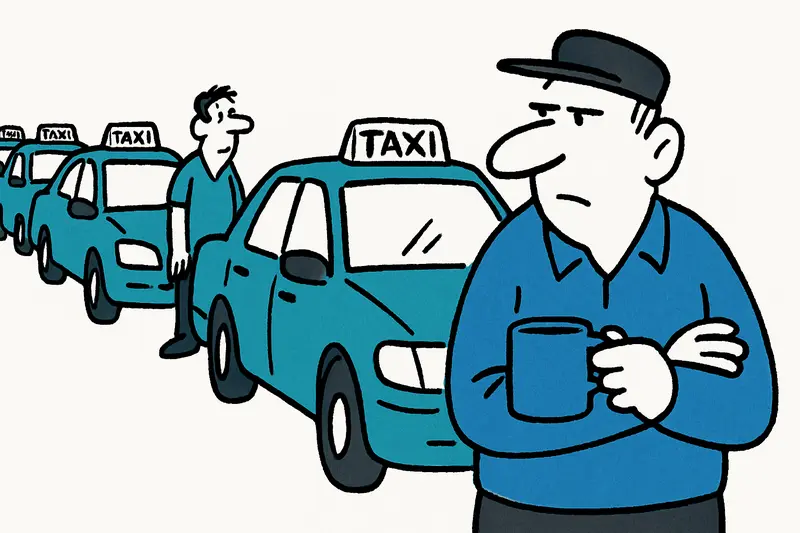
Queues in Can Valero: Why the Taximeter Update Became a Traffic Problem
For days taxis have been queuing in Can Valero: mandatory taximeter updates and centralized appointment scheduling are causing long waits. What went wrong — and how can the chaos be quickly eased?
Why taxis are queuing in Can Valero
In the early morning a smell of diesel, hot rubber and fresh coffee hangs over the Can Valero industrial area. No accident is blocking the road, but something mundane: the obligation to adjust taximeters to a new, uniform fare. For days vehicles have been lining up in long columns, drivers sit on the bonnets or pop back to the bakery, while technicians reprogram one device after another, as reported in Colas de taxis en Can Valero: por qué la actualización del taxímetro se convirtió en un problema de tráfico.
The key question
How can a well‑intentioned fare change become a traffic problem — and who bears the costs of the current chaos? That is the central question behind the queues in Can Valero. It is not just a software update, but about planning, personnel and the consequences for drivers, passengers and the island’s image.
What exactly happened
The new fares are clear: price per kilometer €1.20; base fare €2.50; surcharge for port/airport €4.65. State authorities and municipal offices announced the switch and assigned appointments centrally. According to industry sources, about 160 drivers receive a time slot each day. In practice, however, there are often not enough technicians on site – resulting in jams, delayed appointments and waiting passengers.
Logistical weaknesses
Centralized scheduling sounded sensible on paper. On site, however, it turns out that appointments collide, buffers are missing, and technician absences let the queues grow. Less discussed is that many workshops are not set up for mass appointments; spare parts, cables or compatible control units are sometimes missing, turning simple updates into hours‑long jobs.
Who is hit hardest?
The first victims are the taxi drivers: hours of waiting mean lost income. Manuel from Palma puts it bluntly: “I have an early appointment, but I’m often still stuck in the queue at noon.” For tourists there are delays at airports and ports — peak times coincide with arrival waves, as seen in Más coches, más autobuses: el tráfico en Formentor tras el levantamiento de las restricciones de acceso. And for local traffic, the delays add up to noticeable disruptions in delivery logistics.
Aspects that are often overlooked
People often only talk about queues and coffee. Less visible are the follow‑on costs: higher fuel consumption due to stop‑and‑go, increased wear on brakes and clutches, extra administrative work for drivers who have to collect replacement receipts. Pressure on shift schedules in hospitals or delivery services also rises when taxis do not arrive reliably.
Concrete solutions
There are practical steps that would help in the short term. Mobile service teams could be dispatched directly to designated collection points and program the devices on site. Longer service hours in the evenings or at weekends would relieve the pressure on morning slots. A transparent online platform with real‑time wait times and alternative appointments would give drivers and technicians planning certainty.
In the medium term a decentralized strategy would make sense: training for workshops in the municipalities, certification of mobile technicians and an emergency pool of spare devices. At the political level, a transitional rule could apply that temporarily tolerates minor deviations in the tariff value until the flood of updates has been processed.
What drivers and passengers should know now
Anyone calling a taxi in the next few days should allow extra time. Drivers with an appointment: information about cancellations and alternative slots is important. And anyone traveling in Can Valero: keep your eyes open, drive slowly and be considerate — the scene looks confusing, and it is not always clear where cash payments are taking place or which vehicles will move off soon; similar local signalling problems have caused confusion elsewhere, for example Falsa indicación en Port de Sóller: cuando el cartel de aparcamiento paraliza la vida del puerto.
Looking ahead
The intention behind the uniform tariff is right: transparency for customers and more fairness for drivers. The implementation, however, exposes organizational gaps. If administration and the industry take logistics seriously and create mobile solutions quickly, the problem can be eased fast. Otherwise Can Valero will remain a place for a few days where it is best to arrive with extra time — and a large cup of coffee.
Simple tip for now: book airport transfers as early as possible and check with the taxi center whether the assigned vehicle already has the update. It saves nerves — and money.
Frequently asked questions
Why are taxis queuing in Can Valero, Mallorca?
What are the new taxi fares in Mallorca?
How long should I expect to wait for a taxi in Mallorca right now?
Is the taximeter update affecting taxis at Palma Airport and the port?
What can taxi drivers in Mallorca do if their Can Valero appointment is delayed?
Why did a simple taximeter update become a traffic issue in Mallorca?
What should passengers in Mallorca do if they need a taxi this week?
Will Mallorca’s taxi update make fares more transparent in the long run?
Similar News
First Day, First Consequences: What Palma's Rent Freeze Really Means
A new decree stops a planned eviction in Palma — but what really changes for tenants and landlords? A reality check with...
When Housing Becomes a Matter of Survival: Mallorca Between Rental Frenzy and Everyday Life
The case of 87-year-old Maricarmen showed that on Mallorca many people's lives are poised between affordable and uninhab...

Autumn in Mallorca: When Melancholy Gets a Window
Why autumn quietly tightens here — and how to make use of the mood: walks, culture, candles and the light from Palma to ...
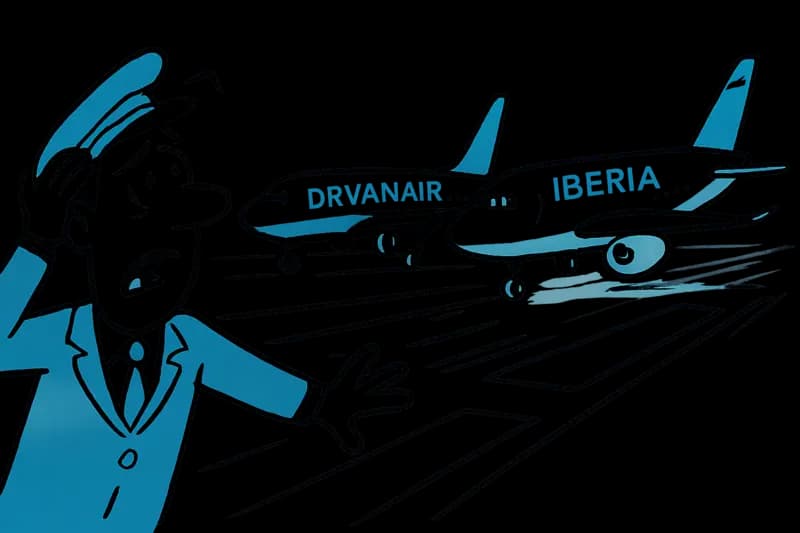
Near-miss on Lanzarote: Landing Ryanair Jet and Iberia Takeoff — what really went wrong
On Lanzarote there was a dangerous incident: A Ryanair flight (FR5910) from Dublin landed on runway 03 while an Iberia E...
Eurowings introduces new Premium Business seats on Mallorca routes
From December 1, selected Eurowings flights to Palma and other destinations will feature eight particularly generous sea...
More to explore
Discover more interesting content

Can Cap de Bou

Townhouse Lleo 72
