
When villas become a small village: Camp de Mar and Son Vida among Spain's luxury addresses
Two streets on Mallorca rank among Spain's most expensive. What does that mean for neighbors, rental prices and the island's character — and are there remedies?
When a house costs almost as much as a small village
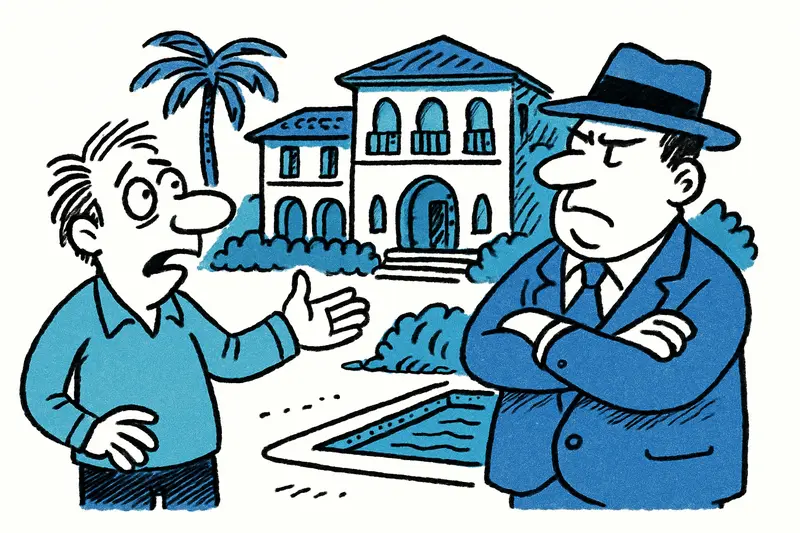
Sometimes a morning walk is enough to understand how close luxury and everyday life lie on Mallorca. In the haze of the sea you can smell pine resin and fresh espresso. Joggers greet each other, a fisherman pulls his boat ashore, and on the slope of Camp de Mar the villas hang like sealed caskets. Two streets, the Camí Salinar in Camp de Mar and the carrer Binicaubell in Son Vida, according to current figures belong to Spain's most expensive addresses – a house there costs almost nine million euros on average. The central question remains: How does so much money change life on the island?
Why do buyers pay seven- to eight-figure sums?
The answer is twofold and, as so often here, a little romantic: sea views, privacy, well-kept driveways and huge plots. Practically, infrastructure and location add to that – quick connections to Palma, international schools, clinics, and an airport you can reach in 20 to 30 minutes. Many buyers, including affluent families from Germany and other countries, are looking for precisely this mix of discretion and proximity to the city. One gardener in Camp de Mar says while trimming cypresses in the early morning: “Here they pay for peace.”
Which consequences are often left unmentioned?
The statistics show peak property prices in the Balearic Islands, but they obscure the everyday consequences. Land prices rise, craftsmen and cleaning companies experience boom times, yet at the same time pressure on the local housing market increases. Young Mallorcans find it harder to find apartments within reach of their workplaces; retirees see familiar neighborhoods change. Less discussed is the seasonal nature of many luxury purchases: some villas stand empty for months, with property managers and private security staff following the owners. That creates temporary jobs – but hardly any permanently affordable housing.
What risks threaten the common good?
A rising real estate market narrows the space for middle-income families and small businesses. The result: restaurants, bakeries and small shops are displaced as rents and lease prices climb. A local taxi operator reports that he does more private trips to superyachts but has fewer regular customers in town. The landscape also suffers when green areas are turned into luxury gardens and water consumption rises during dry summers. These downsides are part of the price an island pays when it is seen as an exclusive refuge.
Are there opportunities behind the numbers?
Yes: money can also be a positive lever here. Good contracts for local firms, investments in restaurant and hotel quality, and increased demand for specialized services create income. If revenues from taxes and fees are used purposefully, they can fund infrastructure improvements, school modernizations or municipal housing projects. What matters is how politicians and municipalities handle these proceeds.
Concrete proposals rather than mere outrage
Some measures that could work pragmatically on Mallorca: first, earmark tourist and luxury taxes to finance social housing. Second, incentives for landlords to offer long-term leases instead of holiday rentals – perhaps through tax breaks or subsidies. Third, promote community land trusts: municipalities or cooperatives buy land to secure permanently affordable housing. Fourth, mandatory quotas for social housing in larger new-build projects. And not to forget: transparent registries for vacancies so that housing is not left unused.
A look at the island: act locally, plan regionally
The challenge can be solved locally, but thinking regionally is necessary. Son Vida and Camp de Mar are visible hotspots – yet the pressure is spread across Palma, Felanitx and other municipalities. Island-wide planning, summer water management and clear rules for short-term rentals would help reduce displacement. At the same time, initiatives for training and fair wages are needed so locals can participate in the upswing. A carpenter in Andratx, who is currently working on three villas, sums it up: “If people can work here, the village stays alive.”
Conclusion: Between park bench and pool
In the end there is an image many Mallorcans know: an elderly woman sits on a park bench in Son Vida watching boats in the bay, not far away a pool glints. The numbers sound surreal – almost nine million for a house – but the question is not only who can afford it. It is about what kind of island we want to be: an exclusive exile for a few or a place with room for the people who make life here possible. The answers lie less in the real estate listings than in municipal decisions, tax laws and the voice of the neighborhood. Walking through Camp de Mar or Son Vida on a quiet afternoon you do not only hear the sea. You also hear the work needed to keep Mallorca not only beautiful, but livable.
Frequently asked questions
Why are villas in Camp de Mar and Son Vida so expensive?
What changes when luxury homes drive up property prices in Mallorca?
Is buying a villa in Mallorca only about status, or are there practical reasons too?
Do luxury villas in Mallorca stay empty for long periods?
What is Camp de Mar like for everyday life in Mallorca?
Why is Son Vida one of Mallorca’s best-known luxury neighborhoods?
Can luxury real estate in Mallorca have benefits for local businesses?
What can Mallorca do to keep housing affordable as luxury prices rise?
Similar News

When Housing Becomes a Matter of Survival: Mallorca Between Rental Frenzy and Everyday Life
The case of 87-year-old Maricarmen showed that on Mallorca many people's lives are poised between affordable and uninhab...
Autumn in Mallorca: When Melancholy Gets a Window
Why autumn quietly tightens here — and how to make use of the mood: walks, culture, candles and the light from Palma to ...

Near-miss on Lanzarote: Landing Ryanair Jet and Iberia Takeoff — what really went wrong
On Lanzarote there was a dangerous incident: A Ryanair flight (FR5910) from Dublin landed on runway 03 while an Iberia E...

Eurowings introduces new Premium Business seats on Mallorca routes
From December 1, selected Eurowings flights to Palma and other destinations will feature eight particularly generous sea...

Car on MA-13 near Inca in flames – a safety check for the island
A vehicle caught fire on the MA-13 towards Alcúdia on Tuesday afternoon. The driver was uninjured, the car was destroyed...
More to explore
Discover more interesting content

Can Cap de Bou

Townhouse Lleo 72
