
"10-Second Rule": How Instant Transfers Are Changing Life in Mallorca
From October 2025 SEPA transfers should arrive at the recipient within a maximum of ten seconds. On Mallorca this means more speed for rental contracts, at the market or dinner — but also new fraud risks. An analysis with practical tips for the island.
Will money now be served as quickly as a café con leche?
The EU says: yes — from 9 October 2025 banks must not only receive real-time transfers but also send them. The so-called "10-second rule" means: money can be in the recipient's account within at most ten seconds, around the clock, on weekends and public holidays. For people in Mallorca, living between Plaça Major and the harbour baker, that initially sounds like freedom from waiting.
The big question
Does speed make payments safer — or does it mainly empower fraudsters? That is the guiding question we should consider in everyday life on the island. Speed changes the rules of the game: reversals take time, certainty must come before the click.
What changes immediately for Mallorcans
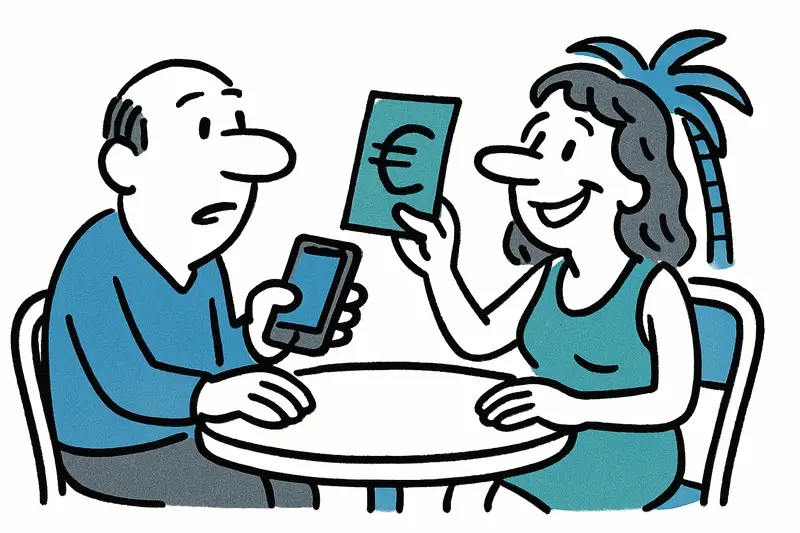
Imagine: it's 9:30 pm on the Plaça Major, you're about to sign the rental contract for the summer apartment — a situation connected to how minimum lease periods are pushing tenants out in Mallorca — or split the bill after a long dinner on the Passeig Marítim. Instead of waiting or improvising with cash, you tap — and ten seconds later the money is there. This applies not only within Spain but across the euro area. Transfers from Munich to Palma will then go through in seconds.
Good news — but not without downsides
One clear advantage: the EU bans extra charges for real-time payments where standard transfers are free. That makes spontaneous purchases at markets like the Mercat de l'Olivar easier, quick refunds after concerts possible, or splitting restaurant bills smoother. For small businesses at the cala, for landlords and event organisers, liquidity can improve.
But caution: speed is not a cure-all against fraud. Banks will in future have to automatically check whether the account name and IBAN match and warn in case of discrepancies. That helps to make "fake finca landlords" and phishing more difficult — but it is not a substitute for human verification.
Which risks are less visible?
Less discussed is how criminal methods could adapt. Fraudsters increasingly rely on social engineering: a plausible message, an urgent tone, an allegedly last-minute appointment — and someone clicks in haste. On an island where many transactions begin in person (a handshake at the harbour, a familiar face at the florist), scammers exploit that familiarity.
This is particularly notable in areas where second homes outnumber permanent residences.
Also: if money is gone in ten seconds, chargebacks are more complicated than with SEPA transfers that previously left hours or days for objections. The question of liability remains decisive — who bears the loss if something goes wrong: the bank, the recipient or the customer?
Concrete solutions and tips for Mallorca
Speed yes, carelessness no. Some practical recommendations that can be implemented directly on the island:
1. Check before you click: Make a short call, ask for the account holder, have details confirmed. On Mallorca a brief phone call is often faster than a complicated email exchange.
2. Make identity visible: For rentals or service providers request a photo of the ID — unusually direct, but proven. Business owners should communicate this politely: a small sticker in the office or a note on the invoice creates transparency.
3. Digital receipts: Screenshots, confirmation SMS or WhatsApp messages with a photo and IBAN can help in case of error. Save transfer receipts immediately.
4. Alternative arrangements: For larger sums use escrow services or trusteeship via established platforms; for market sales offer contactless card payments or QR codes.
5. Local banks and authorities: We should ask local banks to make warning notices visible and to communicate recall processes clearly. An information sheet in branches on Avinguda Jaime III or at Palma town hall would not be a luxury.
6. Education and prevention: Information stands at weekly markets, short workshops in community centres — older island residents in particular benefit from practical exercises to recognise phishing.
A local appeal
The "10-second rule" can make everyday life on Mallorca significantly more convenient: more spontaneous bookings, faster refunds after festivals, less jingling cash in small bars. But speed must not be an excuse for carelessness. A checking glance at the screen, a quick call, a screenshot — it's that simple to protect ourselves here, between the Tramuntana breeze and market calls on a Sunday morning.
Welcome to the era of second transfers: use them smartly, don't trust blindly.
Frequently asked questions
What is the 10-second rule for bank transfers in Mallorca?
Are instant transfers in Mallorca safe, or do they make fraud easier?
Will instant transfers cost extra for people in Mallorca?
How will instant transfers change renting in Mallorca?
Can I use instant transfers to split a restaurant bill in Mallorca?
What should I check before sending an instant transfer in Mallorca?
Why are instant transfers useful for small businesses in Mallorca?
What is the best way to protect yourself from payment scams in Mallorca?
Similar News

From the Reality Studio to the Pitch: Aleks Petrovic Makes Mallorca His Base
The former participant in numerous TV shows moves from Dubai to the island and launches a project with FC Germania Mallo...
When the Phone Falls Silent: Concern for Sarah Joelle in Mallorca — and What It Reveals
After days without a response, the TV personality's unreachability in Mallorca sparked concern. Shortly afterwards an al...

Ultraluxury on the Ground: Four Seasons Jet in Palma — a Reality Check for Formentor and the Island
A high-priced flight crosses Mallorca and its guests stay for days at the Formentor resort. What does the island get bes...

Death of a Witness and the Justice Backlog: Why the Kegel Brothers Trial Matters in Mallorca
A witness in the Playa de Palma fire case has died, and the trial against eight German holidaymakers has been delayed un...

Champagne Reception, Red Carpet and Mini Originals: The Pre-Nit del Art at Gallery Mensing
Almost 400 guests, champagne, pop-art feats by Tom Boston and a raffle for the Parkinson's foundation: Gallery Mensing t...
More to explore
Discover more interesting content

Can Cap de Bou

Townhouse Lleo 72
