
Tupperware Instead of Plates: Why Lunch Breaks at Palma Airport Became a Test of Patience
The canteen at Palma Airport has been closed for months. 15,000 employees face expensive cafés or packed lunches — the cause: legacy debts, insolvency and a failed tender. What should be done now.
Tupperware Instead of Plates: How the Break at Palma Airport Got Stuck in a Holding Pattern
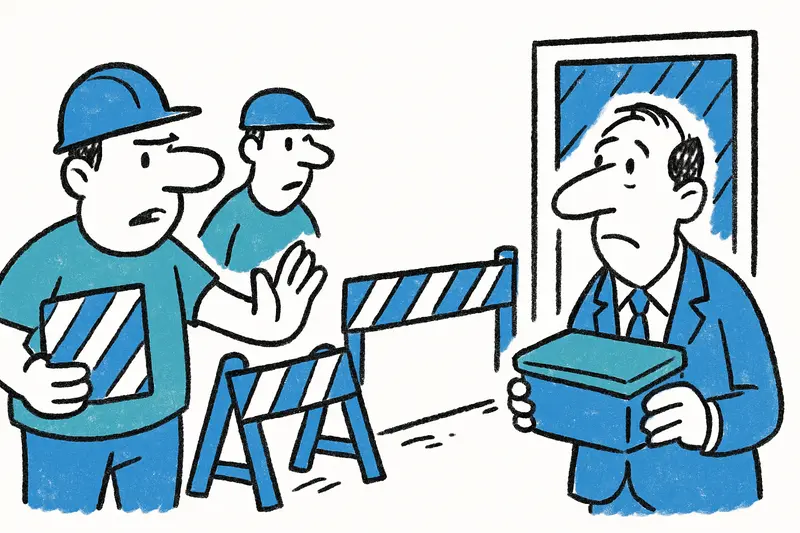
The central question is short and loud: How much longer must the roughly 15,000 people who work at Palma Airport every day get by with a lunch box? According to Palma Son Sant Joan: Airport canteen remains closed — 15,000 employees on hold, the canteen, which used to offer affordable meals, has been cordoned off for months. Fresh paint on the walls and construction fences look like a site without a plan.
The problems behind the barriers
Three issues stand out from the confusion: a five-figure debt to social security, an ongoing insolvency proceeding of the former operating company, and a tender that produced no result. In short: Aena set the lease to zero, but no one stepped forward. The reason is bitterly simple: any potential new operator would have to take on legacy liabilities of more than €400,000. That deters private providers and leaves the hall empty.
For the employees this means: cafés and shops in the passenger area do exist, but a filled sandwich there quickly costs €15 to €20. For shift workers on tight wages that is not an option. The brought lunch box is the daily routine — not out of tradition, but out of necessity. At the same time, 22 former canteen employees are left with unpaid wages: unions speak of around €70,000 in outstanding claims. This is not an abstract amount — these are rent and electricity bills, these are missing salaries.
A perspective rarely heard
Often missing from the public debate is a view of the people behind the work badges: baggage handlers with sunburned necks, ground staff who sip coffee in short breaks between flights, and technicians whose shift schedules do not allow long meal breaks. Anyone who hears the coffee smells and the distant honking of taxis in the morning knows: breaks are tightly calculated. Social pressure increases when the only alternative in the secure area is significantly more expensive.
On the other hand are legal and business hurdles. The former operator points to rising personnel costs, collective wage increases and problems like theft. At the same time, the insolvency has complicated the situation: wages and liabilities now rest with various creditors; courts and lawyers decide, not the people who have to work every day.
Why the system fails — and what is rarely considered
An often overlooked point is the logic of public tenders: standard contracts require that a new provider also assume old obligations. This due diligence is financially sensible, but in crisis situations it can block the market. Also little considered is the role of small caterers. Many could step in at short notice, but they lack the liquidity or creditworthiness to shoulder legacy liabilities or to navigate complex application procedures.
Timing compounds the problem: in the tourist high season pressure intensifies. More flights, more staff, more need for breaks — and still less affordable catering. This also increases the risk of poorer eating habits and long-term health problems among employees. In fact, the new canteen at Palma Airport has stood empty for an extended period, as noted in Palma Airport: More Than Eight Months Without a Canteen — Employees Affected.
Concrete solutions — short-term and sustainable
The debate must not stop at assigning blame. In the short term, simple, effective measures could help:
1. Bridging models: Pop-up kitchens or modular food trucks in the staff car park, operated by small local providers with public start-up funding. These would not need to take on legacy liabilities.
2. Flat-rate compensations: Temporary meal vouchers for shift workers, financed from a fund by Aena and the airport operator — quick, targeted and administratively simple.
3. Debt disentanglement: A trustee mechanism that isolates insolvency claims so that a new operator can start without historical burdens. That would make the tender attractive again.
In the long term, new rules are needed for critical infrastructure at the airport: socially compatible tendering, minimum offerings for employees and a prevention fund that can cushion crises. Cooperative models in which employees or local caterers take shares are also conceivable — less romantic, but practicable.
A small appeal from the car park
When you walk across the car park toward the terminal on a hot morning, it is clear who really keeps this airport running. It is not the shiny runways, but the people in sweat-stained shirts who keep operations going between planes and suitcases. The question is not only economic: it is also one of appreciation. One hopes that warmer times will not just affect the temperature, but also the lunch breaks at Palma Airport.
Frequently asked questions
Why is there still no staff canteen at Palma Airport?
What do workers at Palma Airport eat during their breaks now?
Is it expensive to eat at Palma Airport if you work there?
What could solve the canteen problem at Palma Airport in the short term?
How many employees at Palma Airport are affected by the closed canteen?
What happened to the former canteen employees at Palma Airport?
Why do airport tenders in Mallorca sometimes fail when debts are involved?
Does Palma Airport still need a new staff catering solution?
Similar News
Cardiac arrest in the Tramuntana: Why a rescue often depends on chance
A 47-year-old cyclist suffered a cardiovascular arrest near Lluc. What went well, what is missing in the mountains — and...

Sunset and Sake: How Formentor and Palma Enliven the Late Season
Cabañas, theatrically presented cocktails and a sake spritz on the rooftop: Formentor and Palma blend luxury and everyda...

Between Arrival Hall and Hospital: 109 Capsules, One Case and Many Questions at Palma Airport
A traveler from Belgium was arrested at Palma Airport with 109 cocaine capsules, more than a kilogram. The case shows ho...

Why the Cologne–Palma Flight Stalled in Cologne — a Reality Check
A Eurowings A320 (EW584) came to a halt at the gate in Cologne/Bonn. Passengers had to disembark and wait more than two ...
Cardiovascular Collapse in Peguera: Rescue on the Beach and the Questions That Remain
An 88-year-old Swiss man was recovered unconscious from the sea off La Romana (Peguera) and, after prolonged resuscitati...
More to explore
Discover more interesting content

Boat Tour with BBQ along Es Trenc Beach

Private transfer from Mallorca Airport (PMI) to Pollensa
