

Airbnb U-turn in Mallorca: What happens when thousands of holiday beds disappear?
Airbnb U-turn in Mallorca: What happens when thousands of holiday beds disappear?
Since summer 2025 around 8,000 listings — roughly 40,000 beds — have disappeared from platforms. The agreement between the island council and the platform brings control but also new problems: price pressure, gaps in supply and open questions for residents and municipalities.
Airbnb U-turn in Mallorca: What happens when thousands of holiday beds disappear?
Key question: Can island authorities reclaim housing without crippling tourism?
Since summer 2025, an agreement between the island administration and a major booking platform has ensured that thousands of listings were removed from the web. In numbers: about 8,000 listings and an estimated 40,000 fewer beds. This is an intervention that can be felt in Palma and the coastal towns – fewer rolling suitcases on the Paseo Marítimo in the mornings, emptier listings in the evenings, and in Son Gotleu or El Terreno people are talking about rising monthly rents.
Critical analysis: The measure aims at order and legal certainty. The platform now requires the official registration number; forged or missing numbers are to be automatically blocked, reflecting the platform's move to remove listings without a registration number. At the same time, inspection teams of the island council have been strengthened and carry out more on-site checks. That sounds consistent. But the implementation raises questions: How reliable is the automatic verification of registration numbers against municipal registers? Who is liable if a legitimate apartment is mistakenly blocked? And: Are controls alone sufficient if many landlords prefer to remove their properties from the market entirely rather than comply with formal requirements?
What is missing from the public debate: The discussion focuses on figures and headlines – how many beds are gone, how much do prices rise in summer – and less on processes that permanently secure housing. There is no clear plan for how convertible holiday apartments can actually be transferred into long-term rental housing. Hardly discussed either is how municipalities could speed up approval procedures so that reputable landlords do not prefer the black market because of bureaucracy. And: the role of brokers, managers and neighborhood networks in detecting illegal rentals has so far been underestimated.
Everyday scene from Palma: At the Mercat de l'Olivar, between the smell of fresh sardines and coffee, a market vendor says: 'Guests used to come twice a week, now less. Some apartments are gone, others remain but without registration.' Next to her a taxi driver nods, who picks up tourists from Son Sant Joan in the mornings: 'You notice it by the suitcases and the addresses. Many are legalized, but there are still gaps.' Such small observations show: the change is not abstract; it is audible and visible in the streets.
Concrete approaches: First: a digital interface between the island council, municipalities and platforms that allows real-time matching and reduces false reports. Second: accompanying incentives for landlords who convert their properties into the long-term rental market — tax breaks or grants for renovations tied to a minimum rental period could be conceivable. Third: local contact points in municipalities that quickly review cases and help with registration; many landlords give up because of bureaucracy. Fourth: stronger sanctions against professional operators who systematically rent without a license, combined with transparent control reports for the public. Fifth: cooperation with housing initiatives – municipalities could temporarily allocate vacant, formerly tourist-used properties to social organizations.
Another pragmatic idea: temporary transitional rules so that reputable short-term landlords can gradually adapt to the requirements — for example a reporting grace period plus technical support from the platform. This would prevent the immediate loss of supply that normally stabilizes tourism.
Economic side effects: In the short term price increases during peak times are to be expected because capacity is reduced. This can affect business models in hospitality and gastronomy — but it also offers opportunities for quality-oriented providers: regulated offerings gain trust with guests. For residents, pressure on the housing market could decrease if apartments actually return to the rental market, but that is not automatic. Without accompanying measures, landlords might prefer to sell or leave properties vacant.
What matters now: transparency and speed. The island administration must disclose how many of the removed listings are gone permanently, how many are tied up in procedures and how many will be reapproved after corrections. Municipalities should streamline processes and set clear deadlines, following measures in Madrid that require platforms to delete unregistered holiday apartments. Platforms must continue to help with data, but must not be sole judges — an independent complaints and review procedure is needed.
Concise conclusion: The U-turn is a clear sign that Mallorca is reclaiming the rules. That is necessary; but control alone is not enough. Without practical bridges for landlords, accelerated administrative processes and targeted programs to convert the supply, a double-edged result threatens: fewer illegal holiday beds, but also fewer available rental apartments and higher prices. If the island administration, municipalities and platforms now build concrete transitional paths together, the U-turn can become a real opportunity — otherwise it will remain a clean cut with messy aftermath.
Frequently asked questions
Why are holiday rental listings disappearing in Mallorca?
Will fewer holiday rentals make Mallorca more expensive for visitors?
Can you still find legal holiday apartments in Mallorca?
What should landlords in Mallorca do if their rental is blocked by a platform?
Is it easier now for residents in Palma to find long-term rentals?
How are Mallorca authorities checking illegal holiday rentals?
What does the crackdown on holiday rentals mean for Palma’s tourism scene?
Why are some Mallorca landlords moving properties out of holiday rentals altogether?
Similar News

Rental Car Theft in El Arenal: What This Incident Reveals About Our Gaps
A teenager steals a running rental car in El Arenal, flees on foot, climbs over walls and is caught by the Guardia Civil...
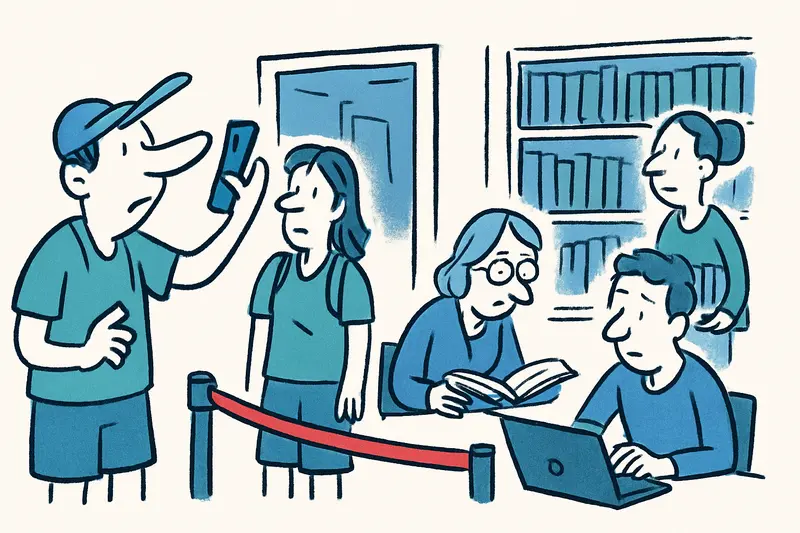
Red Rope in Palma's Library: What Helps Against Selfie Tourism — and What's Missing
Palma's city library cordoned off an area with a red rope to keep selfie tourism away from reading and working activitie...

Fort San Carlos: Museum, Harbor Dispute — and a Conflict That Demands Answers
The military museum at Fort San Carlos sits right on Palma's harbor, with unexpectedly quiet rooms filled with cannons a...
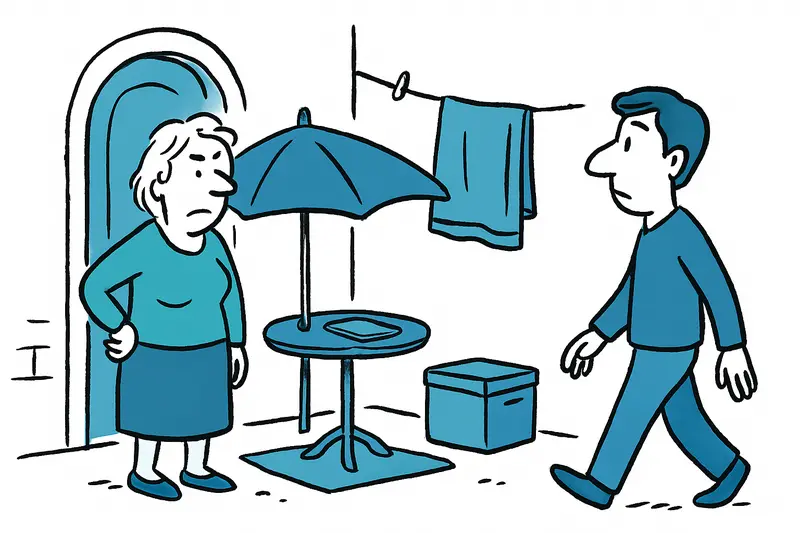
Old Town Under Pressure: When a Doorway Becomes a Sleeping and Shower Place
For months a woman has been living with a parasol, a clothes rack and personal belongings next to the social welfare off...

When Shopping Weighs Heavier: Mallorca Demands a Tax Pause on Food and Fuel
Rising prices are putting pressure on households and agriculture. The Balearic Islands are calling for temporary tax rel...
More to explore
Discover more interesting content

Can Cap de Bou

Townhouse Lleo 72
