
Attacks at Playa del Mago: Trial for Homophobic Violence — What’s Missing in the Debate?
Attacks at Playa del Mago: Trial for Homophobic Violence — What’s Missing in the Debate?
Two attacks at the secluded cove El Mago in the summer of 2024 have reignited a debate on Mallorca: How does the island protect LGBTQ+ visitors and what is going wrong with prevention and victim support?
Attacks at Playa del Mago: Trial for Homophobic Violence — What’s Missing in the Debate?
Main question: Are our beaches really safe for people who travel openly together — and who is responsible?
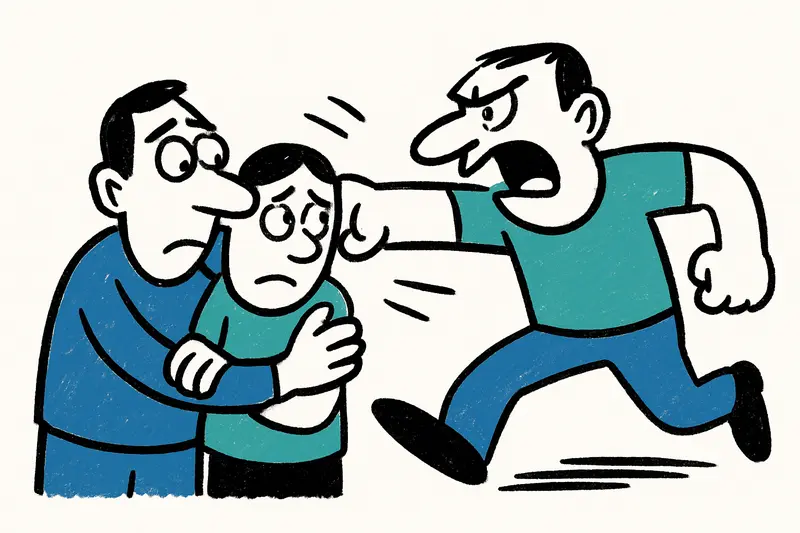
In the quiet coves near Portals Vells, where the sea laps calmly against the rocks in the mornings and the scent of salt and coffee stands drifts across the car park, two brutal assaults occurred in the summer of 2024. A 29-year-old man is now on trial in Palma. The indictment accuses him of acting out of hostility toward the victims' sexual orientation. The prosecution is demanding a total of eleven years and six months in prison as well as compensation payments for two seriously injured holidaymakers.
Brief facts: On August 29, a 45-year-old holidaymaker was allegedly attacked without warning in the area of the Playa del Mago car park. He suffered a traumatic brain injury and a skull fracture; after months of treatment he returned to his home country traumatised. On September 20 there was a second incident: according to the indictment, a man was struck on a coastal path and fell about ten metres down a slope. He also sustained serious head injuries. The Guardia Civil arrested the accused in Marratxí; the trial begins next Tuesday at the Provincial Court in Palma.
Critical analysis: The acts themselves are shocking — their classification as hate crimes brings the debate to another level. It’s not just about two acts of violence, but about how attitudes hostile to acceptance can escalate into physical attacks. The indictment makes motive the basis of the proceedings: investigators say the victims' sexual orientation played a role. How effective are reporting systems, witness support and victim assistance networks? Similar incidents have been reported elsewhere on the island (see Arrests after threats at the city beach).
What has so far been missing in the public discussion: firstly, prevention. There is no island-wide strategy on Mallorca to make remote coves specifically safer, even though they are sometimes preferred meeting spots for certain groups. Secondly, victim support: psychological follow-up beyond emergency care often remains patchy, especially when victims quickly return to their home countries. Thirdly, data transparency: reliable figures on hate crimes on the island are lacking — without data it is difficult to set priorities. This lack of strategy contrasts with other violent escalations, such as Brawl at Playa de Palma: Why a verbal exchange could have ended fatally.
An everyday scene to put it in context: anyone who drives to Playa del Mago on a Sunday knows the picture — tight parking spaces, groups of tourists, a few anglers on the rocks. You see couples, older people in straw hats, young people with backpacks. This mix makes the island charming, but it also makes places vulnerable: no lit paths, little direct sight into parking bays, and on some days only a few passers-by who could serve as witnesses.
Concrete solutions: - Strengthen local prevention: targeted foot patrols during the summer months, closer coordination between the Guardia Civil, municipal police forces and tourism authorities. - Increase visibility: clear signage at parking areas and access roads about points of contact for victim support and emergency numbers. - Expand victim assistance: partnerships with LGBTQ+ organisations that can offer short-term and remote support, including trauma therapy after return to the home country. - Transparent recording: open statistics on reported hate crimes in the Balearics so measures can be planned based on evidence. - Awareness campaigns: for locals and tourists, in multiple languages, making it clear that hate crimes are not a local triviality.
Technical measures also help: CCTV at access roads to remote coves, better signage, emergency call pillars at prominent points. These steps do not replace criminal proceedings — but they reduce situational conditions that facilitate attacks. It is important that prevention does not turn into blanket surveillance; it must be proportionate and targeted.
What the court proceedings cannot achieve: the restoration of trust and security for victims and visitors. Prosecution is necessary, but dealing with homophobia in society, supporting the traumatised and securing vulnerable locations are tasks for politics, administration and civil society alike (see debates over sentencing in other cases such as Playa de Palma: Probation after Elevator Assault — Enough Justice for Guests?).
Sharp conclusion: The cases at Playa del Mago expose how vulnerable some island spots are — not only physically but morally. The upcoming trial will determine whether the perpetrator is held accountable for his acts. But if we truly want people to be able to spend their holidays here without worry, the verdict must be only the beginning. Mallorca needs clear prevention structures, better victim support and an honest debate about protecting vulnerable places — otherwise there is a risk that such scenes will recur.
Frequently asked questions
Is Playa del Mago in Mallorca safe for tourists?
Are Mallorca’s remote coves safe to visit in summer?
What should I do if something happens at a beach in Mallorca?
How can tourists support hate-crime victims in Mallorca?
Why are remote Mallorca beaches harder to protect?
What happened at Playa del Mago near Portals Vells?
Where is Playa del Mago in Mallorca?
What kind of safety measures could help at Mallorca’s quiet beaches?
Similar News

More Electric Cars in the Balearic Islands: Sales Rise Sharply
Between January and August, 14,185 vehicles without petrol or diesel propulsion were sold — an increase of more than 40 ...
Autumn in Mallorca: What Truly Remains of Summer
The days grow shorter, the evenings cool — and yet more of summer lingers than you might think: sounds, recipes, people,...
Rescue operation at Tolleric: Why nighttime cliff parties become dangerous
A British holidaymaker fell about ten meters at the cliffs of Tolleric during the night, later climbed back up and was r...
Car accident on the MA-1: Mother and daughter on a bicycle struck by a fellow countryman – Who protects cyclists here?
On the MA-1 between Portopí and the Cala Major exit, a mother and her daughter on a bicycle were struck by a car. A para...
Smoke over the UIB: Who is responsible for the fire on the roof?
On Saturday afternoon a fire broke out on the roof of the Arxiduc Lluís Salvador building at the University of the Balea...
More to explore
Discover more interesting content

Can Cap de Bou

Townhouse Lleo 72
