
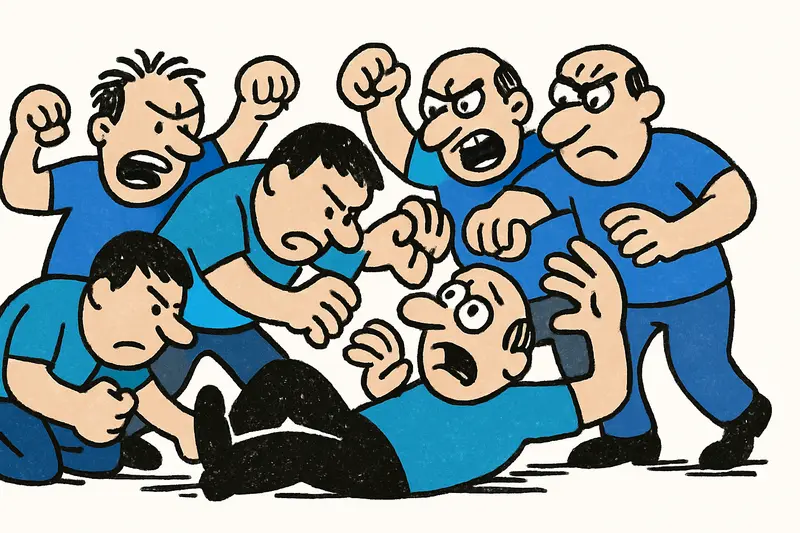
Brawl at Playa de Palma: Why a verbal exchange could have ended fatally
In the early morning hours a dispute at Playa de Palma escalated: six holidaymakers were arrested and a nightclub employee was seriously injured. Why do such attacks happen and what needs to change?
Nighttime brawl at Playa de Palma: More than just an incident
It's 1:40 a.m., the promenade still smells of salt, frying oil and the sweet remains of sangría. A verbal exchange suddenly turns into physical contact, screams, cries for help. In the end a 48-year-old nightclub employee lies unconscious on the ground, six holidaymakers are temporarily arrested. That's the short version of an evening that is wearing on the nerves of many residents and workers at Playa de Palma.
Who was involved — and what remains unanswered?
The National Police give clear numbers: four arrests of Austrian nationals, two men from Bosnia. All are said to have been staying at a nearby hotel and were detained there by officers, a pattern seen in Nighttime escalation at Playa de Palma: When a mobile phone leads to a home takeover. The victim, according to eyewitnesses responsible for the hall in the nightclub, suffered serious injuries – initial reports indicate multiple vertebral fractures. Medical prognosis: good chance of survival, recovery will take months.
The central question hanging over this incident is not just "who struck?", but: Why do local altercations on this stretch of the island escalate so quickly and violently?
Behind the numbers: causes rarely discussed
The answer is multi-layered. Alcohol of course plays a role; loud music and cramped spaces amplify emotions. But often overlooked: bar and club staff work long nights, are exhausted, and are left alone with verbal provocation. Security staff are not always sufficiently trained in de-escalation; routine checks have also escalated before, as reported in Tumults at Playa de Palma: When Controls Threaten the Beach Scene. Added to that is seasonality: in late summer Playa de Palma is still crowded, often with thin staffing.
Another problem area: the interfaces — between venues, hotels and police. In this case hotel staff helped identify the suspects; often, however, fixed communication channels, rapid reporting chains or common rules on how to deal with aggressive guests are missing.
And an aspect that rarely makes the headlines: the responsibility of event organizers and tour operators. Package deals that rely on low prices and heavy drinking create expectations that can lead to conflicts. Language and cultural misunderstandings add to this.
What harms Playa de Palma — and what can help?
Such incidents tarnish the image of a promenade that many people regard as a lifeline: taxi drivers, hotel receptionists, small bars that wipe tables in the morning, the garbage collection squeezing past the dark promenade. An employee of a bar opposite told us he expects stress, but "you don't expect someone to break four vertebrae." This is not an isolated case but a warning signal.
Practical approaches that could help:
1. More and better training: mandatory de-escalation and first-aid courses for service and security personnel. If staff know how to calm a situation and how to initiate life-saving measures, the risk of serious outcomes decreases.
2. Clear reporting chains: a digital hotline or quick contact between hotels, organizers and the police. Often time decides — video recordings from the promenade and interiors should be secured faster.
3. Responsible tourism marketing: fewer incentives for excessive alcohol consumption in package deals, more information on codes of conduct and sanctions for violence.
4. Data-driven police presence: targeted operations at peak times instead of purely symbolic patrols. Prevention rather than reaction saves injuries.
5. Support for those affected: legal and medical assistance for injured employees, but also psychosocial services for eyewitnesses and staff.
A local appeal
Late at night Playa de Palma is a mosaic of voices: loud laughter, revving scooters, occasionally the distant call of a bouncer. It is a livelihood for many — and it is vulnerable. The arrests after this brawl show that police and hotels can work together, as in Arrests after threats at the city beach: Why an evening stroll must become safer again. But that is not enough.
Structure, prevention and a measure of common sense are needed: those out late should not delegate responsibility to others, and those who create night-shift jobs should ensure their safety. Otherwise more nights will follow in which a brief exchange of words permanently changes people's lives.
The National Police investigation continues; witnesses and video material are being evaluated. For Playa de Palma the question remains: how many warning signs does a promenade need before something fundamentally changes?
Frequently asked questions
Why do late-night incidents at Playa de Palma sometimes escalate so quickly?
Is it safe to go out at Playa de Palma at night?
What should I pack for a late-summer trip to Mallorca if I plan to spend time at Playa de Palma?
Can you still enjoy Playa de Palma if you want a quieter holiday in Mallorca?
What role do hotels play when there is trouble at Playa de Palma?
What can bars and clubs in Mallorca do to prevent violent incidents?
Why do some holiday areas in Mallorca struggle with alcohol-related trouble?
What should I do if I witness a fight at Playa de Palma?
Similar News
Why the Striped Breams in Cala Pí Should Be a Wake-up Call
Once again bathers in Cala Pí were surrounded while swimming by small, nippy fish — some wounds bled. Time for clear rul...

Daily from New York: How Palma's Air Traffic Is Growing — and What Must Change
United will increase the Newark–Palma service to daily flights in 2027 (Boeing, 231 seats). Strong tourist numbers clash...

When Love Ends in Shards: Destruction in Son Vida and the Questions That Remain
In Son Vida a relationship dispute escalated: a woman destroyed furniture in a luxury villa, later pressed a panic butto...
Who Bears the Burden? Mallorca Between Tenant Protection and Landlord Fears
Madrid's new housing decrees strengthen tenant rights — but on Mallorca concern is growing: will the law drive small lan...
On the Edge: What Mallorca's Airport Loses If a Major Low-Cost Carrier Falters
The company that operates numerous connections from Palma to France and domestically is negotiating with creditors to re...
More to explore
Discover more interesting content

Can Cap de Bou

Townhouse Lleo 72
