
Arrest after fires in S'Albufera: A reality check for prevention and protection
A 72-year-old man was arrested in S'Albufera. Why repeated fires were possible, which gaps remain, and what must happen now.
Arrest after fires in S'Albufera: A reality check for prevention and protection
What the arrest of a 72-year-old reveals about handling fires in Mallorca's largest wetland
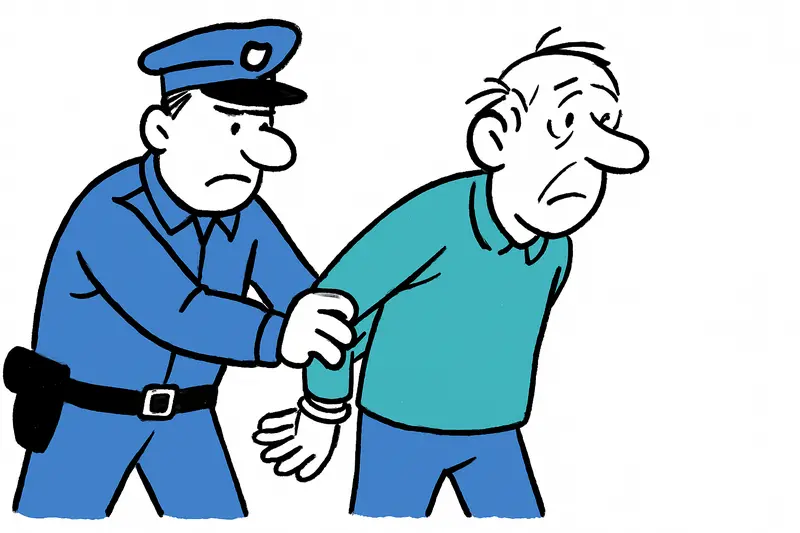
The report at first sounds like something out of a crime novel: an elderly man is caught in a reed bed of the S'Albufera nature park near Alcúdia, found with several lighters and paper, after investigators followed up on tips from the public (reported in Fire in s'Albufera near Alcúdia: Who saw the white car?). That this happened in February — weeks after an orange warning for strong winds — makes the situation particularly sensitive. The facts are clear: the suspect, 72 years old, was at the center of an investigation that had already begun in 2024. On 11 February he was brought before a judge and released with conditions; he is now banned from entering the nature park.
Key question: Why was someone able to set fires repeatedly in a sensitive protected area for months, and what does the arrest say about prevention, monitoring and communication on site?
Critical analysis: At first glance detection and prosecution appear to work — witnesses reported observations, environmental officers and local police cooperated, and conservation and Seprona units were involved. Nevertheless, fires still occurred: one incident affected 9,200 square meters, another 170 square meters; local coverage of the rapid outbreaks is detailed in Wildfire in s'Albufera: Six Fires Quickly Extinguished — but Questions Remain. That the accused apparently returned repeatedly to the same spots suggests either a pattern of negligence or gaps in vigilance. Observations from the public provided the decisive lead, but they are not a permanent alarm system. When wind speeds are high and reeds ignite quickly, minutes are crucial — and those minutes are often not available if response depends solely on sightings by walkers; the pattern of multiple ignition points has been highlighted in Nighttime Fires in S'Albufera: Six Ignition Points — How Do We Protect the Wetland?.
What is missing from the public debate: three issues are hardly discussed. First: the question of causes — is this deliberate arson, vandalism, mental health problems, or a combination? Second: the role of preventive infrastructure — are there sufficient access routes for emergency services, sensors, or simple fire breaks? Third: the long-term strategy for S'Albufera as a protected area in an increasingly dry season. Media reports describe arrests and area figures; very little is said about therapeutic care, prevention programs or targeted protective measures.
An everyday scene from here: on a windy morning at the Sa Pobla observation tower you can still smell scorched reeds. Birdwatchers with binoculars withdraw, tense hotel staff in Platja de Muro speak quietly about smoke plumes some guests had seen from their rooms. On the way to Alcúdia a conservation vehicle slowly cruises the edge of the park; two drivers discuss patrol times — no one seems surprised that a single spark can destroy the peace of the wetland in an instant.
Concrete approaches: 1) A multilayered prevention network: regular patrols during high-risk periods, clear closures during alert levels and visible notices for visitors. 2) Fast reporting channels: a combined hotline/WhatsApp number for suspicious cases and observations that forwards reports directly to local response teams. 3) Small, targeted interventions in vegetation where spread is most likely — meaning controlled clearings rather than large-scale removal. 4) Increased mobile presence: bicycle patrols and recurring checks by UPRONA, local police and volunteers during critical months. 5) Social and health measures: access to psychological counselling and programs for repeat, allegedly deliberate arsonists; older offenders often need different solutions than imprisonment alone.
Practically this would mean better coordination between municipalities (Sa Pobla, Muro, Alcúdia), clear operational plans tied to AEMET alert levels, and a modest investment in early-warning technology — smoke detectors at observation towers or simple cameras at key points could buy minutes. It's not about surveillance at any price, but about smart, targeted measures that protect the sensitive ecosystem without closing it off to visitors.
Pointed conclusion: The arrest is important — it shows that authorities can act. But it must not be the end of the debate. The incident reveals systemic weaknesses: prevention must not rely solely on chance witnesses; protected areas need a mix of human presence, clear rules and technical aids. Otherwise S'Albufera risks what many here fear: a piece of nature that gradually loses safety because warning signs are not turned into lasting solutions.
At the edge of the park, when the wind moves across the reeds, you still hear it: a soft rustle that recalls fragile silence. Preserving that silence is now the responsibility of municipalities, authorities and all of us — and that must follow the arrest, not just relief.
Frequently asked questions
Why are fires in S'Albufera in Mallorca so dangerous?
What should you do if you see smoke in S'Albufera nature park?
Is it safe to visit S'Albufera after a fire in Mallorca?
When is the fire risk highest in S'Albufera, Mallorca?
What kind of prevention helps protect S'Albufera from wildfires?
What happened after the arrest linked to fires in S'Albufera?
Why is S'Albufera near Alcúdia so important for Mallorca?
Can strong wind make a fire in Mallorca's wetlands spread faster?
Similar News

The Maricarmen Case: Why an Eviction Is Forcing Spain's Housing Debate
Images of an 87-year-old woman on a stretcher have sparked a debate in Spain that also runs deep in Mallorca. Who protec...
Parking dispute in Els Hostalets: When a gap leads to violence
A parking dispute on Calle Aragón escalated into a mass brawl at night. Why do trivial conflicts here turn bloody so qui...
Bodycams in Palma: More clarity needed so surveillance doesn't become the norm
Palma's local police equip UII officers with Axon Body 4 cameras. Useful for evidence collection — but specific rules on...

When the Bread Door Closes: Why Maria de la Salut Lost Its Last Bakery
The only bakery in Maria de la Salut, a sales outlet of Forn de ca'n Joan Terès from Palma, has permanently closed. What...

Ancient Piece Brought to Light: Guardia Civil Recovers Roman Anchor Fragment off North Coast of Mallorca
Divers from the Guardia Civil recovered a massive iron piece from Roman times off Mallorca's north coast. The roughly 35...
More to explore
Discover more interesting content

Can Cap de Bou

Townhouse Lleo 72
