
Nighttime Fires in S'Albufera: Six Ignition Points — How Do We Protect the Wetland?
Smoke over Playa de Muro: Several fires broke out in S'Albufera, investigators suspect arson. Why does this hit a protected area so hard? And what needs to change?
Nights with Smoke: S'Albufera in Danger Again
Around 11:10 p.m. late Thursday night thick plumes of smoke moved over Playa de Muro, a smell of burned reeds wafted through the streets — some guests at Eix Lago first thought it was people barbecuing on the beach, then they saw flames. Eyewitnesses photographed the fire sites and alerted emergency services; shortly after, searchlights and the sirens of the fire department began to break the silence. The episode was later reported in Wildfire in s'Albufera: Six Fires Quickly Extinguished — but Questions Remain.
Six Separate Ignition Points — Investigators Assume Intent
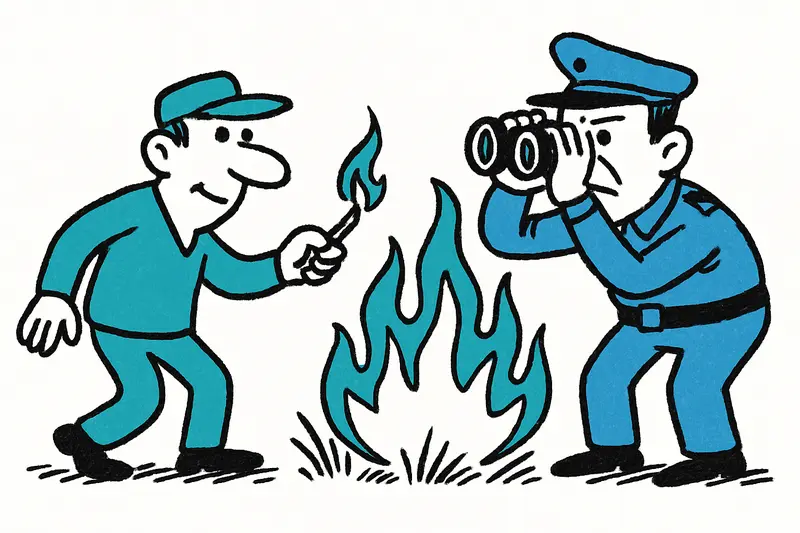
The Guardia Civil and the conservation service Seprona took over the investigations that same night. On site, responders found up to six separate ignition locations: two fires in the bushy core of the protected area and four smaller fires on adjacent plots of agricultural land. Such a clustering leaves little room for coincidence: authorities are treating the case as deliberate arson. The Guardia Civil has appealed for witnesses, as noted in Fire in s'Albufera near Alcúdia: Who saw the white car?.
The operations lasted for hours: firefighters from Artà, Inca and Alcúdia fought the flames, supported by the Muro civil protection service, technical staff and employees of the Ibanat institute. Around 2:30 a.m. the forces reported the situation was under control; initial estimates speak of about 0.4 hectares damaged by the two ignition points alone. Fortunately no people were injured and residential buildings were spared.
But S'Albufera is not an ordinary piece of land. The wetland is a living map of reeds, freshwater pools and bird colonies — a place where every spark can have far-reaching consequences. A resident reported in the morning that he still smelled ash and smoke in the air while his dog sniffed along the paths. The morning silence was different, less birdsong, more nervous rustling.
A Key Question: Why Do Fires Occur Here and How Can We Prevent Them from Returning?
The obvious answers — dryness, wind, human carelessness — cover only part of it. Less discussed is the spatial interweaving of the protected area and intensive agriculture, which creates particular risks in northern Mallorca. Fields, dry hedges and storage areas often border directly on the reserve; a discarded cigarette, an unattended campfire or burning plant residues are enough for a fire to spread quickly.
Tourist presence also plays a role. Walkers, cyclists and birdwatchers bring life to the lagoons — but also litter, fire pits or thoughtless actions. The balance between public access and protection is fragile. Added to that is the question of staffing: do the fire departments and Ibanat teams have enough personnel and modern equipment to be able to respond immediately during the critical summer period? Broader questions of national preparedness have been raised elsewhere, as in Spain is Burning: Fire Traces as Far as Mallorca – Is the Country Really Prepared?.
Concrete Approaches Instead of Phrases: What Is Needed Now
First: prevention before repression. Better signage at sensitive access points, targeted information campaigns in hotels and with landlords, and simple bans such as no-smoking during high fire danger could prevent many scenarios. A short info sheet at check-in in beach hotels like Eix Lago would help — direct, clear instructions often replace long regulations.
Second: technology and presence. Drones with thermal cameras could detect hotspots early at night; temporary cameras at strategic points and increased patrols in the evening hours would be a visible signal. Mobile water reserves and additional fire units in the high season would also shorten response times.
Third: involve agriculture. Talks with farmers about safe practices for burning plant residues, buffer strips between fields and the reserve, as well as financial incentives for fire prevention could reduce many risks. Those who work the land should be partners in protecting the fragile ecosystem — not a potential source of danger.
What the Investigation Needs Now — and How Citizens Can Help
The Guardia Civil asks for information: photos, videos, timestamps or observations of suspicious people can be crucial. This is not just a formal request — for conservation and prosecution concrete traces are often the key. If you saw lights, vehicles or people near S'Albufera during the night, report it.
Another important point: communication. Authorities must be transparent about the damage, the investigations and possible protective measures. That builds trust in the affected communities of Muro and Alcúdia and facilitates the cooperation of all involved.
Conclusion: The fires in S'Albufera are a wake-up call. It's not only about protecting a beautiful place, but about the responsibility towards a complex ecosystem that hosts numerous bird species and rare plants. In the short term, quick investigations and the willingness of the population help. In the medium term we need better prevention, technical upgrades and closer cooperation between agriculture, municipalities and conservation. Only then will the night sound here again be the chirping of cicadas — not the crackling of fire.
Frequently asked questions
Why do fires keep starting in S'Albufera, Mallorca?
Is it safe to visit S'Albufera after a fire in Mallorca?
What should I do if I smell smoke near Playa de Muro or S'Albufera?
How can visitors help protect S'Albufera in Mallorca?
What makes S'Albufera so vulnerable to fire?
Who is investigating the fires in S'Albufera, Mallorca?
What can hotels and landlords do to reduce fire risk in Mallorca?
Why is protecting S'Albufera important for Mallorca?
Similar News

Maribel: Five Decades of Service – Housekeeper from Peguera Celebrated with a Special Honor
Over 50 years in the hotel business: María Isabel “Maribel” Molinos was honored in Palma at the Nit del Turisme by Unive...
Orange Alert over Parts of Mallorca: Are We Prepared?
Dark clouds and an announced wet spell have triggered an Orange alert in parts of Mallorca. A reality check: what's miss...

Sundair & Co.: Sale speculation and what it could mean for Mallorca
Rumors about a possible sale of the airlines Sundair and Fly Air 41, which belong to Schauinsland-Reisen — and whether b...
Anne Wünsche in Mallorca: A job offer with a catch — who fits the role of personal assistant?
Influencer Anne Wünsche has left Berlin and is urgently looking for a full-time personal assistant in Mallorca. Why the ...

Daily from New York: Palma Between Boom and Strain
United will increase the Newark–Palma route to daily flights in 2027 using Boeing aircraft (231 seats). What does the in...
More to explore
Discover more interesting content

Can Cap de Bou

Townhouse Lleo 72
