
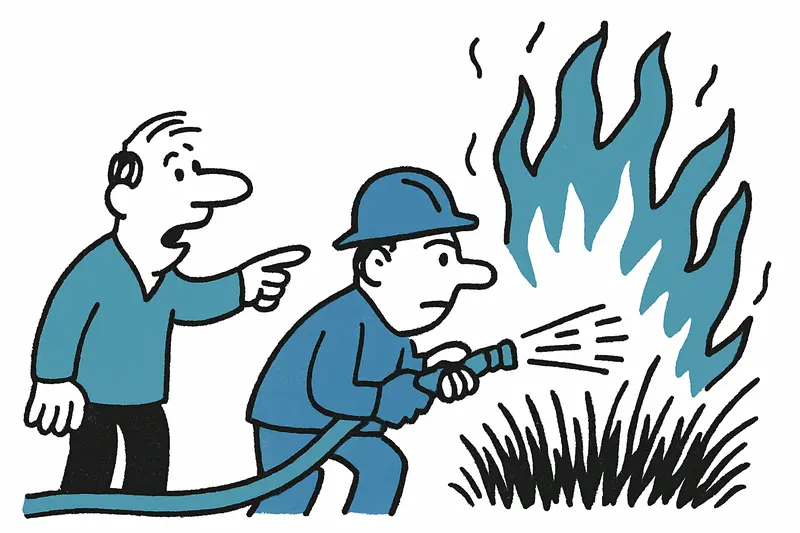
Wildfire in s'Albufera: Six Fires Quickly Extinguished — but Questions Remain
In the evening six separate fires flared up in the northern part of the s'Albufera nature park. Firefighters and forestry teams were able to extinguish the flames overnight — but establishing the causes and implementing protective measures remain urgent.
Fire in s'Albufera: Could this blaze have been prevented?
Yesterday evening, shortly after 8:00 p.m., smoke was first noticed on the edge of the northern part of s'Albufera, between Can Picafort and Muro. Walkers alerted the control center, twilight turned the sky orange and within minutes blue lights appeared in the distance, as reported in Nighttime Fires in S'Albufera: Six Ignition Points — How Do We Protect the Wetland?. The central question that remains: could this fire have been prevented — and if so, how?
Six separate fires, rapid response
Emergency teams counted a total of six separate fire outbreaks. Island-wide fire brigades worked together with local forestry teams; police patrols secured access routes so that fire engines and ambulances could advance unhindered. A stroke of luck: according to the incident command, the fires were brought under control and fully extinguished the same night, as covered in Fire in s'Albufera near Alcúdia: Who saw the white car?. There were no injuries.
What could be seen and heard on site
A resident of Muro, who was out walking his dog at 8:15 p.m., described the scene: “First the smell, then the orange in the reeds. Within fifteen minutes the vehicles were there.” In the evening the rustling of the reeds was barely audible, seagulls circled above the lake, and the streetlights cast long shadows. Several promenades and access roads remained closed while crews performed overhaul work and secured hotspots.
The often overlooked problems
It is well known that a wildfire in such a sensitive habitat can quickly become dangerous. But what is often little discussed is how infrastructure and visitor management influence operations. Densely packed reed beds, narrow access roads and a lack of water extraction points make quick extinguishing difficult. Added to this was the weather: a dry east wind in recent days made even small sparks dangerous.
Another, rarely considered weak point are overgrown edge areas and irregularly mown buffer zones. If firebreaks are missing or not regularly maintained, a fire can ignite at several points — exactly the scenario with the six outbreaks yesterday.
Cause: still open, but not trivial
The police have launched investigations. Whether negligence, a discarded cigarette or even deliberate arson lies behind the fires is still unclear. What is often overlooked: seemingly harmless behaviors — glass bottles in the sun, sparks from machinery or leftover barbecue coals — can become igniting under the right combination of circumstances. Every tip counts; anyone who saw anything unusual last night in the Can Picafort–Muro area should contact the police.
Concrete weaknesses — and how to fix them
From the experience of the emergency services and forestry experts, several concrete improvements can be derived:
1. Better infrastructure for firefighting: Permanent water extraction points, small firefighting ponds or mobile tanks along the access routes would significantly reduce response times.
2. Regular maintenance of buffer zones: Maintained firebreaks and controlled mowing can prevent spread. This is work that must be planned regularly — not only after a fire.
3. Technical support: Drones for early detection, thermal imaging in the early hours and solar pumps for water could help, especially in hard-to-reach areas.
4. Prevention and education: Clear signs, information stands on weekends and increased controls on popular paths. Many visitors underestimate how quickly sparks or a cigarette butt can have an effect.
5. Volunteer programs: Trained neighborhood teams who patrol during peak times support the professionals and increase the number of reports.
Willingness to help and aftercare
After extinguishing, crews secured hotspots, filled ditches with water and created additional firebreaks. Volunteers brought drinks for the emergency teams and helped with cordons. Now the assessment of ecological damage begins: ground fires can damage peat layers, and the reeds as shelter for birds are at risk. Forestry and environmental protection teams are currently examining how the flora and fauna can recover.
Outlook: More than mere appeals
The situation is stable, but calm must not turn into complacency. In addition to law enforcement and awareness-raising, s'Albufera needs a structured management plan: water infrastructure, regular maintenance of buffer zones, technical early warning systems and a clearly communicated visitor management. This is not witchcraft, but planning, funding and political will.
For all who regularly visit the park: keep distance, do not leave waste, no open flames — and call the emergency number immediately if smoke is visible. If neighbors pitch in and authorities follow through, s'Albufera has a real chance to remain a protected place that provides space for both people and wildlife.
Frequently asked questions
What should you do if you see smoke in s'Albufera, Mallorca?
Why is fire such a serious risk in s'Albufera?
When is the fire risk highest in Mallorca's wetlands?
Can visitors still walk through s'Albufera after a fire?
What caused the fire in s'Albufera near Can Picafort and Muro?
What makes firefighting difficult in s'Albufera, Mallorca?
What can help prevent wildfires in Mallorca's protected areas?
Why are firebreaks important in s'Albufera?
Similar News
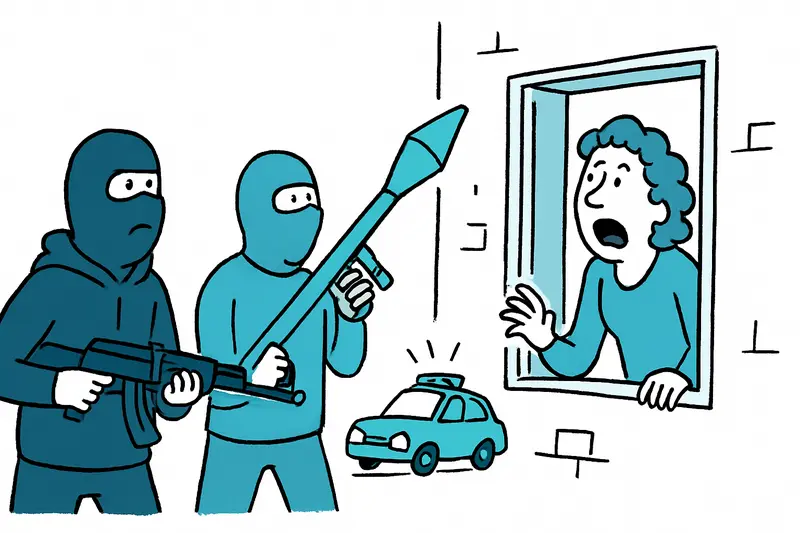
Masked Images, Real Panic: When Social Media Aesthetics Alarm Neighbors
Five German content creators filmed on a recently vacated detention site using deceptively realistic props. The result: ...
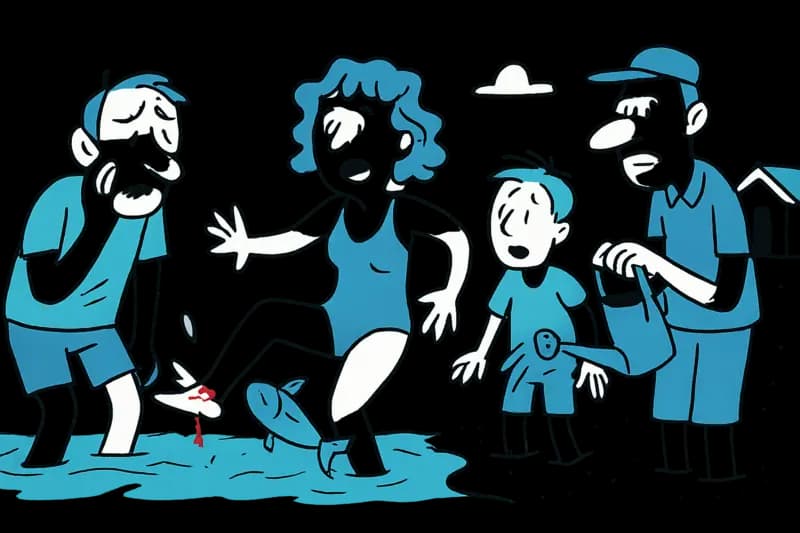
Why the Striped Breams in Cala Pí Should Be a Wake-up Call
Once again bathers in Cala Pí were surrounded while swimming by small, nippy fish — some wounds bled. Time for clear rul...

Daily from New York: How Palma's Air Traffic Is Growing — and What Must Change
United will increase the Newark–Palma service to daily flights in 2027 (Boeing, 231 seats). Strong tourist numbers clash...

When Love Ends in Shards: Destruction in Son Vida and the Questions That Remain
In Son Vida a relationship dispute escalated: a woman destroyed furniture in a luxury villa, later pressed a panic butto...
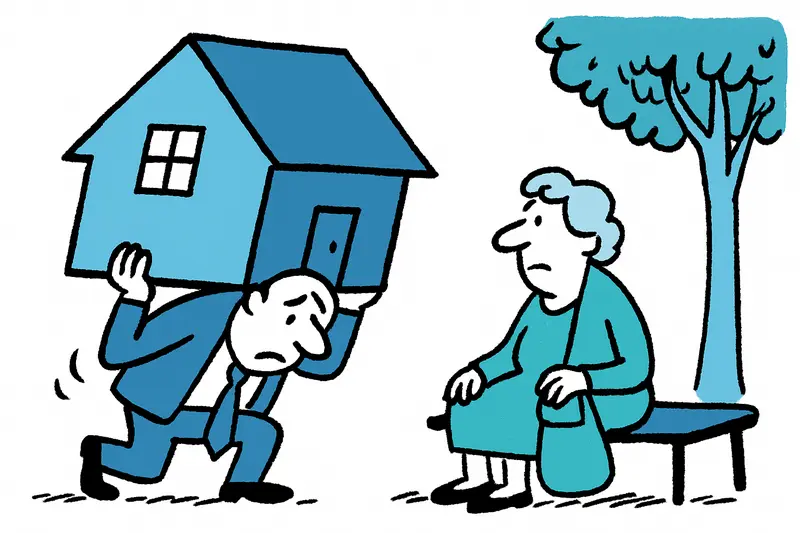
Who Bears the Burden? Mallorca Between Tenant Protection and Landlord Fears
Madrid's new housing decrees strengthen tenant rights — but on Mallorca concern is growing: will the law drive small lan...
More to explore
Discover more interesting content

Can Cap de Bou

Townhouse Lleo 72
