
Nighttime escalation at Playa de Palma: When a mobile phone leads to a home takeover
Two tourists were arrested after they allegedly tried to storm a holiday apartment at Playa de Palma — the incident raises questions about safety, hosts' responsibilities and nighttime communication.
Nighttime escalation at Playa de Palma causes head-shaking
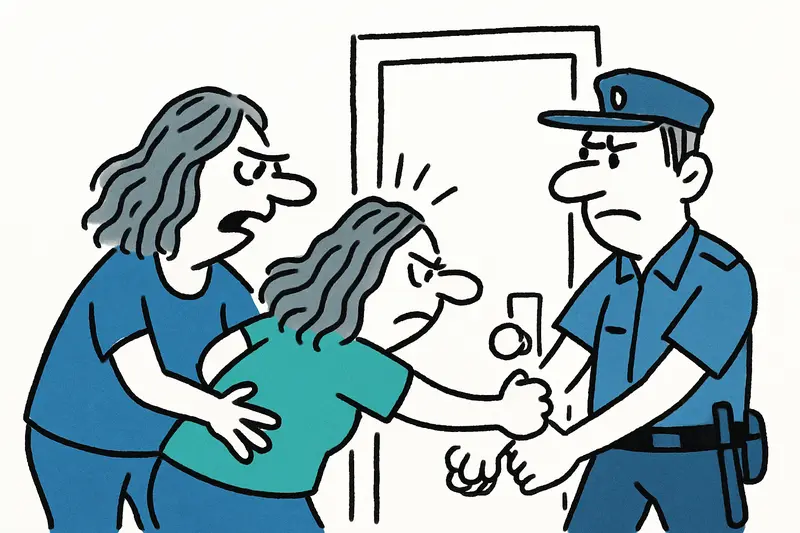
On a cool night at Playa de Palma, pierced by air conditioning and loud music, what began as a party story suddenly turned into a serious incident this week: two holidaymakers are said to have tried to forcefully enter a holiday apartment at around 3:30 a.m. The National Police arrested the women on site. What at first sounds like an overblown dispute about a lost phone reveals on closer inspection several problem areas that we often overhear here.
The key question: How safe do guests feel — and who ensures it?
The central question is not only whether the phone really was inside the apartment, but: how could it come to people hammering on doors in the middle of the night and residents hiding behind sofas? Witnesses report blows against door frames, threats and the fear you rarely expect on a mild August evening here. Playa is loud, lively and sometimes coarse — but attempts to break in? That points to fragile interfaces between neighbors, hosts and law enforcement, as a nighttime attack on the Paseo Marítimo recently illustrated.
What is often overlooked
Debate usually focuses on noise and tourist flows. Less noticed are language barriers, alcohol combined with exhaustion after long travel, and the responsibility of holiday rental providers. When guests have no reliable contact person at night — neither landlord nor concierge reachable — they look for solutions themselves (sometimes in panic). Past incidents, including a tumult at Playa de Palma during a routine control, show how quickly misunderstandings can turn into violence.
Another point: How well connected is the neighborhood? In many cases tenants and hosts do not know who lives on the same street. A short phone call might have defused the situation; instead the situation escalated until arrests were made.
Concrete opportunities and solutions
Such incidents require practical answers, not long debates. Here are some suggestions that could help tourists, hosts and municipalities alike:
1. Clear communication channels: Hosts should be reachable around the clock or name a representative. A simple emergency number in the accommodation's info folder costs nothing and can prevent a lot.
2. Prevention through equipment: Sturdier door locks, a peephole, exterior lighting and simple alarm stickers deter intruders and give renters a greater sense of security.
3. Neighborhood networks: Digital or paper notices with contacts for neighbors and building managers would help. Often one person is enough to help resolve things before the police have to be called.
4. Information for travelers: Short safety briefings at check-in (also in several languages) about local contacts and how to act in an emergency would be useful. Many problems arise from uncertainty and lack of information.
5. Local mediation services: A service-based concept from the municipality or tourist offices for nighttime disputes could prevent escalations — a neutral mediator who de-escalates conflicts before windows are broken.
What you as a renter or resident can do now
Practically: do not leave valuables lying around, keep mobile devices on your person and, if lost, first try to locate the device via apps or providers. In the case of an immediate threat, call the police right away (in Spain dial 112). Hosts should inform their guests about simple rules of conduct — and if in doubt intervene themselves before strangers try to gain access to the holiday apartment.
The National Police investigation is ongoing: it will be examined whether a phone was actually stolen or whether it was a misunderstanding. For the city and the tourism sector the incident remains a wake-up call: vacation means relaxation, not nighttime threats. A bit more communication, a few practical safety measures and an attentive neighbor network would do a lot at Playa de Palma.
We will continue to follow this and report as soon as the police publish further details. Until then: keep your eyes open, lock the doors and do not underestimate the harbor breeze — sometimes danger approaches more quietly than you think.
Frequently asked questions
Is Playa de Palma safe at night for holidaymakers?
What should I do if I lose my phone in Mallorca while staying in a holiday apartment?
How should guests contact a holiday apartment host in Mallorca at night?
What should holiday rentals in Mallorca do to improve guest safety?
What should I do if there is a disturbance outside my apartment in Playa de Palma?
Why do conflicts sometimes escalate so quickly in Mallorca’s tourist areas?
What emergency number should I call in Mallorca if I feel unsafe?
How can neighbors and hosts help prevent problems in Mallorca apartment buildings?
Similar News
Why the Striped Breams in Cala Pí Should Be a Wake-up Call
Once again bathers in Cala Pí were surrounded while swimming by small, nippy fish — some wounds bled. Time for clear rul...

Daily from New York: How Palma's Air Traffic Is Growing — and What Must Change
United will increase the Newark–Palma service to daily flights in 2027 (Boeing, 231 seats). Strong tourist numbers clash...

When Love Ends in Shards: Destruction in Son Vida and the Questions That Remain
In Son Vida a relationship dispute escalated: a woman destroyed furniture in a luxury villa, later pressed a panic butto...
Who Bears the Burden? Mallorca Between Tenant Protection and Landlord Fears
Madrid's new housing decrees strengthen tenant rights — but on Mallorca concern is growing: will the law drive small lan...
On the Edge: What Mallorca's Airport Loses If a Major Low-Cost Carrier Falters
The company that operates numerous connections from Palma to France and domestically is negotiating with creditors to re...
More to explore
Discover more interesting content

Can Cap de Bou

Townhouse Lleo 72
