
Playa de Palma at Night: Phone Tracking Catches Suspect — But What Does It Say About Our Safety?
A nighttime assault at Playa de Palma ended with an arrest thanks to activated phone tracking. The episode, however, raises fundamental questions about nighttime safety, prevention and social tensions on site.
Assault, tracking, arrest: The incident during the night
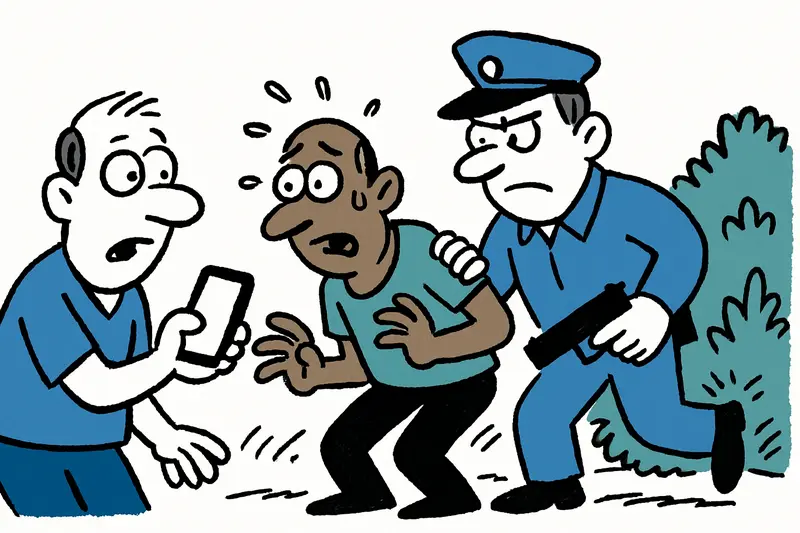
It is shortly after one a.m., the last beach loungers stand crooked in the moonlight, somewhere behind the Passeig music from the Ballermann still thumps, and the streetlights flicker tiredly. At Playa de Palma, between beach sections five and six, two German tourists become involved in a short but violent incident: A man approaches from behind, apparently attempts to snatch a gold chain, a scuffle ensues — and one of the phones disappears.
The surprising turn: location feature instead of luck
The quick reaction of the victims makes the difference. One of the two activates the location feature, provides the position to the Policia Nacional, and the search begins, a pattern seen in a phone tracking arrest in Palma. In a side street not far from the Ballermann a man is found in a bush and the missing phone recovered. According to police statements, the arrested person is a man of Senegalese origin; he is being charged with attempted robbery and theft.
The obvious gain is clear: modern technology allowed a crime to be solved quickly, the phone returned, and something worse prevented. The tourists remained physically unhurt but visibly shaken — the shock runs deep when the night ends and the voices and lights slowly fade.
Key question: What is really lacking at Playa de Palma at night?
The incident only seemingly answers one question: Yes, phones and attentive witnesses help. But the real central question is: How safe are residents and visitors really during the late hours, when the party scene and the quieter night life collide, a concern underscored by a nighttime attack on the Paseo Marítimo? The answer must not be based solely on isolated cases.
What was discussed in the cafés on the Passeig and in the bars concerns two levels: individual safety behavior (keeping valuables close, activating location services, using night buses) and the structural situation — lighting, presence of law enforcement, social tensions and whether prevention should be carried out in a more targeted way, as recent reporting on a nighttime escalation at Playa de Palma suggests.
Less illuminated aspects
First: Technology helps, but it does not replace prevention. Many tourists rely on their smartphones — until they are gone. Second: The quick mention of the suspect's origin in police reports carries the risk of intensifying social tensions. It must not lead to entire communities being stigmatized. Third: Night-time safety is not solely a police problem. Local business owners, the taxi and bus network, lighting concepts and municipal social work are part of the solution.
A quiet point that often gets overlooked: People who are on the street at night have different reasons — work, shifts, partying, homelessness. Blanket judgments do not help. Instead, there is a need for differentiated concepts that combine prevention, assistance and control.
Concrete: What could help now
The city and local actors can take short- and medium-term measures. In the short term, visible, regular foot patrols in particularly frequented areas as well as mobile information points for tourists would be useful. Better lighting in side streets and more video surveillance at critical points increase the feeling of safety.
In the medium term, there is a need for information campaigns in multiple languages about simple behaviors (location services, secure bags) and a network of hotels, bars and taxi drivers that reports suspicious situations more quickly. From a social policy perspective, it would also make sense to strengthen counseling and employment programs for migrants — because integration and prospects can counter displacement-driven crime.
A quiet appeal
The rapid police success at Playa de Palma is welcome — but it must not distract from the fact that safety is always a community project. When the cafés open in the morning, coffee scents drift through the damp air and the first trash bags are rolled over the Passeig, the question remains: How do we ensure that people here are protected at night not only by technology but by reliable structures?
The investigation into the incident is ongoing. The discussion in the community has only just begun.
Frequently asked questions
Is Playa de Palma safe at night for tourists?
What should I do if my phone or wallet is stolen in Mallorca at night?
Can police in Mallorca track a stolen phone?
What areas of Playa de Palma are busiest late at night?
How can tourists stay safer in Mallorca nightlife areas?
Do I need to worry about walking alone near Playa de Palma after midnight?
What kind of safety measures could help Playa de Palma at night?
Should I enable location services on my phone when staying in Mallorca?
Similar News
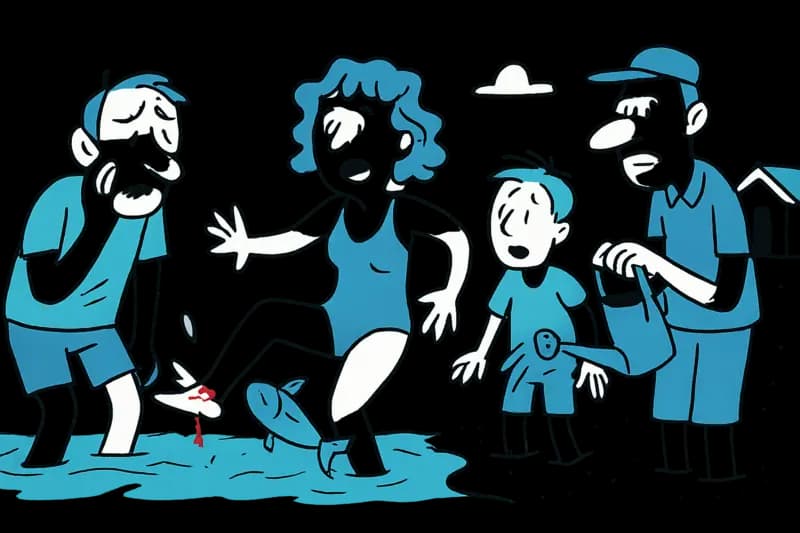
Why the Striped Breams in Cala Pí Should Be a Wake-up Call
Once again bathers in Cala Pí were surrounded while swimming by small, nippy fish — some wounds bled. Time for clear rul...
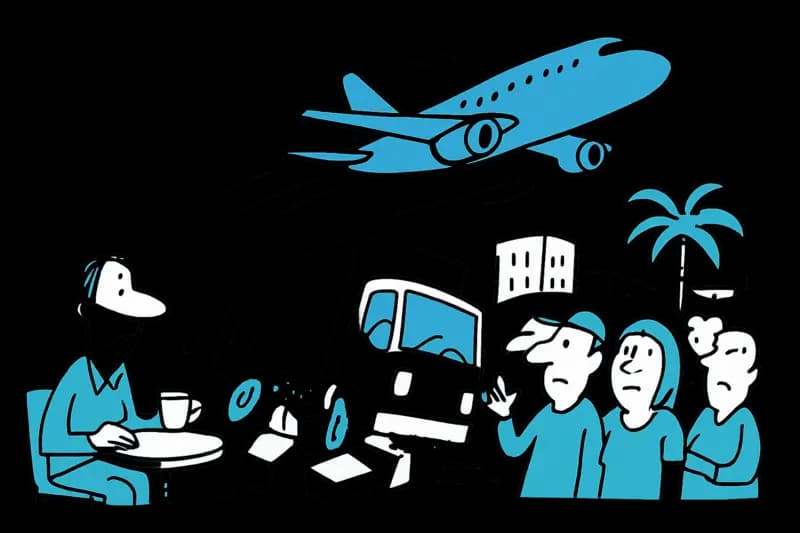
Daily from New York: How Palma's Air Traffic Is Growing — and What Must Change
United will increase the Newark–Palma service to daily flights in 2027 (Boeing, 231 seats). Strong tourist numbers clash...

When Love Ends in Shards: Destruction in Son Vida and the Questions That Remain
In Son Vida a relationship dispute escalated: a woman destroyed furniture in a luxury villa, later pressed a panic butto...
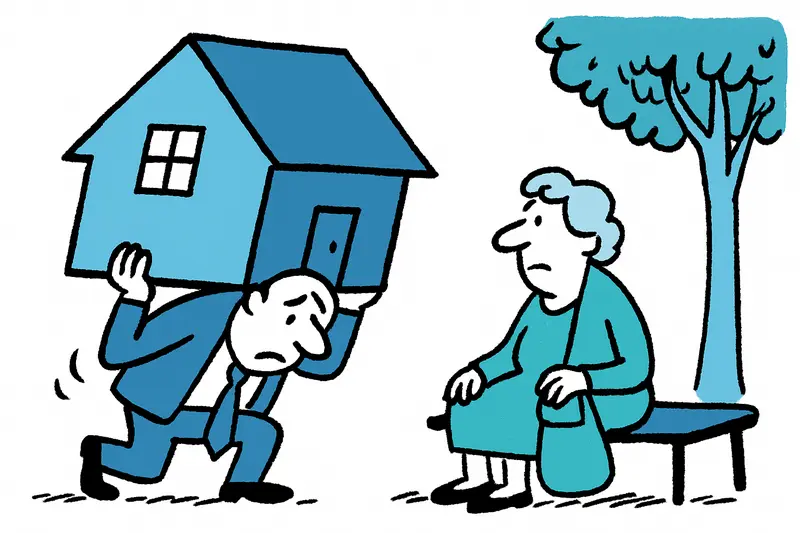
Who Bears the Burden? Mallorca Between Tenant Protection and Landlord Fears
Madrid's new housing decrees strengthen tenant rights — but on Mallorca concern is growing: will the law drive small lan...
On the Edge: What Mallorca's Airport Loses If a Major Low-Cost Carrier Falters
The company that operates numerous connections from Palma to France and domestically is negotiating with creditors to re...
More to explore
Discover more interesting content

Can Cap de Bou

Townhouse Lleo 72
