
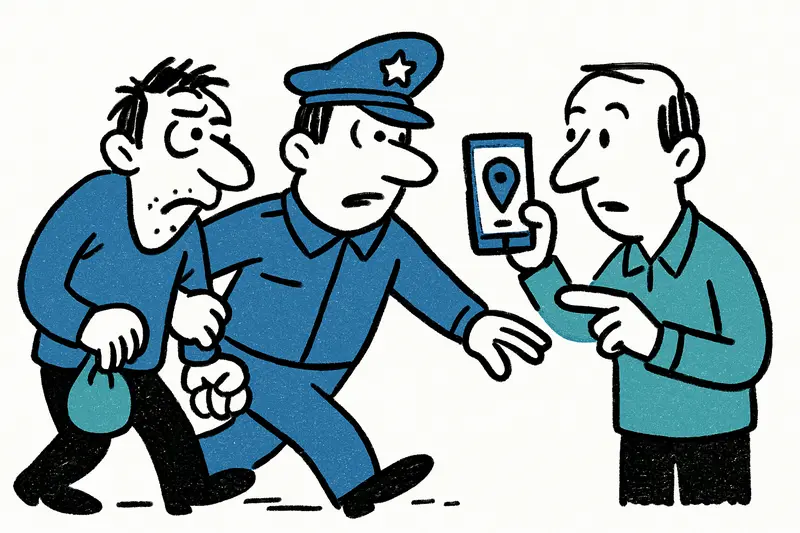
Phone Tracking Leads to Arrest in Palma – One Case, Many Questions
A smartphone signal led to an arrest in Palma's old town at the end of September. A success — but the incident raises questions: How secure are our devices, what role may citizens play, and what can the island do better?
A signal, a park, an arrest: How technology exposed a burglar
This is one of those stories people tell in Palma in the morning — between the clatter of shutters and the smell of freshly brewed coffee. In the early hours of September 21, residents at Plaza de Cort noticed unrest. It later emerged: a break-in at an old town apartment, a stolen phone, and a location signal that started working again.
From Plaza de Cort to Via de Cintura: the drive to the police
The apartment owners used the device's tracking function. The signal led to a park on Via de Cintura. Instead of pursuing the suspect themselves, they went to the nearest police station and requested assistance — a pragmatic decision that paid off. Similar outcomes have been reported in other cases, such as a nighttime assault at Playa de Palma that ended with an arrest thanks to activated phone tracking. Together with a patrol, they drove to the location and there encountered a 24-year-old man who was later accused of burglary, trespassing and assault. Officers found several clearly stolen items and a knife on him — the belongings were returned to the victims.
Why the story is more than just a tech hero tale
At first glance it seems simple: GPS on, thief caught. But the case also exposes gaps. Many smartphones quickly lose battery, thieves swap SIM cards or turn devices off. Phones can also end up far from the theft: one stolen phone was traced to Isalnita, Romania. A tracking signal is only as good as its circumstances. In addition, the question arises: How much initiative should victims take? In this case the owners accompanied the police; often, however, people feel insecure, afraid of confrontation or legal responsibility.
Legal and practical pitfalls
The risk of taking action yourself should not be underestimated. Anyone who pursues or restrains a suspect can put themselves in danger or face legal consequences. It was wise that the people involved called the police this time. Police work sometimes uncovers larger theft operations, as in arrests after a vehicle check with a trunk full of phones in Playa de Palma. Still, the takeaway remains: Many are left to their own devices when response times are long, especially in the winding alleys of the old town where the noise of mopeds and the cries of seagulls can drown out orientation.
What the public debate often overlooks
We talk a lot about surveillance and cameras — but far too seldom about prevention, education and simple technical measures anyone can use. The aspect of social security in residential areas is also often underexposed: How can neighborhood cohesion help? How do property managers and neighbors react when unusual movements are noticed in historic buildings?
Concrete proposals that could help faster than new debates about surveillance:
1. Enable location services ("Find My" / "Find My Device") and strong device passwords as a standard.
2. Note or photograph serial numbers and IMEI; inform insurers and the police.
3. Avoid confronting suspects yourself: call the police and, if possible, keep a safe distance — as in this case.
4. Provide more preventive information in multiple languages: notices in apartment buildings, guidance from landlords and at tourist information points.
5. Strengthen local initiatives: neighborhood networks, well-lit access to old town apartments, regular safety checks for older buildings.
A look ahead
The incident at Via de Cintura is a lesson: technology can expose offenders when it works — and when victims, police and neighbors cooperate. Much of what helped here was banal: a switched-on smartphone, a decisive choice to go to the police and the willingness of officers to act quickly.
At the same time, the case reminds us that more could be done in Mallorca to give residents and visitors simple security tools and behavioral rules. An information sheet in several languages, tips on securing devices at check-in, a small campaign in the La Llonja and Santa Catalina districts — such measures cost little but build trust.
In the end it is a call for common sense: enjoy the island, but protect your belongings. Photograph serial numbers, enable tracking, set passwords. And if the technology pings — call the police, stay safe and leave arrests to the professionals.
Frequently asked questions
How can a stolen phone in Mallorca be tracked safely?
What should I do if my phone is stolen in Palma?
Does phone tracking always work after a theft?
Can I follow the location of a stolen phone myself in Mallorca?
Why do police in Palma ask victims to come with them to a location signal?
What should visitors in Mallorca do to protect their phones?
Is Plaza de Cort in Palma a busy area for theft incidents?
Why is Via de Cintura mentioned in a Palma theft case?
Similar News

Near-miss on Lanzarote: Landing Ryanair Jet and Iberia Takeoff — what really went wrong
On Lanzarote there was a dangerous incident: A Ryanair flight (FR5910) from Dublin landed on runway 03 while an Iberia E...

Eurowings introduces new Premium Business seats on Mallorca routes
From December 1, selected Eurowings flights to Palma and other destinations will feature eight particularly generous sea...

Car on MA-13 near Inca in flames – a safety check for the island
A vehicle caught fire on the MA-13 towards Alcúdia on Tuesday afternoon. The driver was uninjured, the car was destroyed...

Real Estate in Mallorca: Fewer Buyers, Higher Prices — What's Behind It?
Sales on Mallorca are falling, yet prices continue to climb. Why fewer transactions do not equal relief — and what shoul...
Just Bought — Already Trouble: Water Damage in the Heiters' Villa and What Owners in Mallorca Should Know Now
A newly purchased sea-view property — and within days a water damage. What risks lurk in new properties in Mallorca, and...
More to explore
Discover more interesting content

Can Cap de Bou

Townhouse Lleo 72
