
Alcúdia Is Spain’s Most International Town—but What Does the Figure Tell Us?
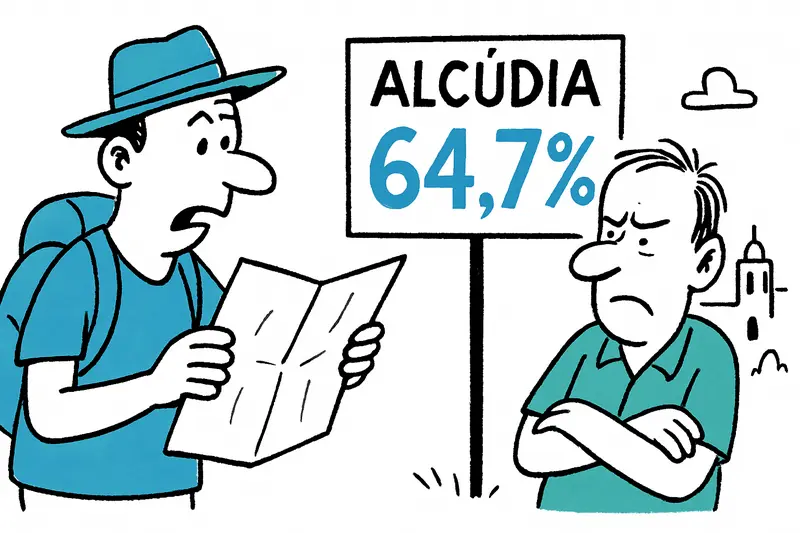
Foreign visitors accounted for 64.7 percent of those recorded in Alcúdia. The accolade is welcome, but it says little about how tourism is changing everyday life in the town.
An accolade, a big figure—and an open question
How international is a place when almost two out of every three visitors come from abroad? According to one analysis, the answer for Alcúdia is: very. The municipality in northern Mallorca received the title “Most International Town 2026.” Among the places in the association “The Most Beautiful Villages in Spain,” it had the highest share of foreign visitors.
The underlying data comes from Telefónica Tech and covers the period from October 2025 to August 2026. According to the analysis, 64.7 percent of the visitors recorded in Alcúdia came from abroad. The largest shares were visitors from Germany, at 28.6 percent, the United Kingdom, at 23.4 percent, and France, at 9.3 percent. The title is due to be officially awarded in 2027; the accolade was announced at an association meeting in Alcúdia.
Visitor share is not the same as village life
The figure sounds clear-cut. But it answers a narrowly defined question: where did the visitors included in this analysis come from? It does not tell us how many people live in Alcúdia year-round, how long visitors stay, or how tourism affects rents, traffic and jobs. The available information also does not describe the precise data collection method. That does not make the figure worthless—but it does set limits on what it can tell us.
A high share of international visitors is not, in itself, a measure of tourism quality. It tells us neither whether visitors come outside the peak season nor whether they shop in town, support local businesses or simply spend a few hours walking through the old town. These things make a difference to the municipality’s day-to-day life. A busy street can be good for a café’s business; at the same time, it can be tiring for residents, delivery drivers and workers.
On a mild morning, walking through the old town, you can hear Mallorcan and Spanish among the conversations at the counters, while tour groups pause briefly outside the city walls and hold up their phones. It is a familiar scene, not proof of a crisis. But it is a reminder that “international” is more than a figure on a ranking: it means encounters and business—and sometimes crowds on the very same streets.
What is missing from the conversation about the accolade
Public attention quickly turns to the rankings: Alcúdia in first place, Fornalutx in fourth. Fornalutx’s share of foreign visitors was 61.9 percent, according to the analysis. That is interesting, but it still does not explain what either municipality does with these visitor flows. How does visitor pressure vary by month and time of day? What effects do year-round residents feel? And how much stays with small businesses and local workers? These are the kinds of questions that should be part of celebrating a tourism statistic as a success.
The figures on visitors’ origins should not be mistaken for a description of the entire visitor population, either. Germans, Britons and French visitors are the largest groups listed; that does not mean everyone from these countries has the same habits, or that other visitor groups do not matter. A ranking sorts the data. It does not tell the whole story of a municipality.
Making more of the attention
Alcúdia can still make good use of the accolade. The municipality could regularly publish information about when visitor numbers peak and which areas experience the greatest pressure, using clear data that can be compared from one year to the next. This could be complemented by recommendations for less-visited times and places, such as markets, museums and routes away from the narrowest old-town streets. Guiding visitors, rather than simply attracting more of them, can also distribute the benefits more widely.
It would also be important to hear residents’ perspectives on traffic, the upkeep of public spaces and the services the town needs. This does not have to mean a major campaign. Sometimes well-coordinated delivery times, clear signs or better information about when particular streets are busiest can help. Small things that may go unnoticed on holiday—until they are missing.
The title shows that Alcúdia attracts visitors from many countries. It recognises the town’s appeal and can benefit local businesses. But international reach is not yet a seal of approval for well-balanced tourism. The real measure is not how many flags appear in a statistic, but whether the town remains a good place for its residents—even on an ordinary Tuesday.
Frequently asked questions
How many visitors to Alcúdia in Mallorca came from abroad?
Which countries do most foreign visitors to Alcúdia come from?
What period does Alcúdia’s international visitor ranking cover?
What does Spain’s “Most International Town 2026” title recognise in Alcúdia?
Does a high share of international visitors mean a town in Mallorca has overtourism?
Can visitor-origin data show whether tourism benefits local businesses in Mallorca?
Does Alcúdia’s foreign-visitor percentage tell you how many people live there year-round?
Can Alcúdia’s visitor figures tell us what all tourists in Mallorca are like?
Similar News

Jan Hofer and Mallorca: Who Gets to Define the Perfect Life?
When Mallorca is portrayed as the perfect place to call home, the everyday reality often remains out of sight. A reality...
Strings Among the Vines: Chamber Music in Santa Maria
On November 29, the Mallorca String Quartet performs works by Dvořák, Puccini and Beethoven at Bodega Macià Batle. A mor...

Illness on Two Condor Flights: What We Know So Far
Around 30 people were medically assessed at Frankfurt Airport after two flights from the Dominican Republic. The cause r...

Bastian Schweinsteiger Shares a Mallorca Moment from Portitxol
A photo from a terrace bar in Portitxol shows the former footballer enjoying a quiet visit to the island. Mallorca has b...
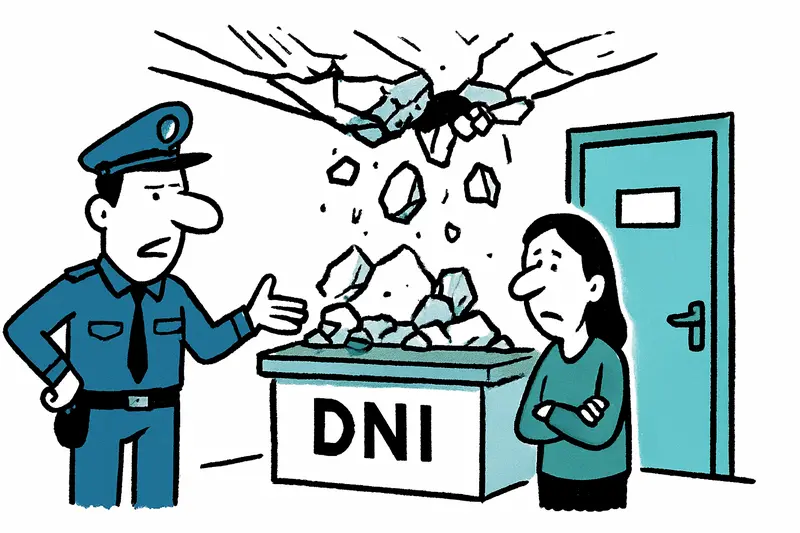
Ceiling collapses at Palma police headquarters: DNI office remains closed
After part of the suspended ceiling collapsed, the DNI office on Carrer de Ballester is temporarily closed. Important qu...
More to explore
Discover more interesting content

Can Cap de Bou

Townhouse Lleo 72
