
Illness on Two Condor Flights: What We Know So Far
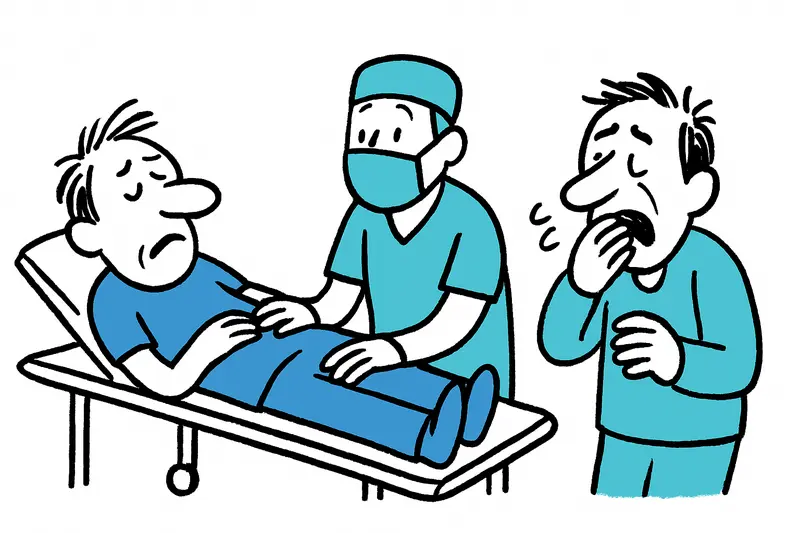
Around 30 people were medically assessed at Frankfurt Airport after two flights from the Dominican Republic. The cause remains unclear; norovirus is one possibility, not a confirmed diagnosis.
Around 30 travelers fall ill on flights to Frankfurt – cause still unclear
What is confirmed, and what remains speculation? On Sunday, November 22, two Condor aircraft from La Romana arrived in Frankfurt. According to the information available, around 600 people were on board the two planes combined. Around 30 passengers suddenly felt ill during the journey and were assessed by medical staff after landing. Two were taken to hospital. The others were able to go home after being examined.
Frankfurt had been informed of the situation while the aircraft were still in flight and was able to arrange for support to be ready. This is crucial when several people may have become ill on board: an aircraft cannot simply pull over at the roadside, and medical assistance and a coordinated assessment must be available after landing. The two planes arrived shortly after one another.
Norovirus is suspected, but has not been diagnosed
A norovirus infection is one possible explanation. However, this has not been confirmed. A link to a cruise, from which some travelers are reportedly returning, is also only speculation so far. What illness people actually had, and where it may have spread, remain unclear. Anyone drawing conclusions about the cause from the number of people who fell ill is getting ahead of the facts.
Noroviruses can spread easily and cause symptoms including vomiting and diarrhea. However, similar symptoms can have various causes. When several people fall ill in a confined space, it makes sense to consider infection-control measures; that does not automatically mean that a particular source or person is responsible. Pointing fingers prematurely at cruise passengers or other travelers would be unfair and unhelpful, especially in the case of a tour group.
The situation is unpleasant enough for those affected: a long flight, little room to move, strangers sitting close together – and then sudden symptoms. A medical assessment after arrival at least makes it possible to identify urgent cases quickly. But it cannot, by itself, establish what caused the illness. That requires reliable test results.
Why this is also attracting attention in Mallorca
The incident did not happen on a flight to Palma. Nevertheless, it has caught the island’s attention because Condor is associated with Mallorca and many travelers know the airline from their holiday trips. Anyone waiting for someone in the arrivals hall at Son Sant Joan Airport knows the routine: glances at the departures and arrivals board, suitcases rolling by, a quick message saying, “I’ll be out in a minute.” The news from Frankfurt suddenly raises a question that few people usually ask: What happens if several people on board need medical assistance at the same time?
A single cluster of illnesses does not mean that flying is generally unsafe. It does, however, show how important clear procedures are between the crew, the airport and emergency services. Passengers need more than treatment for individual cases. They also need clear information about what is known and what is still being investigated – without dramatic claims of certainty that later turn out to be wrong.
What should happen now
As soon as confirmed information becomes available, the airline should clearly update the affected travelers and the public on the investigation. Three things should be kept separate: the number of people who fell ill, the medical assessment and the still-unknown cause. A suspicion can be reported as such, but should not be presented in a headline as if it were certain.
For airports and emergency responders, a coordinated handover is essential: Who needs immediate help, who needs an examination, and who can continue traveling or go home? For passengers, the practical advice is straightforward: anyone who becomes seriously ill while traveling should inform the crew and seek medical advice after arrival. Thorough handwashing with soap and water is sensible when a gastrointestinal infection is possible; it does not replace a medical examination or establish where an infection occurred.
The most important point right now is not a suspected cause, but the gap between the symptoms and a confirmed explanation. Around 30 people were examined and two were taken to hospital; for now, it would not be responsible to claim more about the cause. In an incident like this, a measured investigation is more helpful than finding someone to blame quickly – including for Mallorca’s travelers, who would rather think about their destination than the emergency plan on their next flight.
Frequently asked questions
What happened on the two Condor flights from La Romana to Frankfurt?
Was norovirus confirmed among the passengers on the Condor flights?
Does several people falling ill on a flight prove that they had norovirus?
What should I do if I become seriously ill on a flight to Mallorca?
How do airports respond when several passengers arrive sick?
Does the Condor incident mean flying to Mallorca is unsafe?
Can I catch norovirus while travelling to Mallorca, and does handwashing help?
Could a cruise have caused the illnesses on the flights that drew attention in Mallorca?
Similar News

Bastian Schweinsteiger Shares a Mallorca Moment from Portitxol
A photo from a terrace bar in Portitxol shows the former footballer enjoying a quiet visit to the island. Mallorca has b...

Ceiling collapses at Palma police headquarters: DNI office remains closed
After part of the suspended ceiling collapsed, the DNI office on Carrer de Ballester is temporarily closed. Important qu...

When Crisis News Starts to Fade into the Background: How We Can Stay Attentive
Wars and disasters reach us minute by minute. On Mallorca, between the bus ride, work and dinner, the question is how to...

Llubí in Autumn: Village Life Is More Than a Pretty Backdrop
Llubí invites visitors to take a slower look at Mallorca’s central countryside. But anyone seeking rural tranquility sho...
Mallorca in the Wind: Why a Yellow Alert Doesn't Mean a Beach Walk
For Sunday, AEMET is forecasting strong gusts and rough seas in Mallorca. Here’s what the yellow alert means in everyday...
More to explore
Discover more interesting content

Can Cap de Bou

Townhouse Lleo 72
