
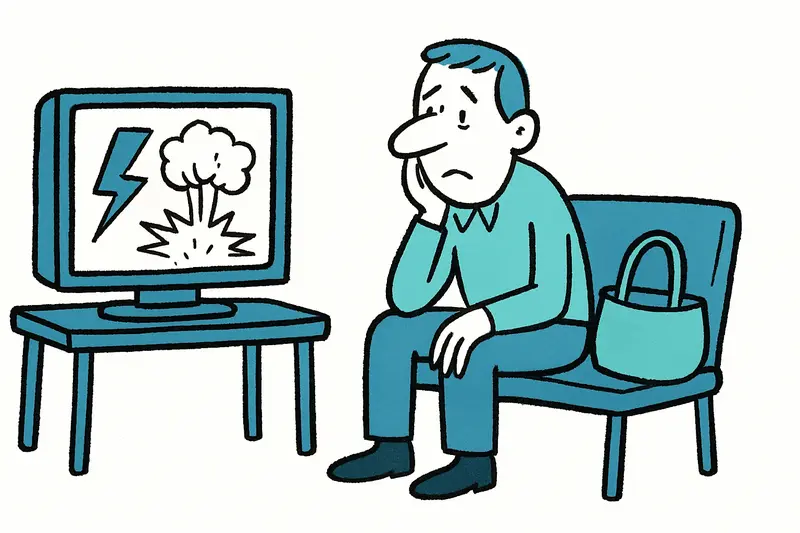
When Crisis News Starts to Fade into the Background: How We Can Stay Attentive
Wars and disasters reach us minute by minute. On Mallorca, between the bus ride, work and dinner, the question is how to keep caring without overwhelming ourselves.
When Crisis News Starts to Fade into the Background: How We Can Stay Attentive
A quick glance at your phone before the coffee is even ready. Images of a destroyed neighbourhood, a new escalation, figures that barely have time to sink in before the next report appears. Then the doorbell rings or the bus arrives. The day goes on. How can we care without the world’s suffering becoming mere background noise?
On Mallorca, this shift is especially visible—not because the island is cut off from the rest of the world, but because everyday life sets its pace so naturally. In Palma, dishes clatter on a café terrace, an EMT bus passes Plaça d’Espanya, and someone quickly types a message while waiting for the light to turn green. On the same screen are holiday photos and reports from places where people are currently fearing for their homes or their lives. This contrast is hard to bear, and no single “right” feeling can resolve it.
Distance Does Not Automatically Mean Indifference
If you react less strongly to distressing news after hearing so much of it, that does not mean you have become heartless. Attention and compassion are not inexhaustible resources. Constant exposure can be exhausting; sometimes we protect ourselves by swiping away, putting down the phone or avoiding the subject. That is human. It becomes a problem when a pause turns into a permanent refusal to look—or when we tell ourselves that only complete exhaustion proves we care about something.
This is where the line lies, and it is not always easy to draw. Someone who switches off the news is not equating their situation with that of people directly affected by war, displacement or political persecution. The risks people face are different. Even so, we can still ask ourselves what we are able to do: what is the point of engaging with something we cannot bring to an end?
The answer is that attention alone cannot end a crisis. But it is a prerequisite for keeping those affected in view, avoiding the thoughtless spread of misinformation and treating political decisions as more than a distant spectacle. This does not mean we have to follow every report to the end. Rather, it means we have a responsibility to handle what we know with care.
What Is Often Missing from Public Discussion
International crises are discussed in headlines, images and rapid reactions. Less space is given to a simple but important question: what can an ordinary person actually do, and where does their influence end? Without that distinction, it is easy to swing between helpless outrage and complete withdrawal. Both are understandable. Neither, on its own, creates a lasting connection with the people concerned.
Life on the island is not just a backdrop, either. People here have different languages, family histories and connections to countries that appear in the news. A casual remark about a group may sound very different to someone at the next table than it does to the person who makes it. Not every conversation has to become a political debate. But we should notice when talk about governments turns into sweeping judgments about people.
There is also too little permission to do both at once: stay informed and carry on with an ordinary life in between. Having dinner with friends is not a betrayal of people who are suffering. Laughter on the Paseo Marítimo will not fix anything, but denying ourselves every moment of joy does not make us more useful. Guilt is no substitute for help.
Small Steps That Do Not Promise to Save the World
One practical approach is to set aside a fixed, limited time for the news instead of checking constantly. When getting informed, try to consult several reliable sources and avoid sharing every disturbing image. Before you share something, take a moment to ask: Are its source and context clear? Does this post offer anything useful, or does it mainly spread fear and anger?
If you want to help, consider established aid organisations whose work and donation channels are transparent. If you are not in a position to do that right now, you can start close to home: listen to someone affected, speak up when discriminatory language goes unchallenged, ask local initiatives how you can help, or take part in democratic discussions and decisions. These actions are no substitute for political solutions, and they certainly do not guarantee that things will improve immediately. But they keep the door open to playing a part rather than closing it with a shrug.
And if the news becomes too much, take a deliberate break—not a secret one born of shame. You can return afterwards with a clearer head and a more focused sense of what you really want to know or do. Compassion does not have to be loud or constantly proven. It also shows in how carefully we listen and whether we refuse to reduce people to the crisis they are experiencing.
Stay Attentive Without Wearing Yourself Down
So the key question is not whether we can feel everything. We cannot. It is whether, despite our limited energy, we can stay connected to reality: informed enough not to look away, critical enough not to pass on every alarm, and close enough to our own communities to act with humanity.
On an island where everyday life is quickly taken over again by shopping, work and the next bus, looking away can sometimes feel easy. But overwhelming ourselves is no better solution. The better approach lies somewhere in between: allow yourself to pause, without declaring other people’s suffering a closed matter.
Frequently asked questions
How can I stay informed about world crises without feeling overwhelmed in Mallorca?
Is it normal to feel less affected by bad news after seeing it constantly?
How can I check whether a crisis post is reliable before sharing it in Mallorca?
How can I help people affected by an international crisis if I live on Mallorca?
Is it selfish to enjoy everyday life in Mallorca while people elsewhere are suffering?
When should I take a break from crisis news?
How can people in Mallorca discuss international conflicts without stereotyping others?
Can ordinary people in Mallorca influence how international crises are handled?
Similar News
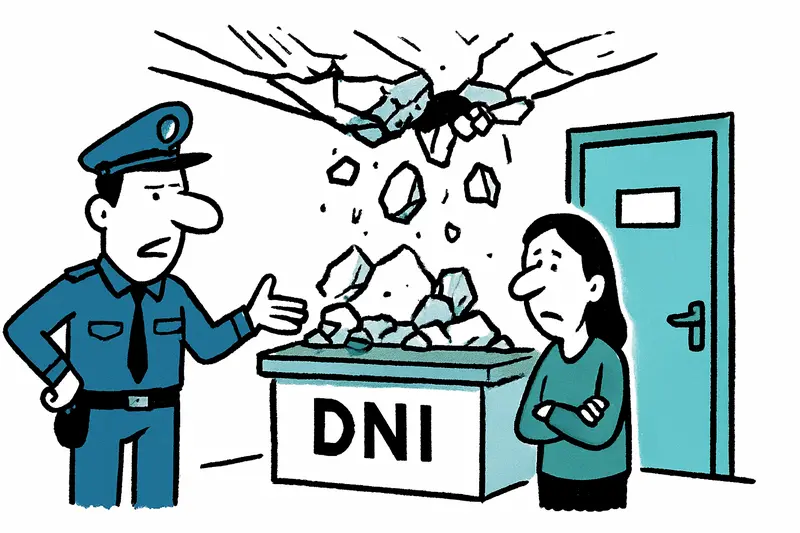
Ceiling collapses at Palma police headquarters: DNI office remains closed
After part of the suspended ceiling collapsed, the DNI office on Carrer de Ballester is temporarily closed. Important qu...
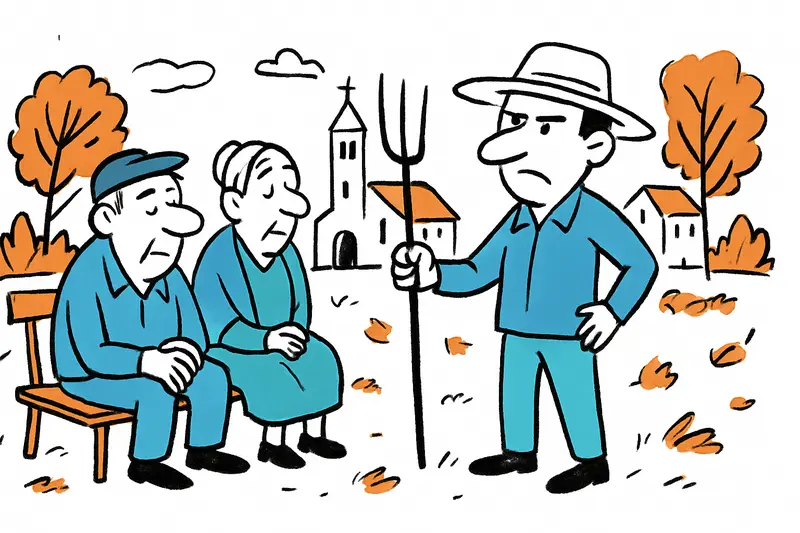
Llubí in Autumn: Village Life Is More Than a Pretty Backdrop
Llubí invites visitors to take a slower look at Mallorca’s central countryside. But anyone seeking rural tranquility sho...
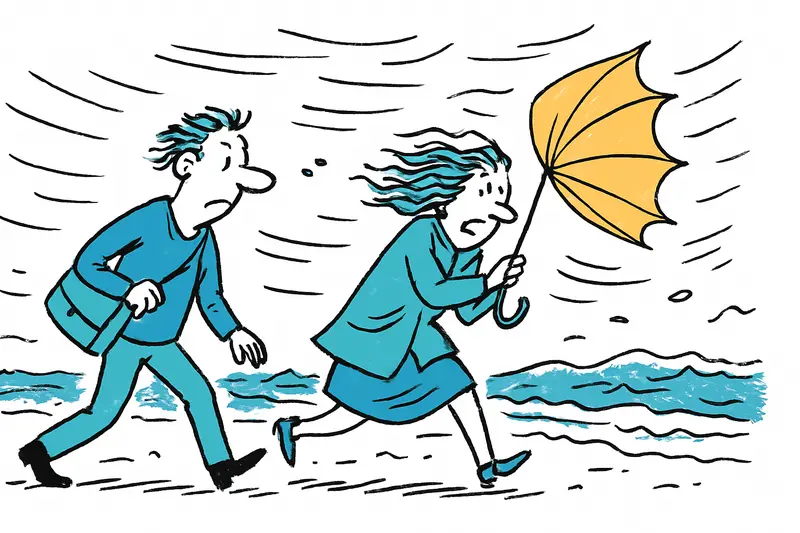
Mallorca in the Wind: Why a Yellow Alert Doesn't Mean a Beach Walk
For Sunday, AEMET is forecasting strong gusts and rough seas in Mallorca. Here’s what the yellow alert means in everyday...
Serious Crash Near Santa Maria: What We Still Don’t Know About the Road to Muro
Three 19-year-olds crashed on the road between Santa Maria and Muro early Sunday morning. Two were seriously injured. Th...
Carrer Apuntadors: When Social Hardship Becomes a Neighborhood Conflict
An arson attack on a shelter in Palma’s old town was more than an isolated act: it raises the question of when legitimat...
More to explore
Discover more interesting content

Can Cap de Bou

Townhouse Lleo 72
