
Armengol steps aside: Why the Balearic Islands now need more than a new name
Armengol steps aside: Why the Balearic Islands now need more than a new name
Francina Armengol will not run as the Socialists' lead candidate in the regional elections. An analysis: What does her withdrawal mean for the PSIB, which gaps remain and what steps are now necessary for the left to reconnect in the Balearic Islands?
Armengol steps aside: Why the Balearic Islands now need more than a new name
Key question: Can the PSIB formulate a credible offer for the Balearic Islands without Francina Armengol — or is her withdrawal merely the convenient response to poor polling?
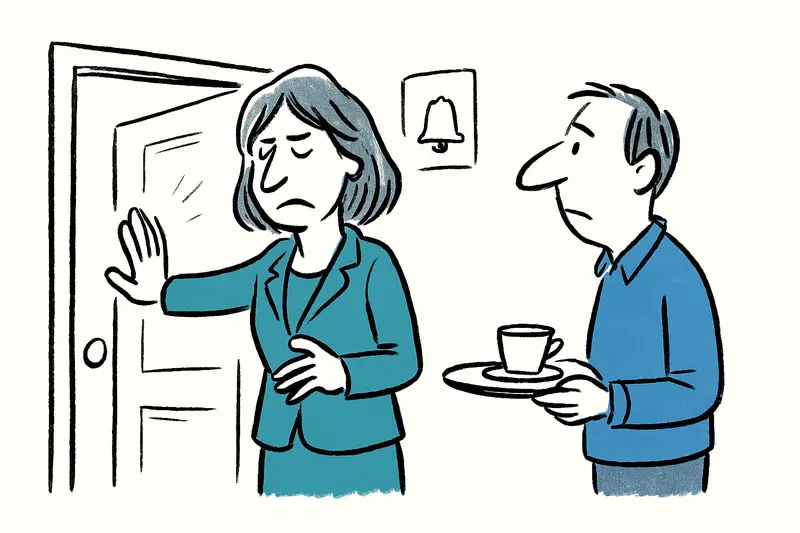
The news came on a hot afternoon in Palma: the woman who shaped left-wing politics on the islands for years announced she will no longer stand as lead candidate in the upcoming regional elections. Francina Armengol wants to focus on her duties in Madrid and will run again for the national Congress, but for now remains the party's secretary-general. For some, this marks the end of a chapter; for others it may be a tactical move.
Political facts, short and clear: Armengol was head of the Balearic government between 2015 and 2023. She was born in 1971 in Inca, studied pharmacy in Barcelona, worked in the family pharmacy and entered political life at the end of the 1990s. She was president of the Consell de Mallorca, led a left-wing government coalition and steered the islands through the COVID crisis. After the 2023 defeat she moved to Madrid — there she was proposed as president of the Congress. Now she leaves the race for the Balearic leadership to others; the tourism secretary, Rosario Sánchez, is mentioned as a possible successor.
Why this is more than just a personnel decision becomes clear when you look at the numbers: in polls PSIB, Més and Podemos together would currently gain significantly fewer seats than the alliance of PP and Vox — roughly 22 versus 37 seats in the parliament. This is not a cosmetic problem; it is a structural weakening that raises deeper questions.
Critical analysis
The departure of a leading figure is both a risk and an opportunity. The quick, simple view says: minus a well-known personality, minus votes. That is true, but it is not the whole truth. Armengol's style was intertwined with the image of an experienced administrator: crisis management, negotiations with Madrid, pragmatic compromises. Such politics often no longer suffice in times when voters expect concrete answers on rising rents, overcrowding in tourist areas and transparency in public procurement.
Added to this: public debates in Mallorca revolve too much around personal rivalries and too little around viable political alternatives. Incidents like the controversial Vox election poster have amplified this. Armengol represents a decade in which the left governed, made mistakes and managed crises. But personal lapses — like visiting a restaurant during strict COVID rules or criticism over mask purchases — have damaged trust. That alone does not explain the polls, but it mobilized voters — often away from traditional blocs toward simpler, clearer answers on the right.
What is missing from the public discourse
There is a lack of open discussion about three things: first, concrete, affordable strategies against the housing shortage for locals (Balearic Islands in the Price Squeeze: Who Can Still Afford Mallorca?); second, an honest assessment of the pandemic and procurement mistakes with clear, traceable lessons; third, a credible plan to manage mass tourism that protects jobs while curbing overload. Parties rarely address these issues with the necessary depth — instead, personnel debates and finger-pointing dominate.
A scene from Palma: on the Passeig del Born, older women sit outside a café that afternoon, talking about rising prices and the noise on their street. A young waiter carries a tray past them, church bells strike six. It is a reminder of the reliance on foreign workers (Colorful Job Market: How Foreign Workers Support the Balearic Islands — and What Is Still Missing). This mix of everyday life and real problems is what voters ultimately punish when politics only reacts to polls.
Concrete approaches
- Internal renewal at speed: No months-long directional disputes. Clear primary scenarios in which new profiles can emerge, but binding program work is put on the table.
- Policy instead of personas: Rather than relying on names alone, PSIB must present binding project plans — for example a concrete timetable for socially acceptable housing, a regional procurement register with public access and binding rules for official travel and contacts of officeholders.
- Clarify alliance questions: If a red-red-green majority is the objective, coalition lines should be clarified early — what is negotiable and what is not. That builds trust among voters who dislike surprises in government work.
- Communication and transparency: A regular, comprehensible report on past procurements and decisions would reduce distrust. Admitting mistakes and showing how they will be prevented in future works better than defensive postures.
Punchy conclusion
Armengol's withdrawal is more than a personnel change: it is a wake-up call. PSIB can use the moment to deliver real substantive renewal — or it can lose time in internal power struggles while opposition alliances expand their advantage. On the streets of Palma today you hear not only the church bells but also the quiet question many people are asking: Who will offer me a home tomorrow, a quiet street and transparent politics? Answers to that question will decide whether a new name on the ballot is enough — or whether the left needs a new narrative.
Frequently asked questions
Why did Francina Armengol step aside as Balearic regional leader, and what could that mean for Mallorca politics?
What are the main policy gaps voters see in Mallorca's public discourse, especially housing, pandemics, and tourism?
How could internal renewal and clear programs help PSIB regain voter trust in Mallorca?
What concrete policy steps are suggested to tackle housing and tourism in Mallorca?
How is Armengol's leadership style viewed in the context of current Mallorca concerns like rents and overcrowding?
Why is transparency in public procurement important for Mallorca and what could improve it?
Who might succeed Armengol within PSIB, and how would that affect the balance in Mallorca politics?
What do voters want most from politics in Mallorca beyond names and debates?
Similar News
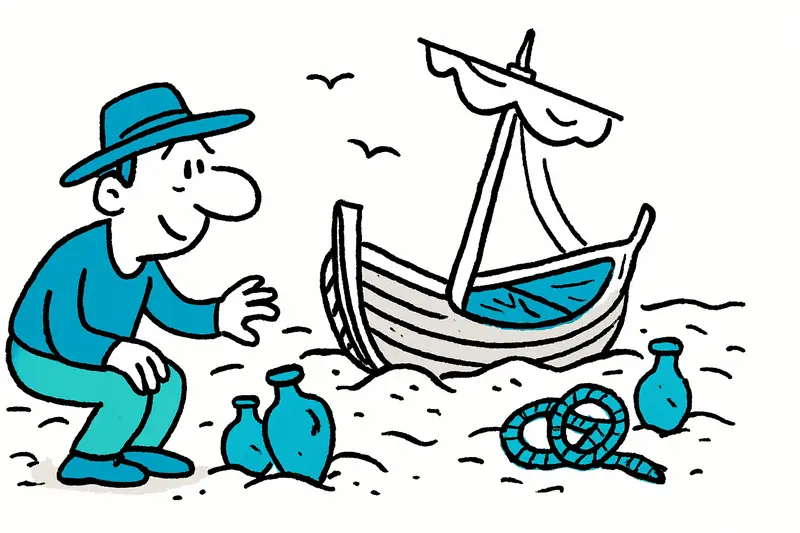
Raised from the Sand: A Late Antique Merchant Ship Tells of the Sea off Can Pastilla
A 1,700-year-old Roman merchant ship was raised off Can Pastilla. Finds such as sail fragments and amphorae provide rare...
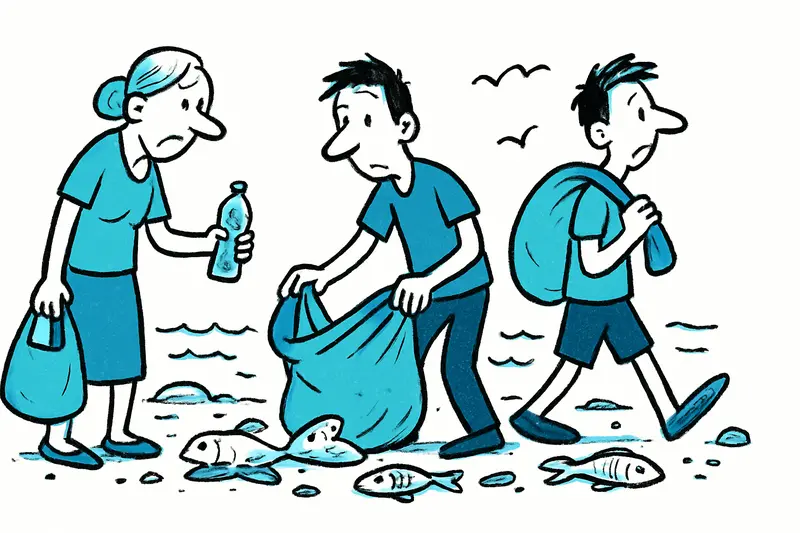
After the Storm: Why Many Fish Died at Riuet de s'Illot — and What's Still Missing
After the severe storm, numerous dead fish were found in the Riuet de s'Illot wetland. Who is affected, why it may have ...
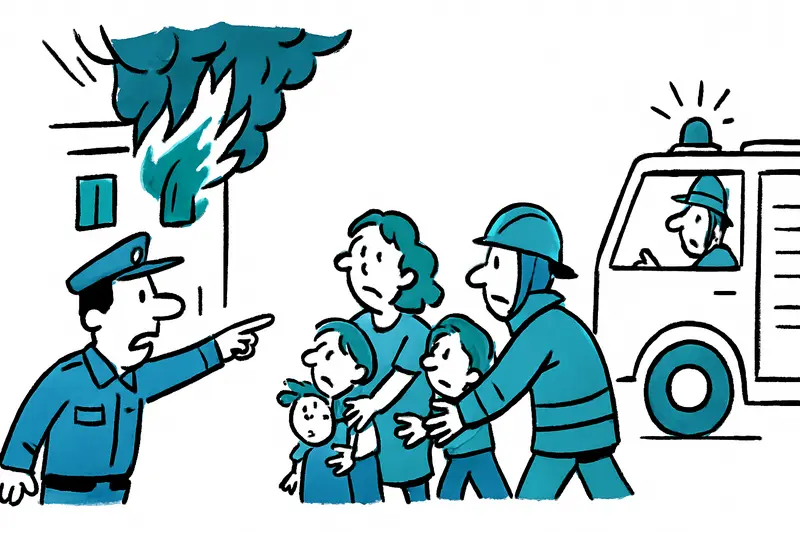
Fire in Can Picafort: Family Rescued at the Last Minute – a Safety Check for the Promenade
A fire in a sports shop on the Can Picafort seafront forced the evacuation of a mother with four children. How safe are ...

Nine-year-old rescued after cliff fall at Cala Murada — How safe are Mallorca's coastal paths?
A boy fell roughly five meters down the rocks near Cala Murada. The dusk rescue was elaborate; a helper also had to be r...

How safe are tourists in the luxury marinas? After arrests: a reality check
The Guardia Civil arrested two men in Calvià who are suspected of stealing luxury watches in Port d'Andratx and Puerto P...
More to explore
Discover more interesting content

Boat Tour with BBQ along Es Trenc Beach

Private transfer from Mallorca Airport (PMI) to Pollensa
